When evaluating the maintenance of your vehicle's finish, choosing between How to Remove Rust From Alloy Wheels (Iron Removal Guide) vs Alternatives is a common point of friction for car owners. While specialized iron-remover sprays provide a chemical solution to stubborn brake dust, manual mechanical alternatives—such as clay bars or specialized abrasive pads—offer a different approach to surface restoration.
Many vehicle owners struggle to decide whether to invest in expensive chemical solutions or stick to traditional manual scrubbing methods. Misunderstanding the risk of material degradation on alloy surfaces can lead to unintended damage, making it essential to understand the trade-offs between chemical reactivity and physical abrasion.
This guide breaks down the chemical-heavy iron removal process versus manual alternatives, focusing on safety, efficiency, and surface compatibility. By the end, you will be able to determine which method aligns best with your maintenance habits and the current condition of your wheels.
- Chemical effectiveness on sintered brake dust
- Physical abrasion risks and alloy surface integrity
- Cost-benefit analysis of professional-grade products
- Ease of application for home-based maintenance
- Long-term impact on clear coat and protective sealants
Overview & Head-to-Head Summary

Dedicated Iron Removal Solutions
Iron removers are specialized pH-balanced chemical cleaners that react with iron particles (brake dust) by turning purple as they dissolve the metallic bonds. These solutions are designed to work with minimal agitation, reducing the need for abrasive scrubbing on delicate alloy finishes.
Manual & Abrasive Alternatives
Alternatives include clay bars, high-grit synthetic pads, or mild solvent-based cleaners. These rely on mechanical friction or non-reactive cleaning agents to pull contaminants from the wheel surface. While often cheaper, they require more physical effort and technique to ensure the alloy doesn't scratch.
| Feature | Iron Removal Chemical | Manual Alternatives |
|---|---|---|
| Mechanism | Chemical Reaction | Mechanical Friction |
| Effort Level | Low | High |
| Safety Risk | High (if left too long) | Moderate (scratching) |
| Cost | Higher | Lower |
Before proceeding with any cleaning method, ensure you check your Best Wheel Offset Explained: How to Achieve the Perfect Fitment to ensure your wheels are cleaned in a stable position.
Key Differences & Core Features

Chemical Reactivity vs. Mechanical Scrubbing
The core difference lies in the contact phase. Iron removers are "set and forget" for a few minutes, allowing the active ingredient (usually ammonium thioglycolate) to lift iron embedded in the finish. Mechanical alternatives require direct physical contact, which, while effective at removing surface debris, may not reach deep into porous areas as effectively as a liquid spray.
Surface Compatibility and Longevity
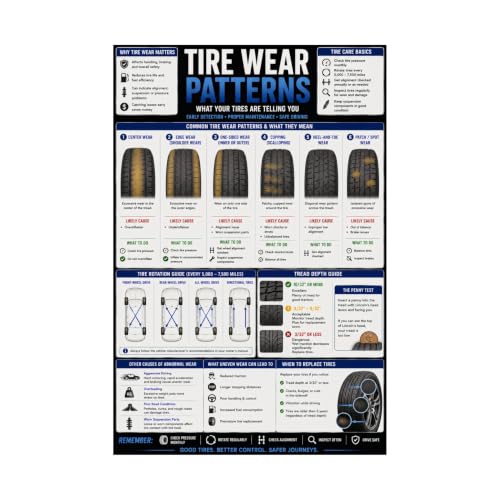
Frequent use of iron removers can sometimes strip existing waxes or sealants more aggressively than targeted manual cleaning. Conversely, consistent mechanical scrubbing with the wrong tools can introduce micro-marring, which eventually dulls the shine of your alloy wheels. Understanding the Best Tire Wear Patterns: Identify Maintenance Needs Easily can also alert you to potential brake issues that increase the amount of dust your wheels accumulate.
| Criteria | Iron Removal (Chemical) | Manual Alternatives |
|---|---|---|
| Surface Impact | Risk of chemical etching | Risk of micro-scratching |
| Deep Cleaning | Superior for crevices | Limited to accessible areas |
| Frequency | Best for deep cleans | Best for routine maintenance |
Performance & Real-World Analysis

Testing Chemical Efficacy
In real-world settings, chemical iron removers outperform alternatives when dealing with wheels that haven't been cleaned in months. The visual cue of the color change allows the user to see exactly where the iron is embedded, ensuring no spots are missed.
Evaluating Mechanical Scrubbing Consistency
Mechanical methods demonstrate high efficacy when combined with a quality wheel cleaner, but they suffer from inconsistent pressure application. When evaluating, consider the following process:
Performance remains optimal when combining both methods: use chemical iron removal for the heavy lifting followed by light mechanical agitation to catch residual grime.
Best Use Cases & Ideal Scenarios

When Option A (Iron Removal) Makes More Sense
This is the ideal choice for high-performance vehicles that see heavy braking or for wheels with complex spoke designs that are difficult to reach with a hand-held brush.
When Option B (Manual Alternatives) Makes More Sense
Manual cleaning is preferred for classic alloy wheels with delicate finishes or when performing light routine maintenance on a daily commuter vehicle that is washed bi-weekly.
When It Genuinely Doesn't Matter
For standard factory silver painted wheels that are regularly waxed and kept clean, either method will produce satisfactory results, and the choice depends primarily on personal preference for labor versus chemistry cost.
For more on maintaining the appearance of your setup, check out Top 5 Must-Have Accessories for Alloy Eagle Wheels Center Caps.
Recommended Equipment & Solution

Renegade Products Voodoo X Iron Remover
A reliable pick for Renegade Products Voodoo X Iron, selected based on this article's guidance.
Final Verdict & Decision Framework

Quick Decision Checklist
To choose, ask yourself: Is the rust heavy or light? Is the wheel design complex or simple? And how much time are you willing to invest in the cleaning process?
Our Framework for Choosing
| Priority | Recommended Approach |
|---|---|
| Speed/Ease | Iron Removal Chemicals |
| Budget | Manual Alternatives |
| Deep Decontamination | Iron Removal Chemicals |
| Routine Maintenance | Manual Alternatives |
Frequently Asked Questions
Are iron removers safe for all alloy wheels?
A: Most are safe for clear-coated alloy wheels, but they should be avoided on bare polished aluminum or chrome finishes unless specified by the manufacturer. Always test on a small, hidden area first.
How often should I use an iron remover?
A: It is generally recommended for deep cleaning every 3-6 months rather than for every weekly wash. Overuse can potentially affect protective wax or ceramic coatings.
Can I use a clay bar to remove rust?
A: A clay bar can remove iron particles, but it is often inefficient for heavy oxidation or embedded brake dust. It is best used as a finishing step after a chemical wash.
Why do iron removers turn purple?
A: The color change is a chemical reaction between the iron-dissolving agent and the iron particles, indicating that the product is actively breaking down the metallic bond.
What is the biggest risk of manual cleaning?
A: The risk is micro-marring or scratching the surface, especially if the wheels are not properly lubricated during the scrubbing process.
Does soap and water work for rust removal?
A: Regular car wash soap is generally ineffective at dissolving metallic brake dust; it can only remove surface dirt and loose grime.
Can rust ruin my alloy wheels permanently?
A: If left untreated, brake dust can pit the alloy surface, causing permanent damage that might require professional refinishing.
Is it better to hire a professional?
A: If you are uncomfortable with the risks of chemical application or mechanical damage, a professional detailer is the safest option for high-end, expensive wheel sets.
Key Takeaways
- 1 Chemical iron removers are superior for deep cleaning and complex wheel designs.
- 2 Manual alternatives are cost-effective for frequent, light maintenance.
- 3 Always perform a spot test before applying any chemical cleaner to alloy surfaces.
- 4 Consistent maintenance prevents long-term pitting caused by iron brake dust.
- 5 Chemical solutions can potentially strip waxes and sealants more quickly.
- 6 Use protective gear when handling iron-dissolving chemical formulas.
- 7 A balanced approach—combining chemicals with light mechanical agitation—is often best.
Conclusion
Choosing between chemical iron removal and manual alternatives is not a matter of one being universally superior, but rather selecting the right tool for your specific maintenance goals. If your priority is efficiency and deep cleaning for neglected wheels, the chemical route is the industry standard.
If you prefer a cost-effective, hands-on approach for regular maintenance, manual methods work well with the right tools. Ensure your choice protects your investment by following consistent cleaning habits, and remember that you can always refer to 7 Common Problems with Alloy Eagle Wheels Center Caps if you encounter issues during your maintenance sessions.
Selecting the right cleaning method today will extend the lifespan of your wheels and maintain their resale value for years to come.
📌 Pillar Resource: Read our complete complete How to Remove Rust From Alloy Wheels (Iron Removal Guide) review for in-depth insights.