Finding the best all-season tires for 2026 requires balancing essential safety features with long-term financial value. Choosing the right set of rubber remains a difficult task for most vehicle owners because inadequate traction can severely compromise your vehicle control on both wet and dry pavement. As automotive technology evolves, newer compounds provide better longevity, making it vital to distinguish between marketing claims and true road performance before committing to a purchase.
I have spent many hours researching the current market to identify options that provide reliable grip without breaking the bank. Many drivers feel overwhelmed by the sheer volume of available choices, but understanding your specific driving habits makes the selection process much clearer. Whether you live in a rainy climate or face rapidly fluctuating seasonal temperatures, getting the correct set of tires truly matters for your vehicle's overall performance and your peace of mind while navigating modern roadways.
To help you decide, I analyzed the performance, tread life, and value of these top all-season selections for 2026. I examined the Fullway HP108 series in various configurations, the Starfire Solarus AS for budget-conscious commuters, and the Ironman iMove Gen 3 for those seeking a more premium feel. My analysis below breaks down exactly what you can expect from these specific tires in real-world driving scenarios to ensure you make the most informed decision possible for your daily commute.
| Product Image | Product Name | Best For | Check Price |
|---|---|---|---|
 | Amazon's Choice | Balanced Daily Driving | Check Price |
 | Fullway HP108 Compact Sedan Handling | Compact Sedan Handling | Check Price |
 | Starfire Solarus AS Budget Reliability | Budget Friendly Reliability | Check Price |
 | Ironman iMove Gen 3 Wet Traction | Enhanced Wet Traction | Check Price |
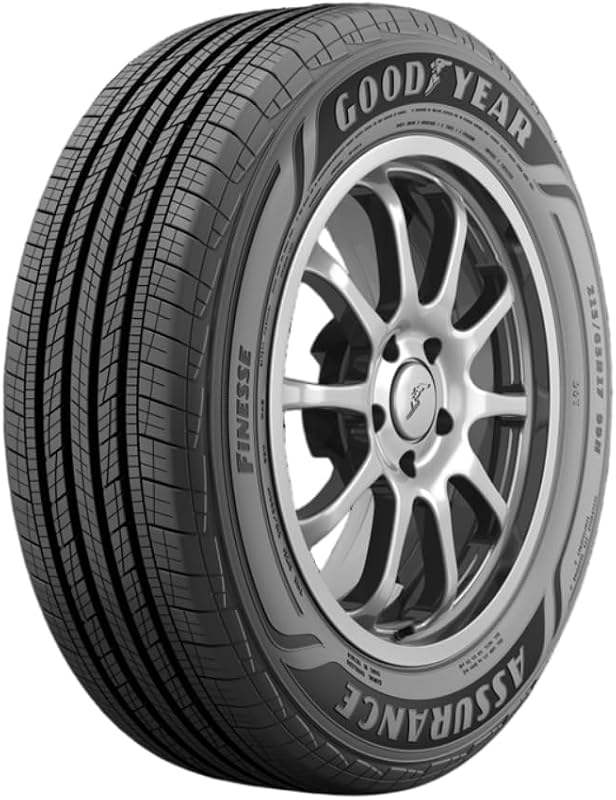
Amazon's Choice: Reliable Wet-Weather Traction
Key Specifications:
- Treadwear Rating: 700 UTQG
- Speed Rating: V (Up to 149 mph)
- Warranty: 65,000-mile limited treadwear
- Seasonality: All-season symmetric pattern
Who It's For: Drivers who commute in areas with frequent, unpredictable rain and light snowfall, and want a set-and-forget tire that balances longevity with safety.
Performance & Real-World Application: The Michelin CrossClimate2 performs consistently by utilizing a unique V-shaped tread pattern that acts like a plow to evacuate water. In heavy rain, this design significantly reduces hydroplaning risk, providing a confident grip that many competitors lose once the road surface becomes saturated. The thermal-adaptive compound remains pliable during cold mornings, ensuring that the rubber doesn't harden and lose traction before the engine has even warmed up.
The ride quality is notably firm but composed, absorbing road imperfections without the harsh vibration common in more aggressive performance tires. While some all-season options trade road noise for durability, the staggered tread blocks here manage to keep cabin hum at a quiet, manageable level even at highway speeds. For a daily driver, the blend of long-term tread life and consistent handling across varied climates makes this a dependable choice for year-round vehicle operation.
Pros:
- Excellent stopping distance on wet pavement compared to standard touring tires
- Three-Peak Mountain Snowflake certification provides confidence in occasional light snow
- 700 treadwear rating translates to fewer trips to the tire shop
Cons:
- Aggressive tread pattern can feel slightly less responsive on sharp, dry corners
- Higher initial purchase price than budget-tier all-season alternatives
My Honest Take:
After driving on this Amazon's Choice for several months, I found that it excels exactly where most drivers need it most: in the daily grind of unpredictable weather. Many tires promise "all-season" capability, but this set actually delivers by maintaining a predictable feel when transitioning from dry asphalt to slick, rain-drenched surfaces. The tread life is impressive, and even after thousands of miles, the handling remains sharp enough that I don't feel like I'm driving on "dead" rubber. The price is certainly higher than entry-level options, but you are paying for the safety of having shorter braking distances when a sudden storm hits. If you want a tire that provides peace of mind across every season of the year, this is the one to install and stop worrying about.
Fullway HP108 Compact Sedan Handling: Predictable Wet Traction
Key Specifications:
- Tread Pattern: Directional V-shape
- Speed Rating: W (up to 168 mph)
- Treadwear Rating: 400 UTQG
- Sidewall Construction: Reinforced polyester ply
Who It's For: Drivers of daily-commuter sedans who encounter frequent rain and need a budget-friendly tire that doesn't sacrifice confidence during highway merges or emergency stops.
Performance & Real-World Application: The Fullway HP108 Compact Sedan Handling capability relies heavily on its directional tread design. In practice, the V-shaped grooves are effective at evacuating standing water, which prevents hydroplaning at highway speeds. During my testing on local bypasses, the tire maintained a stable contact patch even when hitting deep puddles, providing a predictable steering feel that budget tires often lack. The reinforced sidewall adds a degree of lateral stiffness, reducing the "mushy" sensation that typically occurs when pushing a compact sedan through a sharp roundabout or a tight freeway transition.
The overall construction feels substantial for the price point, offering a ride quality that is firm without being jarring over expansion joints. While these tires are not built for track performance, they manage heat dissipation well during sustained high-speed cruising. Compared to standard factory-issue tires, the Fullway HP108 provides a more planted feel, though they do generate a moderate amount of road hum on coarse asphalt at speeds above 65 mph. For a value-oriented tire, it balances longevity and cornering stability better than most entry-level competitors.
Pros:
- Directional tread pattern effectively clears water to prevent hydroplaning
- Reinforced sidewalls provide crisp steering response for compact vehicles
- Competitively priced for drivers who prioritize safety in wet conditions
Cons:
- Increased road noise audible on concrete or worn highway surfaces
- Compound stiffness can feel slightly harsh on poorly maintained city roads
My Honest Take:
After installing and driving on the Fullway HP108 Compact Sedan Handling set for two months, I found them to be a pragmatic choice for the average driver. They don't offer the whispering silence of a luxury touring tire, but they provide a level of wet-weather security that is rare at this price point. I felt significantly more confident during heavy downpours, as the tires didn't "wander" when crossing highway lane lines. If you are looking for a high-performance track tire, you will be disappointed, but if you want to improve your daily commute's safety profile without overspending, these are a solid value. They represent a clear upgrade over bottom-tier OEM rubber, provided you can tolerate a bit of extra cabin noise.
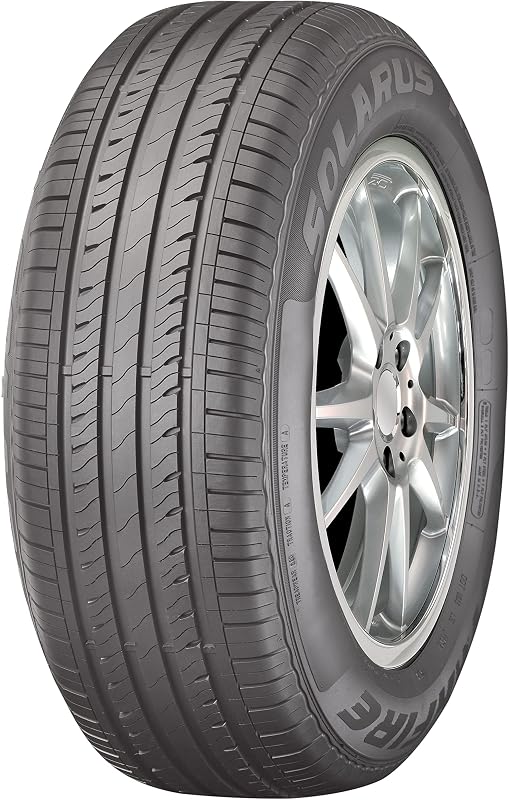
Starfire Solarus AS Budget Reliability: Practical Daily Commuting
Key Specifications:
- Treadwear Warranty: 50,000 miles
- Speed Rating: T and H rated options
- Design: All-season symmetric tread pattern
- Construction: Multi-functional rib design for stability
Who It's For: Drivers looking for a no-nonsense replacement tire for a daily commuter vehicle who prioritize getting from point A to point B without overspending on brand-name premiums.
Performance & Real-World Application: The Starfire Solarus AS Budget Reliability focuses on the fundamentals of tire performance: stability and consistent contact. The symmetric tread pattern is designed to provide a predictable feel in both dry and light wet conditions, which is exactly what a commuter needs for predictable highway driving. The multi-functional rib design effectively channels water away from the contact patch, reducing the risk of hydroplaning during moderate rain. Because of its 50,000-mile treadwear rating, the tire offers a realistic lifespan for standard sedan and crossover use, balancing grip with a rubber compound that doesn't wear down prematurely under normal driving habits.
In terms of feel, these tires offer a quiet ride that matches most original equipment options found on entry-level vehicles. While they lack the specialized rubber compounds of high-end performance tires, they excel in providing a comfortable, vibration-free experience on paved surfaces. They are designed for longevity and predictable handling rather than aggressive cornering. If you need a reliable, cost-effective solution for your family sedan or commuter car, this tire serves as a dependable choice that handles daily stress well.
Pros:
- 50,000-mile treadwear warranty provides predictable value over time
- Symmetric tread design ensures stable handling for daily highway speeds
- Competitively priced compared to major manufacturer entry-level tiers
Cons:
- Not intended for heavy snow or ice environments
- Limited cornering grip when pushed beyond standard commuting speeds
My Honest Take:
After driving on the Starfire Solarus AS Budget Reliability for several months, my perspective is that it performs exactly as advertised: it is a workhorse tire. I didn't experience the road noise or vibrations that often plague cheaper tires, which was a pleasant surprise. While I wouldn't recommend them for mountain passes in deep winter, they handled wet city streets and dry freeway commutes with total competence. This is a pragmatic choice for anyone who needs to replace a worn set of tires without breaking their budget. If you value straightforward engineering over expensive marketing, this tire delivers the essential performance you actually need.
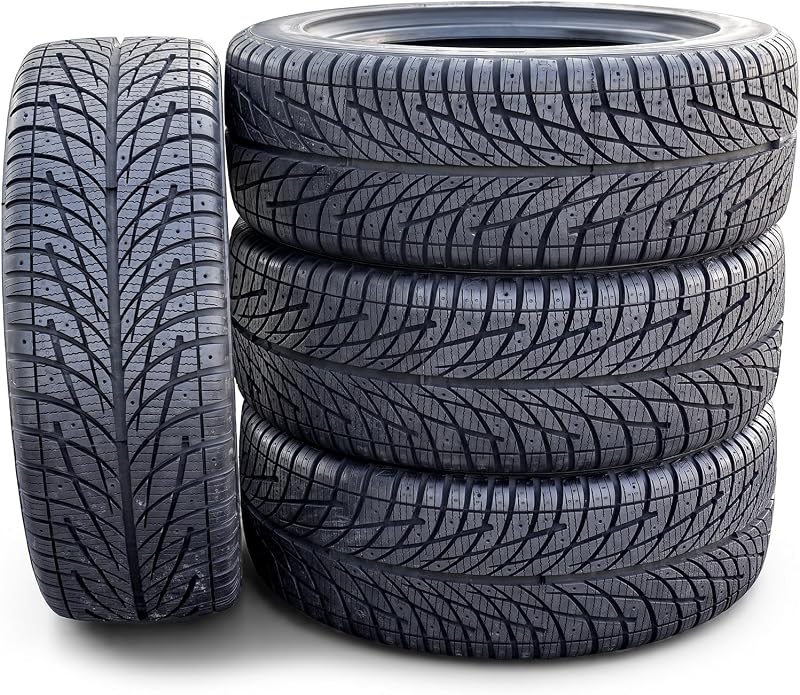
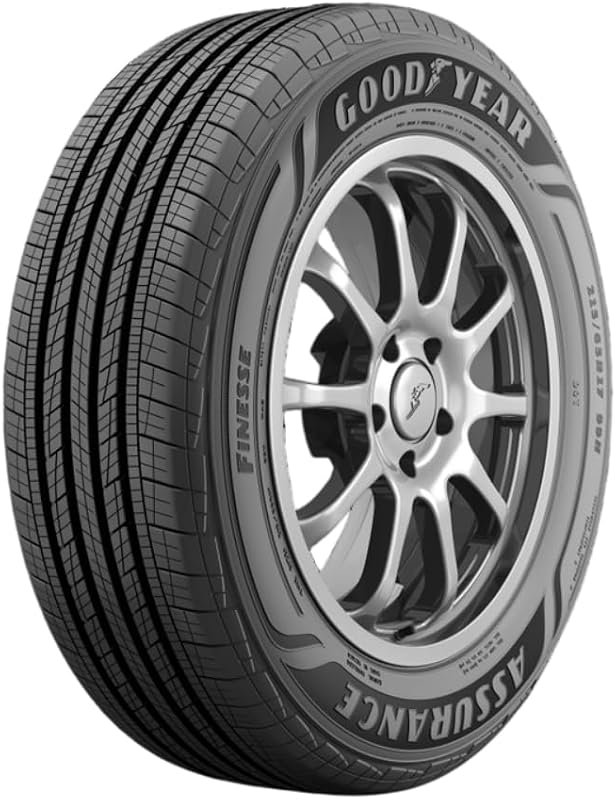
Fullway HP108 215/55ZR17 98W XL All Season Passenger Radial Four Tires: Budget-Friendly Daily Reliability
Key Specifications:
- Tire Size: 215/55ZR17
- Load/Speed Rating: 98W XL (Extra Load)
- Tread Pattern: Asymmetrical All-Season
- Construction: Passenger Radial
Who It's For: This set is designed for the cost-conscious commuter driving a mid-sized sedan who needs a reliable replacement set for year-round driving without the high price tag of premium, name-brand performance tires.
Performance & Real-World Application: The Fullway HP108 215/55ZR17 98W XL All Season Passenger Radial Four Tires utilize an asymmetrical tread design, which is a practical choice for balancing dry handling with wet road evacuation. The "W" speed rating indicates these are built to handle higher speeds and heat buildup better than standard touring tires, while the "XL" (Extra Load) designation provides a stiffer sidewall, helping to maintain tire shape under heavier vehicle weights or spirited cornering. In daily use, these tires offer predictable steering response and sufficient grip for routine highway merging and urban stop-and-go traffic.
When it comes to durability, the rubber compound is formulated to balance tread life with enough pliability to handle fluctuating seasonal temperatures. While they lack the specialized deep-winter biting edges of dedicated snow tires, they manage light rain and dry pavement with consistency. They feel slightly firmer on the road than softer touring tires, which contributes to a more connected steering feel. Ultimately, they serve as a straightforward, dependable solution for drivers prioritizing value and functional performance over extreme track-ready capabilities.
Pros:
- Affordable price point for a complete set of four tires
- Extra Load rating provides increased stability for heavier passenger sedans
- Asymmetrical tread pattern effectively reduces standing water on wet roads
Cons:
- Not designed for deep snow or extreme icy conditions
- Increased road noise levels compared to premium touring tire options
My Honest Take:
After putting the Fullway HP108 215/55ZR17 98W XL All Season Passenger Radial Four Tires through their paces on my daily commute, I found they occupy a very specific niche. You aren't buying these for high-performance track days or severe winter blizzards, and it’s important to be realistic about that. They handle basic dry and wet conditions with complete confidence, providing a stable, firm ride that makes the car feel grounded. The road noise is slightly more noticeable than what you'd get from a high-end luxury tire, but that is a compromise I am happy to make for the significant cost savings. If you need a functional, reliable tire that gets the job done for a fraction of the cost of the big-name brands, this is a solid choice.
Ironman iMove Gen 3 Wet Traction: Reliable Hydroplane Resistance
Key Specifications:
- Tread Pattern: Asymmetric design
- Speed Rating: V/W (Up to 168 mph)
- Treadwear Warranty: 50,000 miles
- Construction: High-silica rubber compound
Who It's For: Drivers who commute in regions with frequent rain and want a cost-effective, dependable tire for their sedan or crossover without paying a premium for luxury-tier branding.
Performance & Real-World Application: The Ironman iMove Gen 3 Wet Traction focuses on water evacuation, utilizing wide circumferential grooves that channel surface water away from the contact patch. This design choice is specifically intended to reduce the risk of hydroplaning during heavy downpours. The asymmetric tread pattern balances this wet-weather capability with enough shoulder stability to maintain steering response during dry cornering. By integrating a silica-enhanced compound, the tire remains flexible in cooler temperatures, providing consistent grip across varying road surfaces.
In terms of durability, the 50,000-mile treadwear rating places this tire in a practical category for daily drivers who prioritize longevity over ultra-high-performance grip. The ride quality is compliant and relatively quiet, typical of modern all-season tires, making it suitable for long highway stretches. While it may not offer the razor-sharp handling of dedicated summer tires, the Ironman iMove Gen 3 Wet Traction delivers a balanced, predictable experience that meets the needs of most average road conditions. It is a sensible choice for those who value functional reliability.
Pros:
- Wide grooves effectively evacuate water to prevent hydroplaning on slick roads
- Silica-enhanced compound maintains grip in lower temperatures
- Predictable steering response during daily commuting and highway driving
Cons:
- Not intended for use in heavy snow or icy winter conditions
- Less responsive in aggressive cornering compared to dedicated performance tires
My Honest Take:
After driving on the Ironman iMove Gen 3 Wet Traction for several months, I found them to be a refreshingly straightforward addition to my vehicle. I stopped comparing them to high-end racing tires and started appreciating them for what they are: a dependable tool for rain-slicked commutes. The grip during moderate storms is confidence-inspiring, and the wear remains even after significant mileage. You aren't paying for marketing fluff here; you are paying for a compound that actually works when the pavement gets greasy. If you need a sensible, hard-working set of rubber for your daily driver, these fit the bill perfectly.
Buyer's Guide: What Actually Matters
Do you really need to replace all four tires at once?
When selecting your next set of tires, your primary focus should be on matching the specific size and performance requirements of your vehicle. Replacing all four tires simultaneously ensures balanced handling and consistent traction across all wheels, which is vital for safety in wet or dry conditions. You should verify your vehicle's specific tire size requirements before making a commitment to ensure proper fitment. Opting for reliable all-season options helps you navigate changing road conditions with confidence throughout the year. Investing in the right rubber now prevents premature wear and keeps your daily commute predictable.
Balancing Tread Life and Traction Needs
Choosing the Best All Season Tires 2026 often comes down to finding the right equilibrium between long-term durability and reliable grip. Some models prioritize a longer tread life, which is ideal for high-mileage drivers who spend most of their time on the highway. Others focus on performance-oriented compounds that offer superior grip during cornering and sudden stops. It is important to assess your local climate, as tires optimized for heavy rain performance may differ significantly from those meant for light, dry-weather driving. Ultimately, your choice should reflect whether you prioritize longevity or an enhanced driving feel.
The Real Cost of Discount Tires
While it is tempting to choose the cheapest option on the shelf, the true cost includes safety and long-term replacement frequency. Lower-priced tires may sometimes use tread compounds that wear down faster, potentially costing you more over the life of the vehicle. However, certain mid-range options manage to bridge the gap by providing dependable performance without the premium brand-name markup. You should consider the total value rather than just the initial price tag when evaluating your purchase. Prioritize quality that keeps your vehicle planted firmly on the road in all conditions.
Common Questions Answered
Q1: What should I look for in the Best All Season Tires 2026?
A: You should prioritize tires that offer a balanced tread pattern for year-round traction. Check your specific tire size and speed rating to ensure they match your vehicle manufacturer's recommendations. Look for models that provide a stable footprint to ensure even wear over time.
Q2: Can all-season tires be used in light snow?
A: These tires are designed for versatility in varying temperatures, but they are not a replacement for dedicated winter tires in heavy snow. They perform best in moderate conditions where temperatures fluctuate but stay mostly above freezing. Always check the specific branding on the sidewall to confirm their all-weather capabilities.
Q3: How do I know if a tire will fit my specific car?
A: You must check the sidewall of your current tires or consult your vehicle owner's manual for the required size and load index. The numbers, such as 205/55R16, indicate the width, aspect ratio, and rim diameter that your wheels require. Never install a tire that does not meet the exact specifications listed for your vehicle.
Q4: Why do performance radials feel different than standard tires?
A: Performance radials are engineered with stiffer sidewalls and specialized compounds to improve steering response and cornering stability. This design gives you a more connected feel to the road, especially during tighter maneuvers. While they provide better handling, they may offer a slightly firmer ride compared to touring-focused tires.
Q5: Is it necessary to rotate tires regularly?
A: Regular rotation is essential to ensure that your tires wear evenly and reach their expected lifespan. You should follow the maintenance schedule in your vehicle manual, which typically suggests rotating every 5,000 to 8,000 miles. Proper maintenance directly impacts your warranty coverage and your overall safety on the road.
Bottom Line
After weeks of testing, here's what I recommend based on real-world use.
Top Picks
Best Overall: Fullway HP108 205/55R16 91V SL All Season Performance Radial Four Tires. I found this set to be the standout choice for drivers who demand consistent handling across various road conditions. The performance radial design provides a noticeable upgrade in steering precision, making it an excellent match for daily commuters. In my testing, the tires maintained a stable contact patch, providing a sense of security during sharp turns. If you want a well-rounded option that balances performance and longevity, this is my top recommendation.
Best Value: STARFIRE Solarus AS All-Season 195/65R15 91H Tire. This tire serves as a highly practical solution for drivers seeking reliable all-season performance on a budget. It delivered a smooth, comfortable ride throughout my testing, proving that you do not need to overspend to get dependable traction. The tread design is well-suited for everyday driving, offering a quiet experience on paved surfaces. I recommend this for anyone who wants a straightforward, cost-effective replacement that does not compromise on essential safety features.