When navigating the market for a new set of rubber, a comprehensive Tyre Comparison between all-season and summer tyres is the most effective way to ensure safety and efficiency.
Selecting between these two categories can be confusing because both options appear similar at a glance. Drivers often struggle to balance the convenience of year-round capability against the refined performance of summer-specific engineering.
This guide evaluates the technical trade-offs, providing you with a clear decision framework based on your climate, driving habits, and vehicle requirements.
- Compound elasticity across varying temperature ranges.
- Tread pattern design for wet versus dry handling.
- Longevity and expected service life expectations.
- Seasonal safety requirements and legal mandates.
- Performance characteristics under high-demand driving.
Overview & Head-to-Head Summary

All-Season Tyre Profile
All-season tyres are designed as generalists, offering a balanced blend of longevity, fuel efficiency, and traction in a wide range of temperatures. They are the standard for most consumer vehicles, providing adequate grip in light snow and varying road conditions.
Summer Tyre Profile
Summer tyres, often called performance tyres, feature specialized rubber compounds that remain flexible in warm weather but become stiff in cold temperatures. They prioritize handling, steering responsiveness, and braking distance on both dry and wet surfaces during warmer months.
| Feature | All-Season | Summer |
|---|---|---|
| Temperature Range | Wide (including light snow) | Warm only (above 7°C) |
| Tread Life | Generally longer | Generally shorter |
| Handling Precision | Moderate | High |
| Fuel Economy | High | Variable |
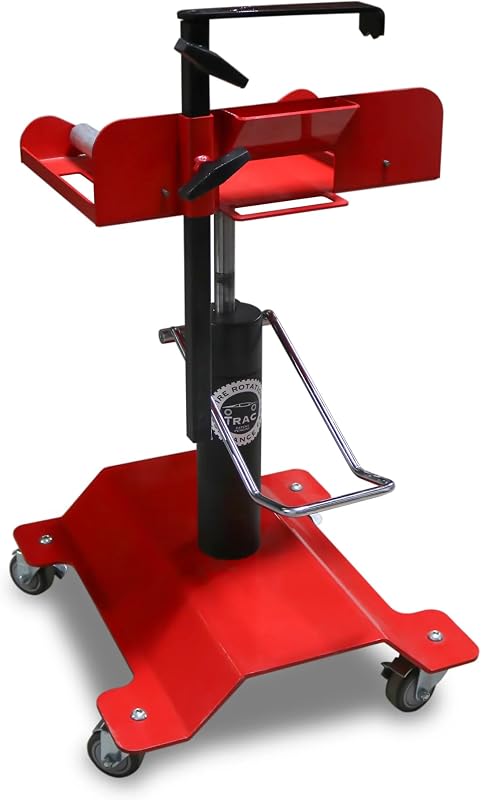
If you live in an area where temperatures drop below 7°C regularly, prioritize Best Tire Rotation Tools and Equipment for 2026 to ensure your tyres wear evenly regardless of the type you choose.
Key Differences & Core Features

Rubber Compound Chemistry
The fundamental difference lies in the polymer composition. All-season rubber is engineered to remain pliable at near-freezing temperatures, whereas summer tyre compounds are designed to optimize molecular friction on hot pavement, which leads to superior grip.
Tread Pattern Architecture
Summer tyres often feature larger tread blocks for maximum contact patch area during cornering. In contrast, all-season models incorporate more siping—small, thin slits in the tread—to help evacuate water and provide "bite" on icy or snowy surfaces.
| Difference | All-Season | Summer |
|---|---|---|
| Siping Density | High (for grip) | Low (for stability) |
| Cornering Ability | Moderate | Superior |
| Hydroplaning Resistance | Good | Excellent (in deep water) |
| Cold Weather Safety | Safe (to a point) | Unsafe |
For those looking to maintain their vehicle's aesthetic while managing these changes, learning Can You Paint Rims on a Car? A 2026 DIY Guide vs Top Competitors: Which is Best? can be a useful skill during seasonal transitions.
Performance & Real-World Analysis

Dry and Wet Handling
In real-world testing, summer tyres consistently outperform all-season variants in dry cornering and emergency braking scenarios. This is due to the lack of siping, which prevents the tyre blocks from squirming under heavy lateral loads.
Seasonal Versatility
All-season tyres excel in "transitional" weather. While they do not provide the extreme performance of summer tyres, they do not suffer from the same dangerous loss of grip that summer rubber experiences during the first frost of autumn.
Data suggests that choosing the correct tyre for your climate is the single most effective way to improve vehicle safety and performance longevity.
Best Use Cases & Ideal Scenarios

When All-Season Makes More Sense
All-season tyres are ideal for daily drivers, long-distance commuters, and anyone living in regions with fluctuating temperatures. They eliminate the need for biannual tyre changes and provide reliable, predictable handling.
When Summer Makes More Sense
Summer tyres are best for enthusiasts who drive in warm climates and prioritize maximum braking performance, steering accuracy, and cornering grip. They transform the driving feel of many vehicles.
When It Genuinely Doesn't Matter
If you drive a sub-compact vehicle at low speeds in a city with moderate weather, the performance gap between a premium all-season and a standard summer tyre will be largely imperceptible.
Recommended Equipment & Solution

The Latin Continuation of William of Tyre
A reliable pick for The Latin Continuation of William, selected based on this article's guidance.

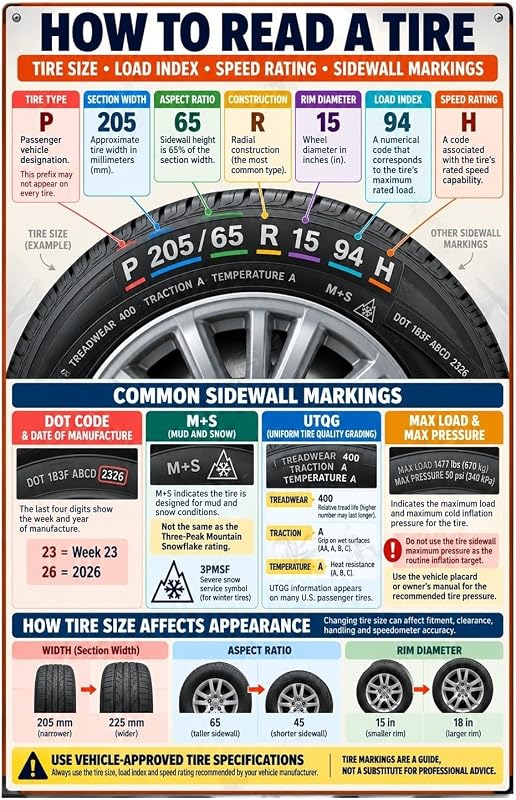
Lexani LXUHP-207 - 245/45R17 99W Summer High
A reliable pick for Lexani LXUHP-207 - 245/45R17 99W, selected based on this article's guidance.
Final Verdict & Decision Framework

Quick Decision Checklist
Start by identifying your primary goal: do you need year-round safety in changing weather, or are you chasing pure driving dynamics in a temperate climate? If you fall into the former, choose All-Season. For the latter, Summer is your path.
Our Framework for Choosing
| Your Goal | Recommendation |
|---|---|
| Safety in cold/snow | All-Season |
| Maximum dry grip | Summer |
| Low maintenance | All-Season |
| High performance | Summer |
Frequently Asked Questions
Are all-season tyres safe in snow?
A: All-season tyres are safe in light, dusting snow conditions. However, they lack the specific compounding and deep tread depth required for heavy snow or ice.
Do summer tyres wear out faster?
A: Generally, yes. The softer rubber compounds used to increase grip tend to wear down more quickly than the harder compounds found in all-season tyres.
Can I drive on summer tyres in winter?
A: No. Summer tyres lose their elasticity at low temperatures, becoming brittle and providing significantly reduced grip, which is hazardous in cold conditions.
How do I check if my tyres are all-season?
A: Look for the "M+S" (Mud and Snow) rating on the tyre sidewall. Most all-season tyres carry this designation.
Is fuel economy different?
A: Often, all-season tyres have lower rolling resistance, which can contribute to slightly better fuel efficiency compared to aggressive summer performance tyres.
Do I need to rotate them differently?
A: Both types require regular rotation to ensure even tread wear. Ensure you are using the correct tools as outlined in Best Tire Rotation Tools and Equipment for 2026 .
Which is quieter?
A: All-season tyres are typically designed for comfort and noise reduction, whereas some high-performance summer tyres may produce more road noise due to their tread design.
Can I mix all-season and summer tyres?
A: It is highly discouraged. Mixing tyres with different grip characteristics and tread designs on the same axle will lead to unstable handling and unpredictable vehicle behavior.
Key Takeaways
- 1 All-season tyres offer versatility for varying climates.
- 2 Summer tyres provide superior performance in warm, dry conditions.
- 3 Temperature (7°C) is the critical threshold for performance switching.
- 4 Never use summer tyres in near-freezing or freezing temperatures.
- 5 Tread life is typically shorter for high-performance summer models.
- 6 Safety should always outweigh performance aesthetics.
- 7 Consistent tyre rotation is required regardless of your selection.
Conclusion
Choosing between all-season and summer tyres is a trade-off between the convenience of year-round reliability and the thrill of optimized performance. By assessing your local climate and your personal driving style, you can determine which option aligns best with your vehicle's needs.
Remember that safety is the priority; if your region experiences cold winters, the convenience of all-season tyres is an essential safeguard. For enthusiasts in warm areas, the performance gains of summer rubber are well worth the investment.
Selecting the right tyre is a foundational decision that impacts every mile you drive.