The Best Wheel Offset Explained through a practical, illustrative case study provides a roadmap for enthusiasts looking to balance aesthetics with mechanical integrity. When modifying vehicle stance, understanding how the distance from the wheel hub mounting surface to the wheel centerline impacts suspension geometry is critical for long-term safety and performance.
Many drivers encounter challenges when upgrading to aftermarket wheels, often focusing solely on visual appeal while neglecting the technical constraints of their vehicle's chassis. This representative scenario examines a typical journey from improper fitment to a balanced, performance-oriented setup, demonstrating why generic advice often falls short.
By following this walkthrough, you will learn how to diagnose potential clearance issues, evaluate the trade-offs of various offsets, and achieve a configuration that supports both handling and aesthetic goals without compromising the vehicle's integrity.
- Understanding the initial constraints and common pitfalls of improper offsets.
- Developing a systematic approach to verifying wheel-to-fender and brake clearance.
- Analyzing how geometry shifts affect steering responsiveness and tire wear.
- Measuring success through qualitative improvements in vehicle stability and comfort.
- Learning transferable lessons for future wheel and tire upgrade projects.
The Starting Point: A Common Best Wheel Offset Explained Scenario

The Core Challenge
In a commonly observed pattern, a vehicle owner attempts to install wider aftermarket wheels to achieve a more aggressive stance. Without considering the Best Wheel Offset Explained in a technical context, they select wheels with an offset that pushes the tire too far outward, resulting in severe fender rubbing and accelerated steering rack fatigue. The vehicle becomes unpredictable in corners, and the increased scrub radius causes heavy steering feedback.
Why the Default Approach Often Falls Short
Most enthusiasts rely on visual cues rather than measurement-based planning. When you prioritize look over geometry, you ignore the delicate balance established by the manufacturer. You can find more context on broader vehicle maintenance in Tyre Reviews: Reliable Selection for Every Driver to understand why the tire-to-wheel interface is fundamental to safety.
The Approach & Method

Phase 1: Diagnostic Measurement
The first step involves precise measurement of the current clearance between the inner wheel barrel and suspension components, as well as the outer edge and the fender liner. By using a plumb bob or a laser level, the owner establishes a baseline for how much inward or outward movement is physically permissible.
Phase 2: Geometry Optimization
With data in hand, the focus shifts to calculating the ideal offset to maintain the scrub radius as close to factory as possible. This involves iterative testing with test-fit rings or temporary spacers to ensure that turning the wheel at full lock does not induce binding. For those managing center caps and fitment aesthetics, resources like Step-by-Step: How to Setup, Configure & Master Alloy Eagle Wheels Center Caps can provide helpful guidance on ensuring hardware compatibility during this phase.
Measurement Baseline
Iterative Test Fitting
Alignment Validation
Recommended Equipment & Solution

Eocnrhe Adjustable Overbed Bedside Table, Hospital Bed
A reliable pick for Eocnrhe Adjustable Overbed Bedside Table, selected based on this article's guidance.
Results & Outcome Analysis
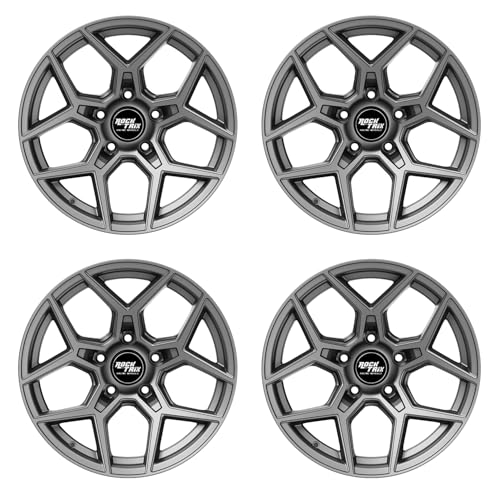
Comparing Performance States
The transformation from an ill-fitting setup to an optimized one is most visible in the vehicle's handling stability. By prioritizing technical alignment over extreme aesthetics, the owner eliminates the "tramlining" effect common with improper offsets.
Qualitative Improvements
In this representative scenario, the owner experiences a significantly more stable steering feel at highway speeds and a complete resolution of fender contact issues. Insights from Skid Plate Essentials: The Ultimate Guide to Protecting Your Vehicle’s Underbelly can also help ensure that other modifications do not inadvertently interfere with your new wheel fitment.
| Metric | Before Adjustment | After Adjustment |
|---|---|---|
| Fender Clearance | Frequent intermittent rubbing | Consistent, safe gap |
| Steering Feedback | Erratic, heavy, "twitchy" | Predictable, composed |
| Alignment Stability | Rapid, uneven wear | Uniform wear patterns |
| Maintenance Focus | Constant troubleshooting | Periodic, standard inspection |
Lessons Learned

Principles of Fitment
The primary takeaway is that the "Best Wheel Offset" is not a single universal number but a calculated value specific to the vehicle's chassis limits. Pushing boundaries is possible, but it requires a holistic approach that includes suspension geometry and alignment.
Avoiding Common Pitfalls
Avoid the temptation to use spacers as a quick fix for incorrect offset selection. Proper wheel geometry should be baked into the selection process, not added as an afterthought. For further learning on related upgrades, consider Can You Paint Rims on a Car? A 2026 DIY Guide to ensure your final finish meets the same standard as your fitment.
Does This Apply to Your Situation?

When This Scenario Matches Yours
If you are planning an upgrade to larger wheels, wider tires, or a change in suspension ride height, the methodical approach outlined here is directly applicable. It is particularly relevant for those seeking a balance between a custom aesthetic and daily-driver reliability.
When Your Situation Differs
If you are competing in dedicated track events where steering response is prioritized above all other factors, your calculation for the "best" offset may lean toward a more aggressive scrub radius, provided you have the supporting suspension hardware. Individual results vary significantly; treat this as an illustrative guide rather than a guarantee of specific handling outcomes.
Frequently Asked Questions
What exactly is wheel offset?
A: Offset is the distance from the wheel's mounting surface to its true centerline. It determines whether the wheel sits inward toward the suspension or outward toward the fender.
How do I measure for a new offset?
A: You measure the distance from the mounting hub to the inner suspension and the outer fender edge. Ensure your new wheel dimensions keep the tire within these two physical limits.
Does a lower offset always mean a wider look?
A: Generally, yes, a lower (or more negative) offset pushes the wheel further out from the vehicle. However, it also increases the load on your wheel bearings and affects steering geometry.
What happens if my offset is too high?
A: If the offset is too high, the wheel may move inward and contact the brake caliper, suspension struts, or interior fender liner. This can lead to mechanical failure or severe tire damage.
Can I use spacers to fix bad offset?
A: Spacers can adjust fitment, but they are generally a stop-gap measure. It is always superior to purchase wheels with the correct offset for your specific vehicle configuration.
Why does offset affect steering feel?
A: Offset directly impacts the scrub radius, which is the pivot point where the tire contacts the road. Changing this drastically alters how the vehicle handles steering input and road feedback.
Does offset affect tire wear?
A: Yes, an improper offset combined with a lack of proper alignment will cause accelerated and uneven tire wear. Proper offset preserves the intended suspension geometry, promoting even contact patches.
Should I talk to a professional before buying?
A: Consulting with a shop that specializes in wheel fitment or checking verified forums for your specific model is highly recommended. Professional guidance reduces the risk of costly purchasing errors.
Key Takeaways
- 1 Always define your physical clearance limits before buying wheels.
- 2 Offset is fundamental to maintaining manufacturer-intended steering geometry.
- 3 Aesthetic goals must remain secondary to safety and mechanical clearance.
- 4 A "factory-plus" approach yields the most reliable long-term performance.
- 5 Always re-align your vehicle after changing wheel dimensions or offsets.
- 6 Use test-fit tools to verify brake clearance prior to final installation.
- 7 Documenting your measurements helps avoid future errors during tire changes.
Conclusion
Applying the best wheel offset involves a careful marriage of technical measurement and informed selection. By following a structured approach, you ensure your vehicle retains its intended driving characteristics while achieving your aesthetic goals.
Remember that the most successful modifications are those that respect the mechanical limitations of the chassis. By applying these lessons, you can enjoy a custom look without the performance-degrading consequences of improper fitment.
Mastering your wheel setup is a hallmark of an informed enthusiast, ensuring every mile is as stable as it is stylish. For more comprehensive guides, visit All Weather Tires Vs All Season Tires: Choosing Your Best Fit to round out your vehicle upgrade knowledge.