Navigating the complexities of an Alloy Eagle Wheels Center Caps: Top Replacements, Sizes & Fitment Guide Sizing & Specs Checklist is essential for maintaining the aesthetic and structural integrity of your vehicle's wheels.
This guide is designed for automotive enthusiasts and DIY mechanics who require a methodical approach to wheel customization. We assume a foundational understanding of basic automotive tools and a desire to achieve professional-grade results.
By the conclusion of this tutorial, you will be able to accurately measure your wheel hub, identify correct cap compatibility, and successfully install replacements that remain secure under driving conditions.
- Understanding hub bore measurements.
- Differentiating between cap styles (snap-in vs. bolt-on).
- Identifying material quality for long-term durability.
- Safety precautions during installation.
- Troubleshooting common fitment issues.
Overview & Prerequisites

Required Tools and Equipment
To begin, you will need a digital caliper for high-precision measurements, a non-marring pry tool, and a soft-headed mallet. Having Step-by-Step: How to Setup, Configure & Master Alloy Eagle Wheels Center Caps: Top Replacements, Sizes & Fitment Guide handy can also help you familiarize yourself with the specific architecture of your wheel series.
Target Audience Requirements
This guide assumes you have access to a safe, level surface and that your vehicle is parked with the emergency brake engaged. Experience with basic wheel maintenance is helpful but not strictly required if you follow these steps carefully.
Always measure the center cap bore diameter while the wheel is off the vehicle if possible, as this allows for direct access to the back of the hub for verification.
Core Concepts & Fundamentals

Understanding Hub Bore vs. Cap Diameter
The most common mistake involves confusing the wheel's hub bore with the center cap diameter. The cap must be slightly smaller than the bore to allow for a snug fit using the tension clips, whereas the bore itself is fixed to the axle size.
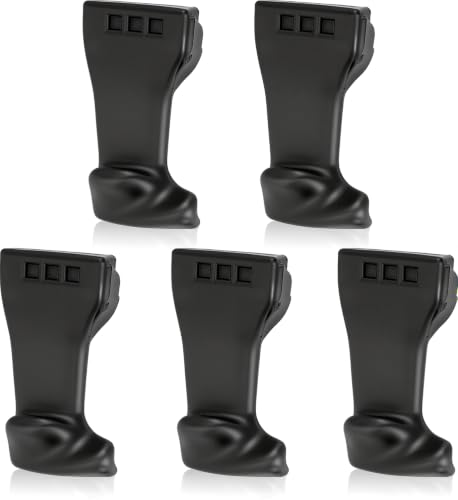
Material Dynamics and Tension Clips
Center caps rely on either spring-steel tension rings or plastic snap-in tabs. Understanding the difference is vital for long-term retention. Consult Best Wheel Offset Explained: How to Achieve the Perfect Fitment to ensure your cap choices don't interfere with your wheel's overall geometry.
| Feature | Correct Approach | Incorrect Approach |
|---|---|---|
| Measurement | Digital Caliper (Internal) | Standard Ruler (Visual) |
| Fitment | Press-fit with tension | Glued or taped |
| Hardware | Steel tension clips | Plastic friction |
Step-by-Step Execution Guide

Preparation Phase
Before installing your new components, clean the hub area thoroughly to remove road grime and brake dust that could prevent a flush fit.
Installation Phase
Refer to 7 Common Problems with Alloy Eagle Wheels Center Caps: Top Replacements, Sizes & Fitment Guide if you encounter persistent resistance.
Recommended Equipment & Solution

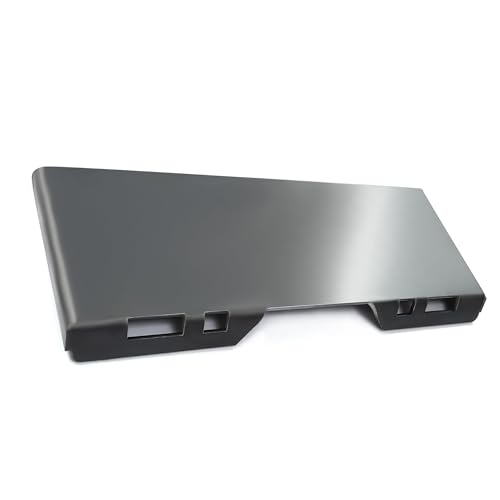
Eagle 3118-06 Replacement Wheel Center Cap 4.25"
A reliable pick for Eagle 3118-06 Replacement Wheel Center, selected based on this article's guidance.

Eagle 3144-06 Replacement wheel center cap
A reliable pick for Eagle 3144-06 Replacement wheel center, selected based on this article's guidance.
Best Practices & Pro Tips
Maintaining Aesthetic Integrity
Regularly wash your center caps with mild soap, avoiding harsh wheel cleaners that can cause oxidation or premature fading of emblems.
Retention Security
Troubleshooting & Common Pitfalls

Identifying Structural Failures
Common failures include cracked plastic tabs due to temperature fluctuations or loose-fitting caps caused by over-stretching the metal tension rings during installation.
Repair and Prevention
Frequently Asked Questions
Q: How do I know my exact size?
A: Always use a digital caliper to measure the bore diameter from the inside of the wheel center, as external estimates are often inaccurate.
Q: Can I paint my center caps?
A: Yes, but use a high-heat automotive spray paint and plastic primer to ensure the finish does not flake due to brake temperatures.
Q: Are all center caps universal?
A: No, center caps are specific to the wheel manufacturer and model; universal options rarely provide a secure fit.
Q: What if my caps are locked?
A: Some high-performance wheels use locking center caps that require a specialized key; check your wheel kit documentation.
Q: How do I prevent theft?
A: Consider using security bolts or specialized locking caps if your wheels are high-value.
Q: Should I use lubricant during install?
A: Generally, no; lubricant can cause the cap to slide out due to vibrations, though a tiny amount of soapy water can help with tight fits.
Q: Do caps affect wheel balance?
A: In theory, an extremely unbalanced cap could affect high-speed rotation, but typically, they are light enough to be negligible.
Q: How long should a replacement cap last?
A: With proper care and correct fitment, a quality aftermarket cap can last 3 to 5 years under normal driving conditions.
Key Takeaways
- 1 Always prioritize digital measurements over manufacturer labels.
- 2 Use non-marring tools to prevent wheel finish damage.
- 3 Ensure tension clips are fully engaged for road safety.
- 4 Consistent cleaning prevents corrosion of retention hardware.
- 5 Always replace caps as a complete set.
- 6 Plastic quality directly impacts tab durability.
- 7 When in doubt, check the specific wheel model specs.
Conclusion
Successfully managing your wheels starts with the small details, such as selecting the right center cap for your specific model. By following this guide, you have ensured that your components will remain secure, attractive, and functional throughout their lifespan.
For further reading on wheel performance, explore Tyre Reviews: Reliable Selection for Every Driver to ensure your entire wheel assembly is optimized.
Precision in the small details is what elevates a standard vehicle to a professionally maintained machine.
📌 Pillar Resource: Read our complete our Alloy Eagle Wheels Center Caps: Top Replacements, Sizes & Fitment Guide resource for in-depth insights.