Llantas are the fundamental point of contact between your vehicle and the road, serving as the most critical component for safety, fuel efficiency, and overall handling.
This guide is designed for car owners and enthusiasts who want to move beyond basic visual inspections and master the technical upkeep of their vehicle's wheels. We assume you have basic knowledge of automotive terminology but are looking for a structured, professional approach to tire health.
By the end of this guide, you will be able to perform professional-grade assessments, interpret wear patterns, and optimize your setup for various road conditions.
- Understanding the construction and terminology of modern Llantas.
- How to perform a rigorous safety and pressure assessment.
- Deciphering complex wear patterns that indicate suspension issues.
- Selecting the right replacement based on seasonal requirements.
- Effective long-term maintenance habits for longevity.
Overview & Prerequisites

Required Tools for Assessment
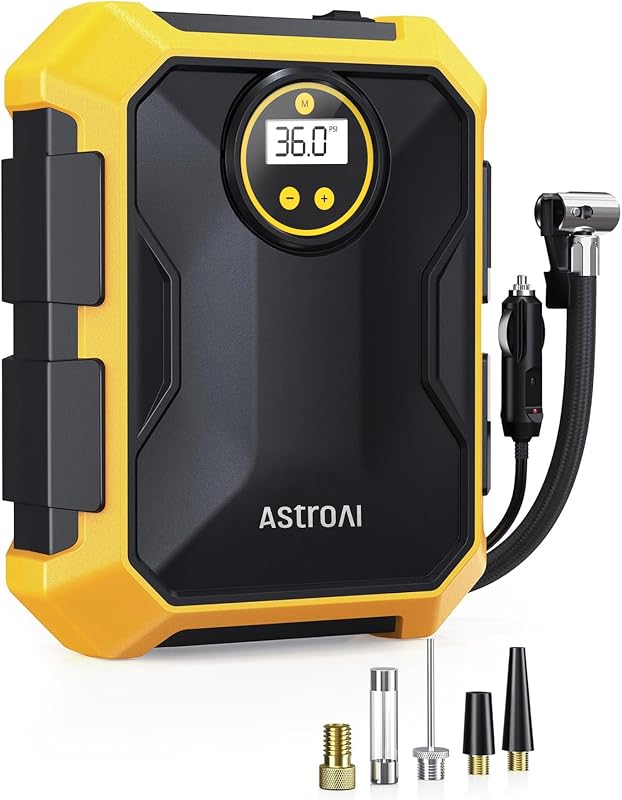
To properly manage your Llantas, you need a high-quality digital pressure gauge, a tread depth tool, and a reliable torque wrench. These instruments provide the empirical data necessary to make informed decisions about tire rotation or replacement.
Who This Guide Is For
This guide is intended for the proactive driver who prefers hands-on maintenance. Whether you are prepping for a seasonal change or diagnosing an uneven ride, this methodology applies across standard passenger and SUV vehicles. For specific seasonal needs, refer to our guide on Best Winter Tires For Suvs: Top Performance Guide.
Tip: Always perform your pressure checks when the tires are "cold," meaning the vehicle has been stationary for at least three hours. Warm tires will provide inaccurate, inflated pressure readings.
Core Concepts & Fundamentals

Understanding Tire Construction
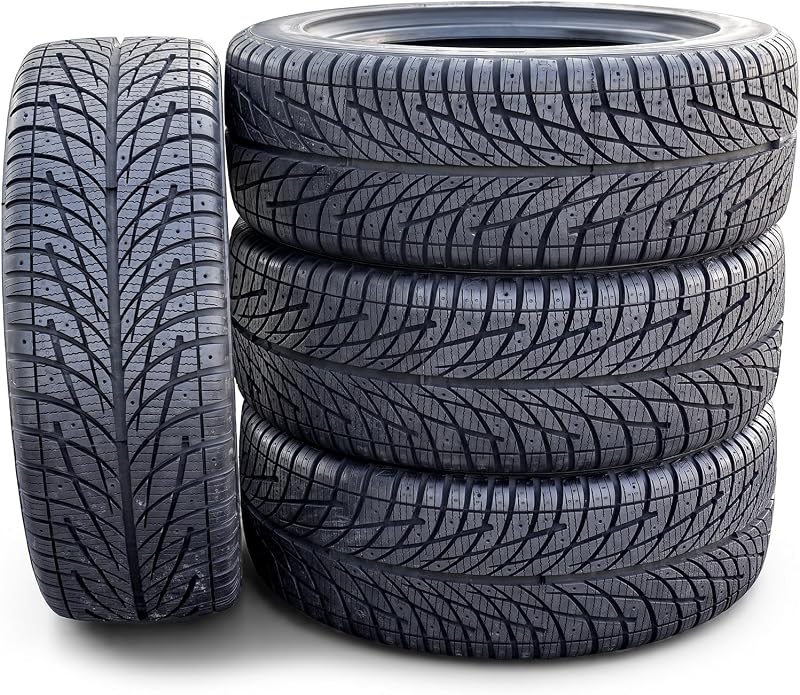
Modern Llantas consist of several layers, including the tread, belts, and sidewall. The tread provides the grip, while the internal steel belts provide structural integrity. Understanding these layers helps explain why physical damage to the sidewall is often considered a non-repairable safety risk.
The Impact of Alignment and Balance
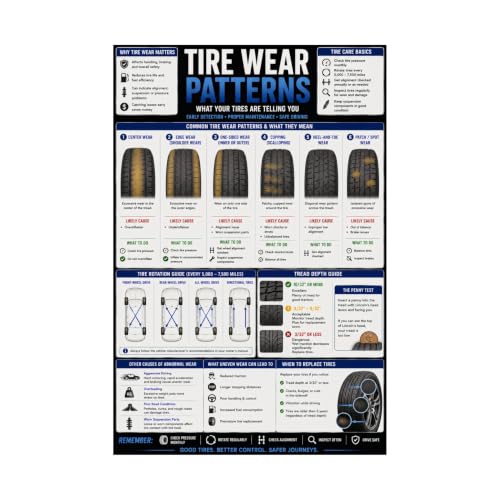
Even the highest quality tire will degrade rapidly if the vehicle's geometry is off. Misalignment causes localized friction, leading to uneven wear that can be easily identified by following our guide on Best Tire Wear Patterns: Identify Maintenance Needs Easily. Proper balance ensures that the weight is distributed evenly during rotation, preventing vibration.
| Feature | Optimal Maintenance | Neglected Maintenance |
|---|---|---|
| Pressure | Manufacturer specified PSI | Under-inflated/Over-inflated |
| Alignment | Even footprint contact | Excessive inner or outer edge wear |
| Rotation | Every 5,000–8,000 miles | Irregular tread depth across axle |
Step-by-Step Execution Guide

Preparation Phase
Before beginning, ensure your vehicle is on a flat, level surface and the parking brake is engaged. Verify the manufacturer’s recommended PSI found on the driver-side door jamb sticker rather than the tire sidewall itself.
Execution Phase
Recommended Equipment & Solution
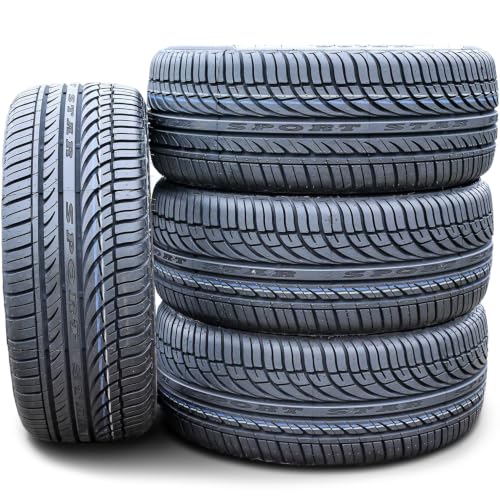
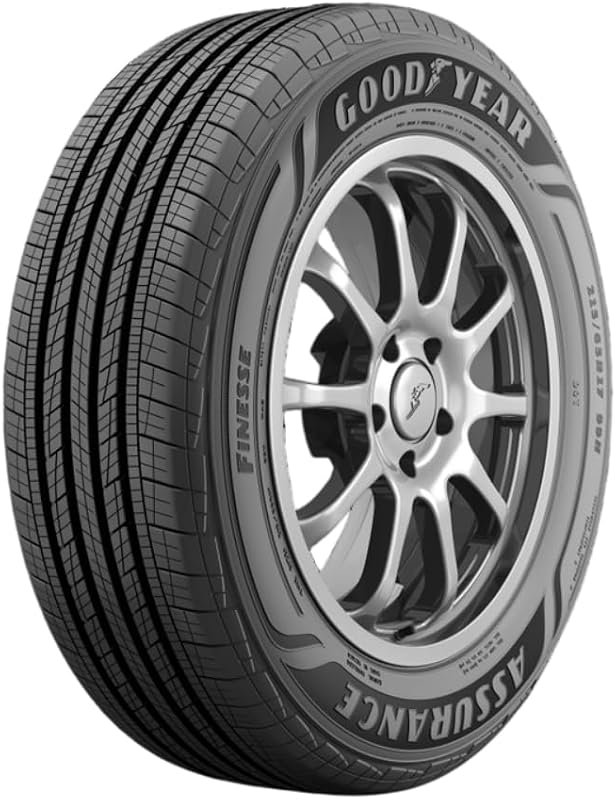
Fullway HP108 215/55ZR17 98W XL All Season
A reliable pick for Fullway HP108 215/55ZR17 98W XL, selected based on this article's guidance.
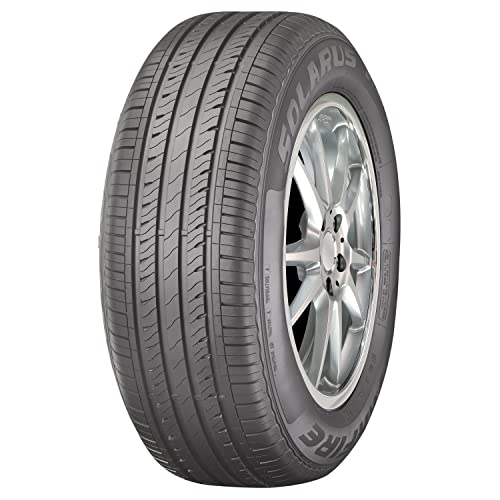
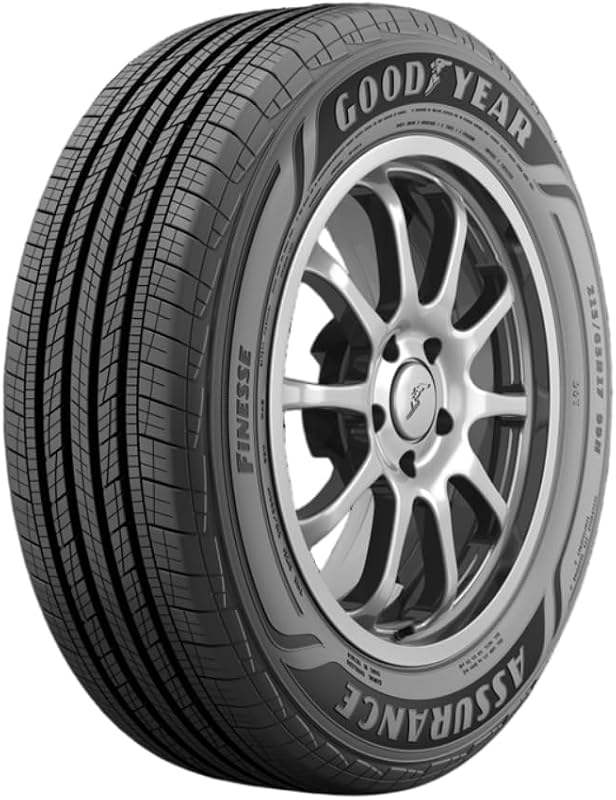
STARFIRE Solarus AS All-Season 195/65R15 91H Tire
A reliable pick for STARFIRE Solarus AS All-Season 195/65R15, selected based on this article's guidance.
Best Practices & Pro Tips

Seasonal Rotation Strategies
Rotating your tires consistently extends their lifespan by ensuring they share the workload of steering and torque. Generally, a front-to-back rotation is standard for most vehicles, but consult your manual for specific directional tire requirements.
Environmental Storage
When storing seasonal tires, keep them in a cool, dry, and dark location. UV light and extreme heat are the primary accelerators of rubber oxidation, which can compromise the integrity of the Llantas before they are even used again.
Pro Tip: Keep a log of your mileage during every rotation to track the exact service life of your set.
Success: Using a dedicated tire storage bag prevents chemical contamination from other garage items.
Note: Always re-check your torque settings after the first 50 miles following a tire installation.
Troubleshooting & Common Pitfalls
Identifying Vibration Sources
Persistent vibration at highway speeds often suggests a loss of wheel balance or a bent rim. If the vibration is felt through the steering wheel, the issue is typically in the front axle; if felt through the seat, it is often in the rear.
Responding to Uneven Wear
If you notice excessive wear on one side of the tire, your camber or toe settings are likely out of specification. Do not simply rotate them to hide the issue; address the underlying suspension fault to avoid destroying the new tires as well.
Warning: A "bulge" or "bubble" on the sidewall indicates internal belt failure. This is a blowout risk—replace immediately.
Warning: Rapid center tread wear usually points to chronic over-inflation, which reduces the contact patch and grip.
Warning: Cupping (scalloped wear) often signifies worn shocks or struts, requiring mechanical repair beyond the tires themselves.
Frequently Asked Questions
How often should I check my Llantas pressure?
A: You should check your tire pressure at least once a month and before any long road trip. Temperature changes in the seasons can cause significant PSI fluctuations.
What is the minimum legal tread depth?
A: Most jurisdictions require a minimum of 2/32 of an inch. However, for safety in wet conditions, many experts recommend replacing them when they reach 4/32 of an inch.
Why do my tires lose pressure in winter?
A: Air contracts when cold, which physically lowers the pressure inside the tire. You may need to add a few PSI during the coldest months of the year.
Can I repair a puncture in the sidewall?
A: No, sidewall punctures cannot be safely repaired. The sidewall is a structural component of the tire, and any compromise requires a full replacement.
How do I know if I need an alignment?
A: If your vehicle pulls to one side while driving on a flat road, or if you notice uneven tread wear, your vehicle likely requires a professional alignment.
Does rotation improve gas mileage?
A: Yes, by ensuring even tread wear and optimal contact with the road, you reduce rolling resistance. This helps the engine operate more efficiently over time.
What do the numbers on my tires mean?
A: These numbers represent the width, aspect ratio, construction type, and rim diameter. It is essential to match these exactly when purchasing replacements.
How long do Llantas typically last?
A: While many modern tires are rated for 50,000 to 60,000 miles, environmental factors and driving style can significantly shorten this lifespan.
Key Takeaways
- 1 Maintain proper cold-pressure levels monthly.
- 2 Rotate your tires every 5,000–8,000 miles.
- 3 Monitor tread depth to ensure safe braking distances.
- 4 Address suspension issues immediately to prevent uneven wear.
- 5 Always check the manufacturer's PSI recommendations.
- 6 Inspect for sidewall damage that cannot be repaired.
- 7 Use high-quality tools for accurate maintenance.
Conclusion
Managing your Llantas is more than just a routine chore; it is an investment in your safety and the longevity of your vehicle. By staying proactive with pressure checks, rotation, and alignment, you maximize performance and minimize long-term costs.
Continue your education by practicing these habits and staying aware of how your vehicle feels during day-to-day operation. For further technical details on aesthetic components like center caps, visit our guide on Alloy Eagle Wheels Center Caps: Top Replacements, Sizes & Fitment Guide.
Consistent care is the key to tire performance and driver peace of mind.