Navigating the common problems with alloy wheels vs. premium wheels: Understanding the difference and fixes is essential for any car owner looking to maintain their vehicle's aesthetics and structural integrity.
This guide is designed for automotive enthusiasts and DIYers who want to transition from basic maintenance to expert-level care. It assumes a foundational knowledge of vehicle safety and general hand tools.
By the end of this guide, you will be able to distinguish between structural rim damage and cosmetic imperfections, select the appropriate cleaning agents, and perform basic restoration tasks with professional confidence.
- How alloy composition impacts durability.
- The visual indicators of premium versus standard finishes.
- Methods for identifying localized oxidation.
- Tools required for professional-grade DIY repair.
- Strategies to prevent long-term environmental degradation.
Overview & Prerequisites
Required Tools and Safety Gear
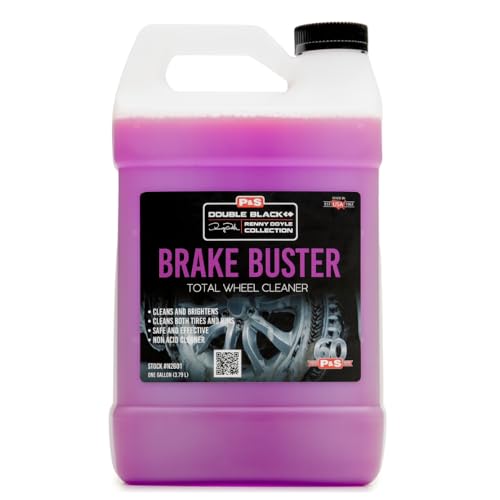
To address common problems with alloy wheels vs. premium wheels: understanding the difference and fixes requires basic tools: high-quality microfiber towels, mild pH-neutral cleaners, a clay bar, and a fine-grit wet sanding kit. Always wear nitrile gloves and eye protection when working with chemical solvents.
Target Audience and Skill Expectations
This guide is intended for the intermediate enthusiast. While no specialized mechanical license is required, users should be comfortable working in a garage setting and maintaining a controlled, clean environment. For specific surface restoration, refer to Is it possible to restore silver rims? A DIY Guide to Bringing Back the Shine to gauge your comfort level with sanding techniques.
Always inspect wheels while they are cool to the touch. Cleaning heated wheels can cause chemical flash-drying, which leaves streaks and may damage delicate clear coats.
Core Concepts & Fundamentals
Alloy Composition and Performance
Alloy wheels, typically cast aluminum, are designed for a balance of weight and affordability. Premium wheels—often forged or multi-piece constructions—offer higher density and better fatigue resistance. Understanding these nuances helps in identifying why a standard alloy might show surface pitting faster than a premium, powder-coated alternative.
Identifying Common Surface Defects
Common issues such as brake dust buildup or chemical oxidation vary by coating type. If you notice a chalky texture on your finish, read White powdery layer on alloy wheels, what is it and how to fix it fast to differentiate between harmless oxidation and structural corrosion.
| Feature | Standard Alloy | Premium Wheels |
|---|---|---|
| Construction | Cast Aluminum | Forged/Multi-piece |
| Finishing | Painted/Clear Coat | Anodized/Polished/Powder |
| Damage Vulnerability | High (Curb Rash) | Moderate (Surface finish) |
Step-by-Step Execution Guide
Preparation Phase
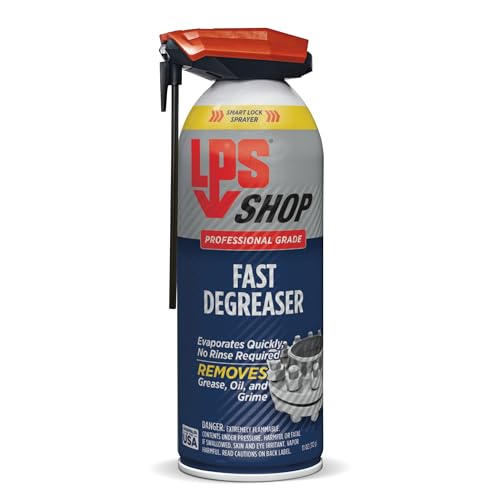
Before applying any product, thoroughly decontaminate the wheel surface. Use professional-grade degreasers to remove road tar; for detailed guidance on this, review Remove grease and asphalt from aluminum wheels: The Ultimate Pro Guide before proceeding.
Restoration and Finishing
Best Practices & Pro Tips
Maintenance Cycles
Consistency is key. Washing wheels bi-weekly prevents the deep-set stains that require aggressive polishing. Always use a soft-bristled brush to reach the inner barrels without scratching the finish.
Professional-Grade Refinements
Troubleshooting & Common Pitfalls
Addressing Persistent Haze
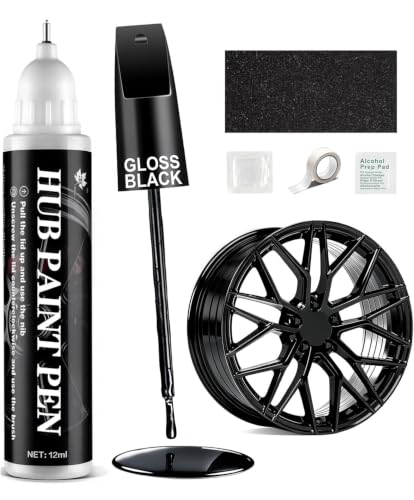
If your black wheels remain cloudy after cleaning, you are likely dealing with clear-coat degradation. For targeted solutions, see How to remove oxidation and haze from gloss black alloy wheels: Restore that showroom shine for detailed chemical treatments.
Failure Modes
Frequently Asked Questions
Can I use standard car soap for my alloy wheels?
A: Yes, it is safe, though a dedicated wheel cleaner is more effective at breaking down metallic brake dust.
Are premium wheels harder to maintain?
A: Not necessarily, but their high-end finishes often require specialized, non-abrasive cleaners to prevent scratching.
How do I know if my wheel is beyond repair?
A: If you see hairline cracks or significant warping, the wheel is structurally compromised and must be replaced immediately.
What is the best way to remove iron particles?
A: Using an iron-decontamination spray is the most efficient, non-mechanical way to dissolve these particles.
Can I polish powder-coated wheels?
A: You can, but use only non-abrasive polishes to avoid creating micro-marring on the coating.
How often should I seal my wheels?
A: Applying a sealant every 3 to 6 months provides adequate protection against road debris and environmental pollutants.
Is DIY curb rash repair permanent?
A: If done correctly with proper sanding and painting, it is a long-lasting, visually seamless solution.
Why do my wheels turn yellow?
A: This is often a sign of old, decaying clear coat or excessive chemical exposure from harsh cleaners.
Key Takeaways
- 1 Understand your wheel material before selecting cleaning products.
- 2 Never attempt cleaning while wheels are hot to prevent chemical damage.
- 3 Always decontaminate and degrease before attempting any aesthetic repair.
- 4 Use proper grit progression when wet-sanding to avoid deep swirl marks.
- 5 Protect your work with high-quality ceramic or wax sealants.
- 6 Distinguish between cosmetic surface defects and structural integrity issues.
- 7 Regular, gentle maintenance cycles far outweigh sporadic aggressive cleaning sessions.
Conclusion
Mastering the maintenance of your vehicle's wheels ensures long-term value and peak performance. By identifying common problems with alloy wheels vs. premium wheels and applying the appropriate, systematic fixes, you protect your investment from premature aging and damage.
Practice these techniques on a small, inconspicuous area first. As you gain confidence, you will find that a systematic approach to wheel care transforms the most tedious chore into a rewarding process of restoration.
For further assistance with selecting the right cleaning chemistry, check our Wheel cleaner chemical composition comparison: Which formula is safest for your rims? article.
📌 Pillar Resource: Read our complete Alloy Wheels vs. Premium Wheels: Understanding the Difference master hub for in-depth insights.