Navigating the Common Problems with Alloy Wheels vs. Premium Wheels: Understanding the Difference and Fixes is essential for every vehicle owner who values both aesthetic appeal and structural longevity.
This educational guide is designed for automotive enthusiasts and DIY maintainers who want to distinguish between standard cast alloy wear and the unique maintenance requirements of high-end, premium-forged wheels. We assume a foundational level of mechanical comfort but focus on clarity and safety above all else.
By the conclusion of this deep dive, you will be able to perform professional-grade inspections, identify specific degradation patterns, and apply targeted maintenance strategies to keep your wheel finish looking showroom-new.
- Distinguishing casting methods and material composition.
- Identifying the symptoms of structural fatigue vs. cosmetic damage.
- Safe cleaning techniques that protect wheel integrity.
- Understanding the limitations of DIY restoration.
- When to consult professional wheel repair specialists.
Overview & Prerequisites
Required Tools and Inspection Gear
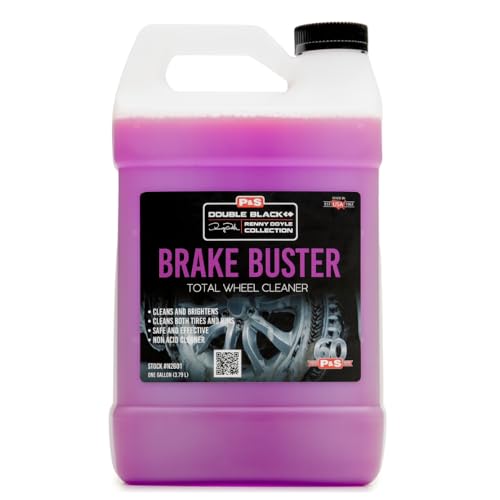
Before examining your wheels, assemble a basic diagnostic kit. You will need a high-intensity LED flashlight to spot micro-fractures, a soft-bristle detailing brush, and a pH-neutral cleaner to prevent chemical etching. Refer to our Wheel cleaner chemical composition comparison to ensure your solvents are safe for your specific finish.
Defining Your Wheel Type
Understanding whether your wheels are mass-produced cast alloys or premium forged pieces is the first step. Cast wheels often suffer from porosity issues, while premium forged wheels are denser but susceptible to different types of surface oxidation if the clear coat is breached.
Always perform an initial rinse to remove loose grit before applying any chemical agents; dry scrubbing is a leading cause of premature surface haze on all wheel types.
Core Concepts & Fundamentals
Material Science and Manufacturing
Alloy wheels are typically made from aluminum mixed with magnesium or nickel. Premium wheels often undergo a forging process, aligning the grain structure of the metal for higher tensile strength. Because of this, the "Common Problems with Alloy Wheels vs. Premium Wheels: Understanding the Difference and Fixes" discussion frequently centers on how these manufacturing choices dictate long-term durability under stress.
Surface Protection and Oxidation Dynamics
All wheels rely on a protective clear coat or powder coating. When this barrier fails, oxidation begins. You might notice a white powdery layer on alloy wheels, which is a classic indicator of aluminum oxidation. Understanding the progression of this decay is vital to preventing irreversible damage.
| Feature | Standard Alloy | Premium Forged |
|---|---|---|
| Density | Lower | High |
| Surface Porosity | Higher | Minimal |
| Oxidation Risk | Moderate | Low (if sealed) |
| Repairability | High | Moderate |
Step-by-Step Execution Guide
Phase 1: Deep Cleaning and Contaminant Removal
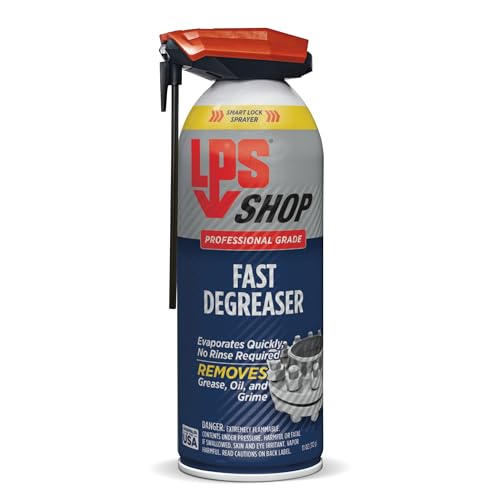
Cleanliness is the precursor to any successful inspection or repair. Begin by removing road film and brake dust using a dedicated wheel cleaner.
Phase 2: Surface Assessment and Minor Touch-Ups
Best Practices & Pro Tips
Maintaining Structural Integrity
To avoid the most common problems with alloy wheels vs. premium wheels, always monitor your torque specifications. Over-tightening lug nuts is a frequent cause of hairline cracks near the bolt holes, particularly in softer cast alloy wheels.
Long-Term Preservation Strategies
Proactive maintenance involves biannual deep cleans and the application of synthetic waxes. Avoid aggressive acidic cleaners at all costs, as they strip the protective clear coat and accelerate the oxidation cycle.
Troubleshooting & Common Pitfalls
Identifying Structural vs. Cosmetic Issues
Distinguishing between cosmetic blemishes and structural failures is critical. While surface discoloration can be fixed, bent or cracked rims require professional assessment. Never attempt to "weld" a crack at home as this can compromise the tempered strength of the alloy.
Common Restoration Errors
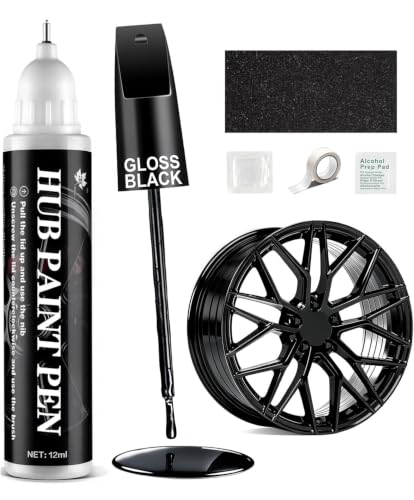
If you find that your restoration efforts fall short, consider learning how to fix curb rash at home using professional-grade kits designed for longevity.
Frequently Asked Questions
Can I fix deep cracks in alloy wheels myself?
A: No, cracks are structural failures. They require specialized heat treatment and welding by a certified professional to maintain safe operating conditions.
Is the white powder on my wheels rust?
A: It is actually aluminum oxidation. Aluminum doesn't rust like iron, but it does corrode when the protective surface layer is compromised.
How often should I clean my wheels?
A: For daily drivers, a bi-weekly wash is ideal to remove corrosive brake dust. High-performance cars may require weekly maintenance.
Are premium forged wheels truly stronger?
A: Yes, the forging process eliminates internal air bubbles and aligns the metal grain, making them significantly more resistant to impact damage than cast alloys.
Can I use wheel polish on all finishes?
A: No, some polishes contain abrasives that can ruin matte or satin finishes. Always check the label for compatibility.
Why do my wheels lose their shine so fast?
A: This is usually due to the loss of the clear coat. Once the clear coat is gone, the raw alloy is exposed to the elements and will dull quickly.
What is the best way to remove curb rash?
A: For minor cosmetic rash, fine-grit sanding and touch-up paint are effective. For deep gouges, a professional rim repair service is necessary.
Is it possible to restore silver rims?
A: Yes, with careful cleaning, light sanding, and the application of a high-quality silver wheel paint and clear coat, you can bring back the original luster.
Key Takeaways
- 1 Differentiating between cast and forged alloys helps predict maintenance needs.
- 2 Regular cleaning is the primary defense against oxidation.
- 3 Never use acidic cleaners; they strip protective coatings rapidly.
- 4 Structural issues like cracks require professional intervention, not DIY repair.
- 5 Always use pH-neutral soaps to preserve wheel finishes.
- 6 Protective sealants provide a critical barrier against road salt and brake dust.
- 7 Proper torque during wheel installation prevents bolt-hole stress.
Conclusion
Understanding the Common Problems with Alloy Wheels vs. Premium Wheels: Understanding the Difference and Fixes empowers you to take control of your vehicle's appearance. By knowing the limits of your materials and the correct maintenance protocols, you extend the life of your investment significantly.
Remember, the goal is consistent, gentle care rather than infrequent, aggressive restoration. With the right tools and a systematic approach, your wheels will remain a highlight of your vehicle's aesthetic.
Consistent maintenance today prevents major restoration headaches tomorrow.
📌 Pillar Resource: Read our complete Alloy Wheels vs. Premium Wheels: Understanding the Difference master hub for in-depth insights.