When navigating the decision between the Best Alloy Wheel Repair Kit : Fix Curb Rash at Home (2026) vs Alternatives, owners must weigh the balance of manual effort, aesthetic outcome, and overall cost-efficiency. Choosing the right path for rim restoration often comes down to your comfort level with automotive DIY and the severity of the damage.
Many vehicle owners struggle with this choice because market options for rim repair vary wildly in complexity and durability. While some kits offer a straightforward path to patching curb rash, professional alternatives or specialized mechanical removal methods might provide superior results for high-end alloy finishes.
This guide breaks down the technical differences, labor requirements, and long-term reliability of these options. By the end of this analysis, you will be equipped to select the restoration method that matches your skill level, your budget, and the specific needs of your wheel finish.
- Upfront cost comparison between DIY kits and professional services.
- Difficulty levels for common curb rash scenarios.
- Equipment requirements for professional-grade DIY results.
- Longevity and durability of filler-based repair versus material removal.
- Skill prerequisites for achieving a "showroom" finish.
Overview & Head-to-Head Summary
DIY Repair Kit Profiles
Modern alloy wheel repair kits typically focus on filling and color-matching minor surface abrasions. They are designed for accessibility, allowing the average car owner to perform spot repairs without removing the tire from the rim. These kits generally include epoxy fillers, specialized paints, and sanding blocks.
Professional and Mechanical Alternatives
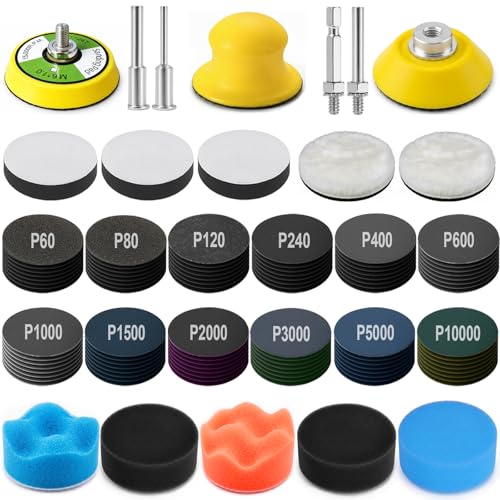
Alternatives range from professional refurbishment services to using sandpaper and drill fittings to clean wheel alloys. These methods prioritize structural integrity and precision, often involving metal grinding or powder coating to blend the repair seamlessly with the factory finish.
| Feature | DIY Repair Kit | Pro/Mechanical Alternatives |
|---|---|---|
| Cost | Low ($30-$60) | High ($150+) |
| Effort | Moderate | Low (Service) to High (Manual) |
| Finish Match | Varies (Can be tricky) | High (Professional Matching) |
| Suitability | Surface Scuffs | Deep Gouges/Structural |
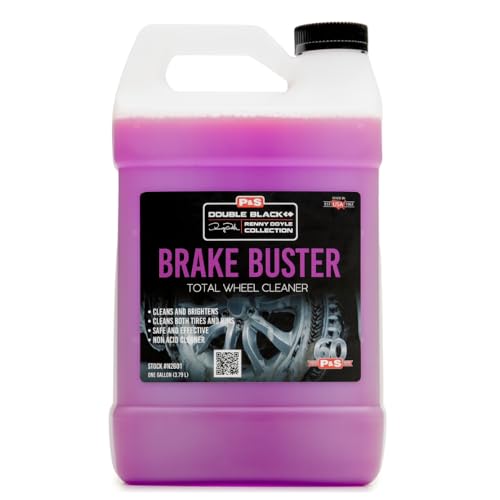
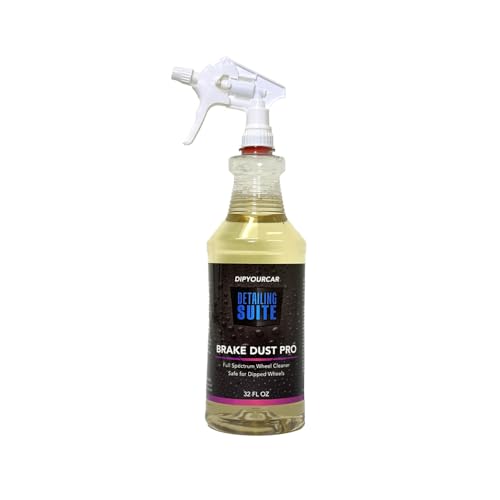
Before beginning any repair, ensure your wheels are cleaned thoroughly. Refer to our guide on how to clean alloy wheels to prevent contaminants from compromising your adhesive bond or paint finish.
Key Differences & Core Features
Application Methodology
The core distinction lies in the restorative approach. Repair kits use a "build-up" method, where a polymer-based putty fills the gap. Conversely, mechanical alternatives often use a "subtraction" method, where metal is sanded away to smooth the edge, or they rely on high-heat curing processes that require specialized equipment.
Durability and Weather Resistance
Mechanical refinishing, such as re-machining or powder coating, is chemically bonded or physically integrated with the metal. DIY kits, while durable, are susceptible to environmental degradation over time if the surface prep is not perfect, potentially leading to peeling or color mismatch under UV exposure.
| Criteria | DIY Kit | Mechanical Alternative |
|---|---|---|
| Bonding Agent | Epoxy/Polymer Putty | None (Physical Reshaping) |
| Finish Duration | 1-2 Years (Average) | Permanent (Factory Standard) |
| Required Tools | Included in Kit | Drills, Sanding Discs, Lathes |
Performance & Real-World Analysis
Evaluating Repair Complexity
Performance in real-world scenarios depends on your ability to mask the repair area. While kits are convenient, they require a steady hand for sanding and feathering edges. If the damage is deep, standard kits may struggle to hold, whereas how to remove curb scuffs from mag wheels often requires more aggressive techniques like wet sanding.
Long-Term Reliability
Over time, the key to lasting repair is surface cleanliness. If debris remains trapped, the repair will fail regardless of the method chosen. Follow these steps to analyze your repair success:
Success is generally achieved when the repair is flush with the original rim surface and the paint transition is feathered properly into the clear coat.
Best Use Cases & Ideal Scenarios
When Option A Makes More Sense
DIY repair kits are ideal for lease returns, minor cosmetic nicks, or temporary fixes where cost is the primary factor. If you have the patience for multi-stage sanding and painting, a high-quality kit provides excellent value for money.
When Option B Makes More Sense
Mechanical or professional restoration is better suited for high-performance wheels, deep structural gouges, or if you plan to keep the vehicle for many years. It provides a level of durability that DIY solutions simply cannot replicate on intricate designs.
When It Genuinely Doesn't Matter
If the damage is in an area of the wheel that is rarely seen or the car is an older "daily driver" where perfection is not expected, any basic kit will serve the purpose of preventing corrosion from exposing the raw metal.
Recommended Equipment & Solution

Wheel Scratch Fix® Light Silver Rim Touch
A reliable pick for Wheel Scratch Fix® Light Silver, selected based on this article's guidance.

Wheel Scratch Fix® Gloss Black Rim Touch
A reliable pick for Wheel Scratch Fix® Gloss Black, selected based on this article's guidance.
Final Verdict & Decision Framework
Quick Decision Checklist
To choose, ask yourself: Is the damage deeper than a coin's depth? If yes, consider professional repair. Is the damage strictly superficial and paint-deep? A DIY kit is likely your most efficient choice.
Our Framework for Choosing
| Goal | Recommended Path |
|---|---|
| Max Cost Savings | DIY Repair Kit |
| Showroom Precision | Professional/Refurb Service |
| Deep Structural Damage | Mechanical Removal/Lathe |
Frequently Asked Questions
Can I use a repair kit on diamond-cut wheels?
A: Most DIY kits are intended for painted alloys. Diamond-cut wheels require a lathe-based professional process, as they are not painted but machined.
How long does a DIY repair last?
A: With proper surface preparation, a kit-based repair can last 1-2 years or longer, depending on exposure to harsh elements.
Does curb rash affect wheel safety?
A: Shallow curb rash is usually aesthetic, but deep gouges that remove significant amounts of metal can affect structural integrity.
What is the biggest risk of DIY repair?
A: The primary risk is a poor color match or improper curing, which can make the wheel look worse than the original scuff.
Do I need to remove the wheel from the car?
A: While it is not strictly required, removing the wheel provides better angles for sanding and ensures a much higher quality finish.
Is professional repair worth the cost?
A: If you have high-value wheels or a new vehicle, the cost of professional repair is often offset by the preservation of the wheel's value.
Can I paint over the filler?
A: Yes, the filler is designed to be sanded flush and then primed and painted to match the rest of the wheel.
Will brake dust ruin a DIY repair?
A: Brake dust is abrasive and corrosive; keeping your wheels clean is essential to the longevity of any repair work.
Key Takeaways
- 1 DIY kits offer the most cost-effective solution for minor surface-level scuffs.
- 2 Deep structural damage should always be assessed by a professional technician.
- 3 Surface preparation is the single most important factor in repair durability.
- 4 Mechanical alternatives like lathe machining provide the best results for complex wheel finishes.
- 5 Always check if your specific alloy type is compatible with standard repair kits.
- 6 Environmental conditions like UV exposure can affect how long your repair remains color-matched.
- 7 Consistent maintenance prevents the need for major repairs in the future.
Conclusion
Choosing between the best alloy wheel repair kit and professional alternatives is a matter of matching your expectations with the depth of the damage. While DIY kits provide an accessible route for quick aesthetic improvements, professional services remain the gold standard for long-term durability and structural perfection.
By assessing the severity of your curb rash and your own comfort level with automotive work, you can confidently choose the method that best serves your vehicle.
Taking the time to evaluate your repair path now ensures your wheels remain both aesthetically pleasing and structurally sound for years to come.
📌 Pillar Resource: Read our complete complete Best Alloy Wheel Repair Kit : Fix Curb Rash at Home (2026) review for in-depth insights.