Understanding how to setup & use alloy wheels vs. premium wheels is essential for any car owner looking to balance aesthetics, performance, and long-term durability.
This guide is designed for automotive enthusiasts and DIY vehicle owners who want to move beyond basic maintenance. We assume a foundational level of mechanical comfort, such as knowing how to jack up a vehicle and clean wheel surfaces safely.
By the end of this guide, you will be able to distinguish between alloy and premium forged or composite wheels, identify the specific care requirements for each, and implement a maintenance routine that keeps your wheels in showroom condition.
- Material composition differences between alloy and premium wheels.
- The impact of weight and heat dissipation on performance.
- Specific cleaning and preservation techniques for different finishes.
- How to identify signs of structural degradation early.
- A comparative look at maintenance costs and long-term value.
Overview & Prerequisites
Required Tools and Knowledge
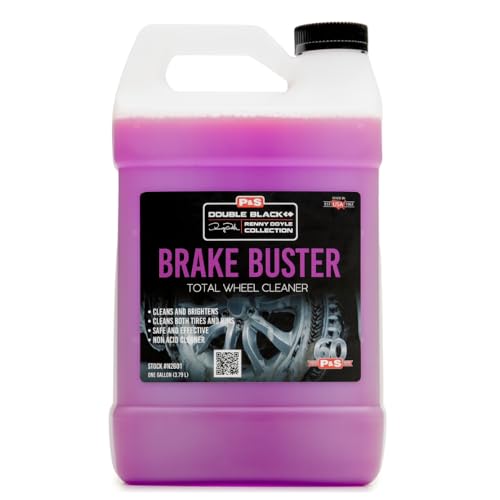
To properly maintain and manage your wheel setups, you will need basic supplies including a pH-neutral cleaner, a soft-bristled brush, and a microfiber applicator. Understanding the chemical composition of your cleaning agents is vital, as discussed in our guide on Wheel cleaner chemical composition comparison.
Defining Your Wheel Type
Before beginning, identify whether your vehicle uses cast alloy wheels—common for daily drivers—or premium forged/multi-piece wheels, which often require specialized care due to their complex finishes and assembly hardware.
Core Concepts & Fundamentals
Material Science and Weight Distribution
Alloy wheels are typically made from aluminum or magnesium combined with other elements to increase strength. Premium wheels often undergo a forging process that aligns the metal grain structure, offering superior strength-to-weight ratios compared to standard cast alloys.
Thermal Management and Performance
Heat dissipation is a critical factor in wheel performance. Premium, high-density alloy structures manage heat generated by high-performance braking systems more efficiently, whereas standard alloy wheels may be prone to fatigue under extreme track conditions. For those dealing with surface issues, our guide on White powdery layer on alloy wheels, what is it and how to fix it fast provides essential context on material reactions.
| Feature | Standard Alloy | Premium Forged |
|---|---|---|
| Construction | Cast Aluminum | Forged Aluminum/Magnesium |
| Durability | Moderate | High/Extreme |
| Maintenance | Standard | High (Requires specialized care) |
Step-by-Step Execution Guide
Preparation and Cleaning
Proper cleaning is the foundation of long-term wheel health. Begin by ensuring the wheels are cool to the touch before applying any chemical agent to prevent staining.
Maintenance and Protection
Once clean, apply a dedicated sealant to protect the finish. This is especially important for premium wheels, which often feature complex paint or polished surfaces.
Best Practices & Pro Tips
Establishing a Routine
Consistency is key. A weekly wash prevents the buildup of corrosive brake dust that can permanently pit aluminum surfaces. If you notice curb damage, addressing it promptly is vital; consult our guide on the Best Alloy Wheel Repair Kit for DIY fixes.
Long-Term Preservation
During winter months, use specialized protection to combat road salt, which is the primary cause of oxidation on alloy wheels.
Troubleshooting & Common Pitfalls
Identifying Surface Damage
Not all discoloration is permanent. Identify if your issue is surface oxidation or a deeper structural failure.
Common Repairable Issues
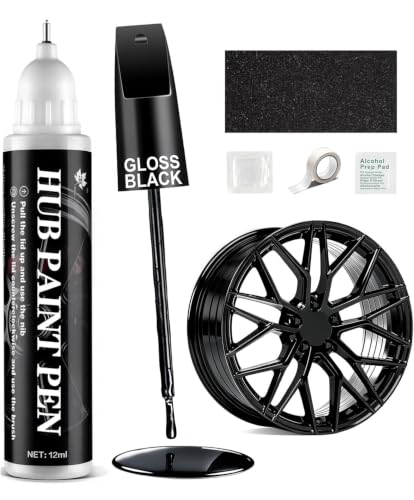
If you see a haze on your black rims, you may be able to correct it with the methods found in our guide on removing oxidation from gloss black wheels.
Frequently Asked Questions
Are premium wheels stronger than standard alloys?
A: Yes, forged premium wheels are generally stronger and lighter due to the grain-refinement process, though they come at a higher cost.
Can I use automatic car wash brushes on my wheels?
A: It is generally advised to avoid them as they can leave deep scratches and swirl marks on delicate finishes.
How often should I seal my alloy wheels?
A: For best results, reapply a high-quality wheel sealant every 3 to 6 months depending on local road conditions.
What is the safest way to clean chrome-finished wheels?
A: Use only mild, pH-neutral soap and water to avoid stripping the delicate chrome plating.
Do premium wheels require different lug nuts?
A: Often, yes; they may require specific seat types (conical vs. ball) depending on the wheel manufacturer.
Why do my wheels look hazy after washing?
A: This is often due to soap residue or mineral deposits from hard water drying on the surface.
Is it worth repairing a bent alloy wheel?
A: If the bend is minor, it can sometimes be professionally straightened, but severe structural damage usually warrants replacement for safety.
Can I use the same cleaner for all my wheels?
A: No, you should always check the manufacturer's recommendation to avoid chemical reactions on specialized finishes.
Key Takeaways
- 1 Standard alloys are cast, while premium wheels are often forged for superior weight and strength characteristics.
- 2 Never use abrasive brushes on gloss finishes to prevent long-term damage.
- 3 pH-neutral cleaners are the gold standard for maintaining clear coats.
- 4 Consistent maintenance prevents the formation of permanent, difficult-to-remove brake dust buildup.
- 5 Ceramic sealants offer the best protection against environmental contaminants.
- 6 Always assess the finish of your wheels before selecting a cleaning product.
- 7 Proactive care is significantly cheaper than professional wheel refinishing.
Conclusion
Understanding the distinction between wheel types is the first step toward effective vehicle maintenance. Whether you are rocking standard cast alloys or premium forged pieces, the principles of regular cleaning, proper chemical selection, and protective sealing remain the universal keys to longevity.
By applying these expert-led techniques, you can ensure your wheels remain a highlight of your vehicle's aesthetic while maintaining peak performance safety. Practice these steps consistently, and you will see a marked difference in the clarity and durability of your wheel finish.
Take pride in your wheel maintenance, and your vehicle will thank you with years of brilliant, reliable performance.
📌 Pillar Resource: Read our complete main Alloy Wheels vs. Premium Wheels: Understanding the Difference guide for in-depth insights.