Navigating the complexities of automotive upgrades requires a clear grasp of Alloy Wheels vs. Premium Wheels: Understanding the Difference Sizing & Specs Checklist to ensure your vehicle remains safe, efficient, and aesthetically balanced.
This guide is designed for automotive enthusiasts and DIY mechanics who want to move beyond surface-level aesthetics. We assume a fundamental knowledge of basic vehicle maintenance, such as changing a flat tire, and focus on the technical rigors of wheel geometry.
By the end of this guide, you will be able to interpret manufacturer specifications, calculate offset and bolt patterns, and select wheels that match your vehicle's engineering requirements without compromising performance or safety.
- Distinguishing between cast, flow-formed, and forged manufacturing processes.
- The critical impact of "unsprung weight" on suspension longevity.
- Reading and verifying bolt pattern, center bore, and offset (ET).
- Why "Premium" often refers to material density and manufacturing method rather than just price.
- How to audit your current setup using a standardized sizing checklist.
Overview & Prerequisites
Technical Requirements for Wheel Assessment
Before modifying your wheel setup, you must have access to a reliable digital caliper, a torque wrench, and your vehicle's factory service manual. Understanding the specific load rating requirements for your chassis is essential to avoid structural failures.
Defining Your Objective
Are you looking to improve handling through reduced rotational mass, or are you prioritizing aesthetic depth? Knowing your goal helps dictate whether you need standard alloy replacements or high-end premium forged wheels. If you notice signs of damage, you may first want to review Is it possible to restore silver rims? A DIY Guide to Bringing Back the Shine to determine if restoration is a viable alternative to replacement.
Always verify the "clearing" capacity of your brake calipers before committing to a new wheel design. Many attractive designs feature aggressive spoke geometry that may conflict with performance braking systems.
Core Concepts & Fundamentals
Manufacturing Processes: The Hierarchy of Quality
The term "Alloy" simply denotes a metal mixture, usually aluminum. "Premium" wheels are typically characterized by forging or flow-forming processes which increase molecular density. This structural integrity allows for a thinner, lighter barrel that maintains high load capacity. Understanding how your wheels are made is essential before dealing with surface maintenance, such as addressing a White powdery layer on alloy wheels.
Key Geometric Measurements
The difference between a "fit" and a "hazard" lies in the math. Key metrics include the Pitch Circle Diameter (PCD), backspacing, and center bore diameter. Using hub-centric rings to bridge the gap between wheel and hub is a common practice for aftermarket fitments.
| Metric | Correct Approach | Incorrect Approach |
|---|---|---|
| Offset (ET) | Matches hub scrub radius requirements | Causes excessive bearing wear/rubbing |
| Load Rating | Exceeds vehicle's max axle weight | Lower than OEM specification |
| Hardware | Uses appropriate shank/seat type | Mixing lug nut seat profiles |
Step-by-Step Execution Guide
Preparation Phase: Auditing Current Specs
Before installing new wheels, document your current setup. Measure the distance from the tire shoulder to the inner fender liner to determine how much "poke" or "tuck" you can accommodate.
Installation Phase: The Verification Process
Best Practices & Pro Tips
Maintaining Structural Integrity
Even premium forged wheels require regular inspection. Look for micro-cracks near the lug holes or bends in the inner barrel, often caused by harsh road conditions.
Cleaning and Surface Care
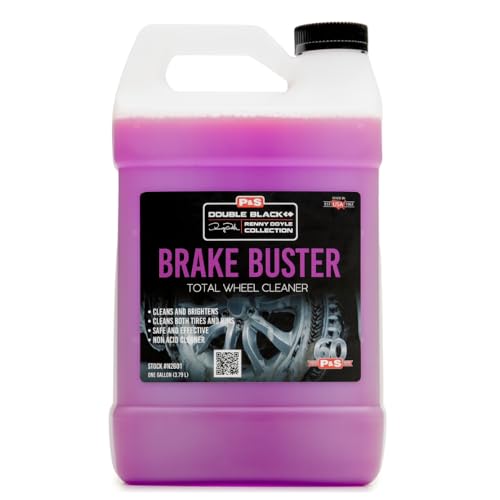
Avoid harsh acidic cleaners that can strip protective clear coats. Always refer to a guide on Wheel cleaner chemical composition comparison to keep your finish pristine.
Troubleshooting & Common Pitfalls
Identifying Vibration Sources
Vibration is the most common symptom of improper fitment. If you feel a shimmy in the steering wheel at speed, the cause is often a lack of hub-centricity or an improperly balanced tire/wheel assembly.
Managing Cosmetic Damage
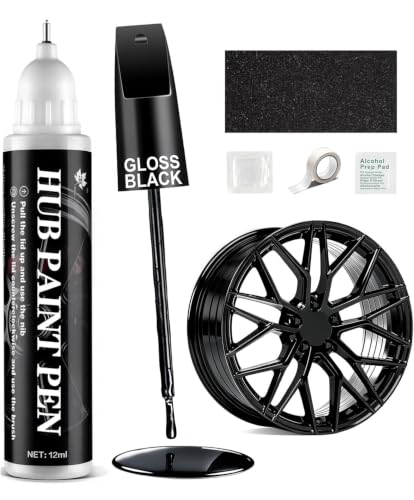
If you encounter surface issues, remember that minor curb rash can often be handled at home. For more detailed instructions on fixing such issues, see our guide on the Best Alloy Wheel Repair Kit.
Frequently Asked Questions
What is the main difference between cast and forged wheels?
A: Forged wheels are compressed under extreme pressure, resulting in a denser, stronger, and lighter metal structure compared to cast alloys.
Can I use stock lug nuts on aftermarket wheels?
A: Generally no; aftermarket wheels often require different lug seat shapes, such as conical or acorn, to seat correctly.
What is a hub-centric ring?
A: It is a spacer used to fill the gap between the wheel's center bore and the vehicle's hub, ensuring the wheel is perfectly centered.
Does offset affect handling?
A: Yes, changing the offset alters the scrub radius, which can significantly change steering feedback and chassis responsiveness.
How often should I check my wheel torque?
A: You should check your wheel lug torque after the first 50 miles following any installation and during every routine oil change.
What causes "brake dust" buildup?
A: It is a combination of metallic particles from the pads and carbon from the friction process, which becomes corrosive if left on the wheel.
Can I run wider wheels than stock?
A: Yes, provided you have sufficient inner clearance to the suspension and outer clearance to the fender roll.
Are expensive wheels always better?
A: Not necessarily, but "premium" often implies higher manufacturing standards, better finish quality, and specific load testing.
Key Takeaways
- 1 Always cross-reference your vehicle's specific bolt pattern and center bore.
- 2 Prioritize load ratings; never install wheels that cannot support your vehicle's weight.
- 3 Hub-centricity is non-negotiable for smooth driving at highway speeds.
- 4 Use a torque wrench—never rely on the "feel" of an impact gun.
- 5 Inspect the inner barrels regularly for signs of fatigue or debris buildup.
- 6 Clean your wheels using pH-neutral chemicals to protect the clear coat.
- 7 When in doubt, consult a professional alignment shop to verify your new setup.
Conclusion
Choosing the right wheels is a balance of engineering precision and personal style. By understanding the manufacturing differences and strictly adhering to the technical specifications outlined in this guide, you can confidently upgrade your vehicle while maintaining safety and performance.
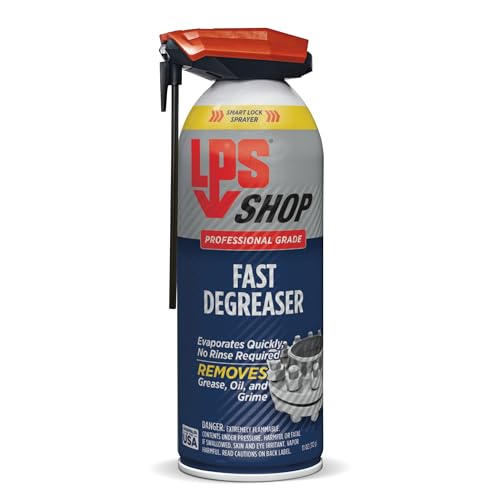
Remember that the wheels are the only point of contact between your car and the road. Never cut corners on hardware quality or geometric verification. For those tackling stubborn grime, remember to consult our guide on how to Remove grease and asphalt from aluminum wheels to keep your investment in top condition.
Precision in the garage today leads to safety and performance on the road tomorrow.
📌 Pillar Resource: Read our complete our Alloy Wheels vs. Premium Wheels: Understanding the Difference resource for in-depth insights.