Navigating the distinction of Alloy Wheels vs. Premium Wheels: Understanding the Difference Sizing & Specs Checklist is essential for any vehicle owner looking to balance performance, aesthetics, and structural integrity.
This guide is designed for automotive enthusiasts and DIYers who possess a basic understanding of vehicle maintenance. We assume you are comfortable using standard hand tools and have access to your vehicle’s manufacturer specifications manual.
By the end of this deep dive, you will be able to interpret complex wheel specifications, determine the suitability of alloy versus premium (forged or hybrid) options for your driving style, and verify fitment requirements with professional accuracy.
- Material composition differences between cast alloys and premium forged units.
- Decoding bolt patterns, offset, and center bore specifications.
- The impact of wheel weight on unsprung mass and handling.
- Common maintenance requirements for various wheel finishes.
- How to perform a baseline inspection before choosing an upgrade.
Overview & Prerequisites
Required Tools and Knowledge
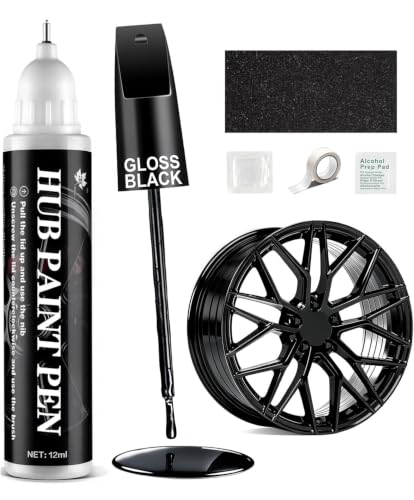
To begin, you will need a reliable torque wrench, a digital caliper for measuring hub diameters, and your vehicle’s technical manual. Understanding the difference between cast and forged aluminum is the first step in this process. For those looking to maintain their current set, refer to Is it possible to restore silver rims? A DIY Guide to Bringing Back the Shine.
Defining Your Objectives
Determine whether your priority is street performance, track durability, or visual enhancement. A premium wheel often utilizes advanced manufacturing processes like flow-forming or full forging, which impacts structural integrity significantly compared to entry-level alloy castings.
Core Concepts & Fundamentals
Material Science and Manufacturing
Standard alloy wheels are typically gravity or low-pressure cast. Premium wheels often utilize forged construction, which aligns the grain structure of the metal to provide superior strength-to-weight ratios. Understanding this distinction is vital to grasping why premium options handle track stress differently than standard alloys.
Understanding Geometry and Offset
Specs such as backspacing, offset (ET), and center bore are non-negotiable. If you notice a white powdery layer on alloy wheels, it often indicates surface oxidation that may affect seal integrity, emphasizing the need for correct material selection based on your local climate.
| Feature | Standard Alloy Model | Premium/Forged Model |
|---|---|---|
| Manufacturing | Casting | Forging/Flow-Forming |
| Weight | Higher (Heavier) | Lower (Lighter) |
| Durability | Moderate/Daily Use | High/Performance Use |
Step-by-Step Execution Guide
Preparation and Measurement
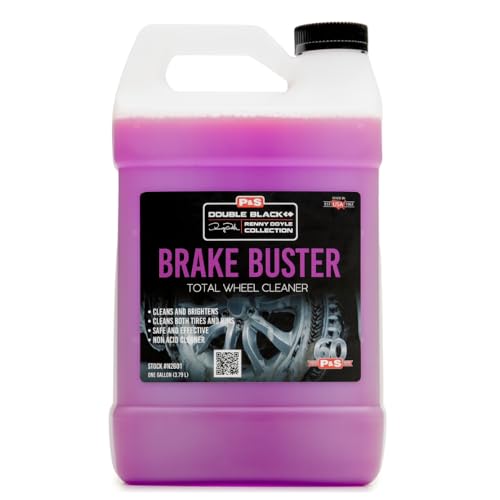
Before installation, clean the mounting surface of your hub thoroughly. Using proper wheel cleaner chemical composition ensures no residue interferes with the hub-centric fit.
Installation and Verification
Best Practices & Pro Tips
Maintaining Structural Integrity
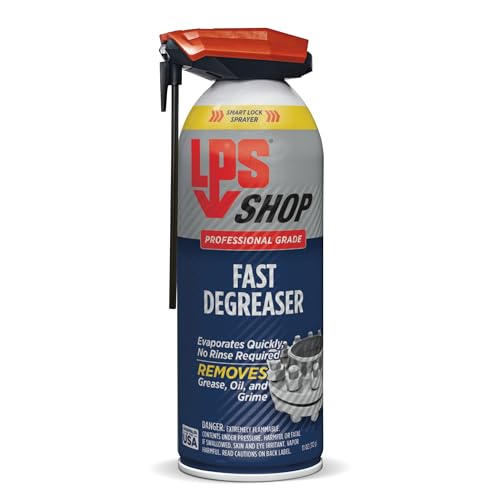
Avoid harsh chemical cleaners on custom-finished premium wheels. For difficult debris, learn how to remove grease and asphalt from aluminum wheels using non-abrasive methods to preserve the protective clear coat.
Long-term Performance Tracking
Troubleshooting & Common Pitfalls
Identifying Vibration Sources
If you experience vibrations after installation, re-check the wheel balance and hub-centric fitment. It is rarely the wheel itself, but often a centering issue.
Addressing Surface Wear
Frequently Asked Questions
Are forged wheels always better?
A: They are stronger and lighter, but for daily commuting, standard alloys are often more than sufficient and more cost-effective.
What does offset mean?
A: Offset is the distance from the mounting surface to the centerline of the wheel; it determines how much the wheel sits inward or outward.
Can I use stock lug nuts on aftermarket wheels?
A: Generally no, as most aftermarket wheels require a different seating angle for the lug nut.
How often should I balance my tires?
A: You should balance your tires whenever you notice a vibration or at least every 5,000 miles.
Does wheel weight affect fuel economy?
A: Yes, reducing unsprung mass through lighter premium wheels can incrementally improve both acceleration and fuel efficiency.
How do I know if a wheel is hub-centric?
A: A hub-centric wheel fits tightly against the vehicle's hub, whereas a lug-centric wheel relies entirely on the lug nuts for centering.
What causes wheels to crack?
A: Excessive impact from potholes or running tires with extremely low profiles can cause structural fatigue over time.
Should I use wheel spacers?
A: Spacers are tools to adjust fitment, but they must be high-quality, hub-centric units to avoid safety issues.
Key Takeaways
- 1 Always verify the bolt pattern and center bore before purchasing.
- 2 Premium wheels offer weight advantages, while cast alloys provide cost-effective reliability.
- 3 Proper torque procedures are critical for safety and preventing hub damage.
- 4 Hub-centric rings are mandatory if the wheel bore is larger than the hub.
- 5 Regular cleaning cycles prevent oxidation and clear-coat failure.
- 6 Never ignore persistent vibrations after new wheel installation.
- 7 Always consult your manufacturer's load rating before upgrading.
Conclusion
Understanding the distinction between wheel types is about more than just aesthetics; it is about ensuring your vehicle handles as intended. By focusing on correct specs and maintenance, you extend the life of your wheels significantly.
If you encounter ongoing issues with appearance or material degradation, remember that most surface-level problems can be managed with the right products and techniques found in our archive.
With careful preparation and attention to technical specifications, you can safely optimize your vehicle's performance and appearance.
📌 Pillar Resource: Read our complete our Alloy Wheels vs. Premium Wheels: Understanding the Difference resource for in-depth insights.