Deciding between How to Repaint Alloy Wheels: A Complete Step-by-Step DIY Guide vs Alternatives is a common dilemma for vehicle owners looking to restore their rim aesthetics. Whether you are dealing with minor curb rash or widespread finish degradation, choosing the right path depends on your budget, time, and technical comfort level.
Many drivers are unsure whether the investment in professional powder coating provides enough value to justify the cost over a well-executed DIY spray job. While DIY painting is cost-effective, professional services offer industrial-grade durability that is hard to replicate in a residential garage setting.
This guide breaks down the technical requirements, long-term performance expectations, and cost-benefit ratios of both methods. By the end, you will have a clear framework to choose the restoration method that aligns with your specific vehicle needs and skill set.
- Upfront cost comparison of materials vs professional labor.
- Time investment for surface preparation and curing.
- Long-term durability and resistance to brake dust.
- Level of technical expertise required for a factory finish.
- Potential risks and impact on wheel structural integrity.
Overview & Head-to-Head Summary
The DIY Restoration Approach
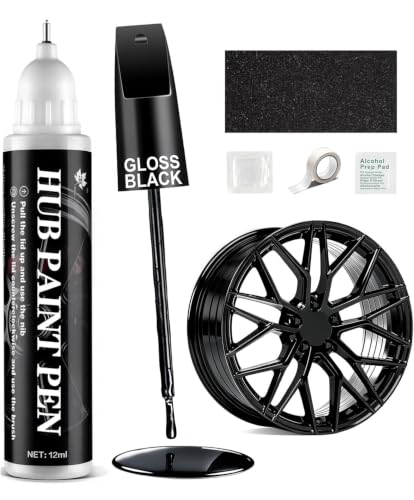
The DIY approach involves sanding, priming, and applying specialized spray coatings. It is an accessible method that focuses on aesthetic improvement for the budget-conscious enthusiast, provided they have a well-ventilated space and the patience to follow proper restoration techniques.
The Professional Finishing Approach
Professional services, such as powder coating or chemical stripping and refinishing, utilize industrial ovens and professional-grade spray booths. This process generally results in a harder, more chip-resistant shell that stands up better to daily road wear.
| Feature | DIY Paint | Professional Finish |
|---|---|---|
| Estimated Cost | Low | High |
| Time Required | 1-2 Days | 3-5 Days |
| Durability | Moderate | Excellent |
| Skill Needed | Moderate/High | Professional Only |
Always evaluate if you are simply dealing with surface oxidation. If you notice a white powdery layer on your alloy wheels, it may be oxidation that can be treated without a full repaint.
Key Differences & Core Features
Chemical Composition and Adhesion
Professional powder coating creates a polymer bond that is chemically superior to standard aerosol paints. While DIY kits offer high-quality automotive-grade sprays, they remain surface-level coatings that can be more susceptible to stone chips if the primer layer isn't perfect.
Labor and Environmental Control
The biggest difference lies in the environment. Pros use clean rooms to prevent dust contamination, whereas a DIY guide requires you to manage your own workspace to keep debris out of the wet clear coat. If you are struggling with haze on your wheels, professional equipment ensures a consistent finish that is difficult to match by hand.
| Aspect | DIY | Professional |
|---|---|---|
| Tooling | Basic (Sandpaper/Masking) | Industrial (Blasting/Ovens) |
| Curing | Air Dry | Oven Baked |
| Finish Consistency | User-dependent | Guaranteed/Uniform |
Performance & Real-World Analysis
Evaluating Surface Preparation
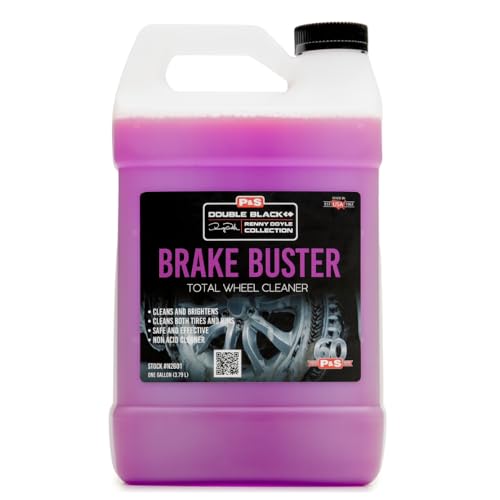
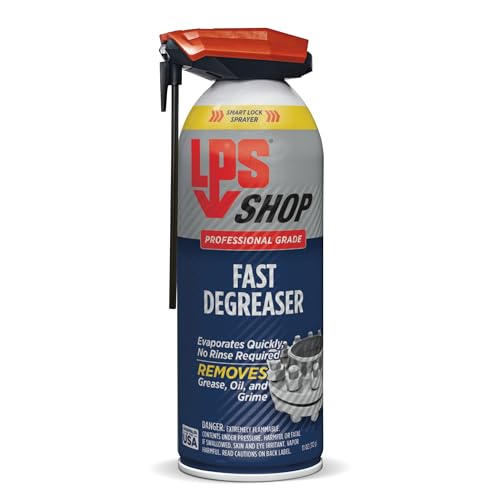
No matter which method you choose, performance depends entirely on prep. You must strip old layers and ensure the metal is perfectly clean.
Assessing Structural Integrity
Before painting, check for structural cracks. If the wheel has curb rash, it must be repaired first using a reliable alloy wheel repair kit before any color is applied.
Long-Term Reliability
Performance in real-world scenarios confirms that while DIY is excellent for visual touch-ups, professional services remain the standard for long-term protection against the elements.
Best Use Cases & Ideal Scenarios
When Option A (DIY) Makes More Sense
DIY is perfect for minor cosmetic refreshers, seasonal color changes, or when you are on a strict budget and have the time to dedicate to the craft. It is the best choice for classic car hobbyists who prefer hands-on maintenance.
When Option B (Professional) Makes More Sense
Professional services are recommended for newer vehicles, wheels with significant structural damage that requires professional repair, or scenarios where maximum longevity and a factory-standard finish are required.
When It Genuinely Doesn't Matter
If the vehicle is an older daily driver nearing the end of its life, or if you plan to replace the wheels within the next year, the finish longevity may not be as critical as the immediate visual improvement.
Final Verdict & Decision Framework
Quick Decision Checklist
To finalize your choice, identify your primary constraint. If cost is the driver, stick to DIY; if quality and time-savings are the drivers, seek a professional shop.
Our Framework for Choosing
| Your Goal | Recommended Path |
|---|---|
| Budget Restoration | DIY |
| Highest Durability | Professional |
| Learning New Skills | DIY |
| Leased Vehicle/Resale Value | Professional |
Frequently Asked Questions
Can DIY paint last as long as powder coating?
A: Generally, no. Powder coating is thermally cured to the metal, providing a level of chemical bond and hardness that air-dried spray paints cannot match.
Do I need to remove the tires to paint wheels?
A: It is highly recommended to remove the tires to ensure complete coverage of the inner rim and to prevent paint from bonding the tire bead to the wheel.
Is it possible to paint over curb rash?
A: You can, but it will look worse. You must sand and fill the curb rash flush with the rest of the wheel surface before applying any primer or paint.
How long does a DIY paint job take?
A: Depending on your experience, expect to spend an entire weekend dedicated to the process, including cleaning, sanding, masking, painting, and drying time.
What safety gear is mandatory for DIY?
A: You must wear a high-quality respirator, eye protection, and gloves, as automotive paints contain solvents that can be harmful when inhaled or touched.
Will painting my wheels affect my warranty?
A: In many cases, yes. Modifying factory wheels can void structural or finish warranties provided by the wheel or vehicle manufacturer.
Can I use standard spray paint from a hardware store?
A: It is strongly advised against. Automotive-specific wheel paint is engineered to withstand heat from braking and is more flexible to handle the thermal expansion of the alloy.
How do I know if my wheels are too damaged?
A: If the wheel has deep cracks, flat spots, or structural bends, you should seek professional repair rather than attempting to hide damage with paint.
Key Takeaways
- 1 DIY restoration is the most cost-effective solution for cosmetic improvements.
- 2 Professional powder coating offers superior durability against road salt and brake dust.
- 3 Surface preparation is the single most important factor for any restoration job.
- 4 Structural damage should always be evaluated by a professional regardless of paint choice.
- 5 DIY projects require significant time and proper safety equipment.
- 6 Factory finishes are difficult to perfectly replicate without specialized spray booths.
- 7 The decision rests on the balance between your budget and the desired lifespan of the finish.
Conclusion
Choosing between a DIY repaint and professional service is a trade-off between labor and capital. If you enjoy the process of vehicle maintenance and are looking to revitalize older rims, the DIY route offers a rewarding and economical path. However, for those seeking a long-term, high-durability finish that withstands harsh driving conditions, professional powder coating remains the superior, albeit more expensive, investment.
By assessing your specific wheel damage and the long-term goals for your vehicle, you can confidently choose the method that ensures your rims maintain their shine for years to come.
For further restoration tips, consult our guide on restoring silver rims to match your desired aesthetic.