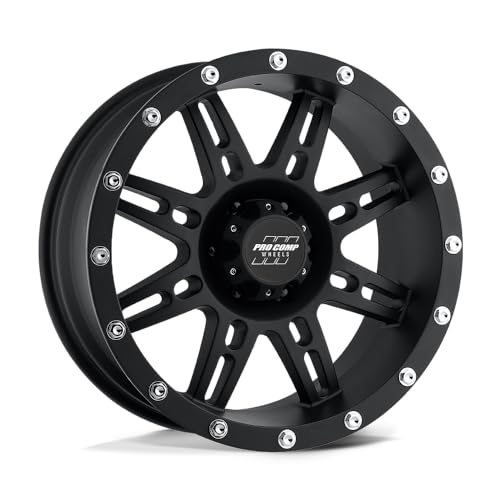
Are your alloy wheels looking tired, scuffed, or faded? Damaged wheels can detract from your car’s overall appearance, but a professional refurbishment can be costly. The good news is that with a bit of patience and the right materials, you can achieve a professional-looking finish yourself. Repainting your alloy wheels is a rewarding DIY project that can dramatically improve your vehicle’s look.
This comprehensive guide will walk you through every step of the process, from removing the wheels to applying the final protective clear coat, ensuring you have all the information needed for a flawless finish.

Why Repaint Your Alloy Wheels?
Repainting your alloy wheels offers several benefits beyond just aesthetics:
- Cost Savings: DIY repainting is significantly cheaper than paying for a professional powder coating or wheel refurbishment service.
- Restored Appearance: It completely covers up curb rash, scratches, chips, and fading, making your wheels look brand new.
- Protection: A fresh coat of paint and clear coat adds a new protective layer against salt, brake dust, and road grime, which helps prevent corrosion.
- Customization: It’s a great opportunity to change the color of your wheels to match your personal style, whether you prefer classic silver, sleek black, or a custom color.
Tools and Materials Needed
Gathering all your tools and materials before you begin will make the process much smoother. Here’s what you’ll need:
- Safety Gear: Safety glasses, respirator mask, nitrile gloves.
- For Removal & Cleaning: Jack and jack stands, lug wrench, wheel cleaner or degreaser, various brushes, bucket, microfiber cloths.
- For Preparation: Sandpaper (various grits, e.g., 180, 400, and 800), masking tape, index cards or playing cards, wax and grease remover.
- For Painting: High-quality wheel-specific spray paint system, including:
- Self-Etching Primer (for bare metal)
- High-Build Primer (to fill in minor imperfections)
- Your chosen Color Coat
- 2K Clear Coat (for a durable, chemical-resistant finish)
How to Repaint Alloy Wheels: A Step-by-Step Guide
Follow these steps carefully for the best possible results. Rushing the preparation will lead to a poor finish, so take your time!
Step 1: Safety First & Wheel Removal
Work in a well-ventilated area, preferably outdoors or in an open garage. Always wear your safety glasses, mask, and gloves. Safely jack up your car according to the owner’s manual and secure it with jack stands. Never work on a car supported only by a jack. Once secure, use a lug wrench to remove the wheels.
Step 2: Thorough Cleaning
This is one of the most critical steps. Spray the wheels generously with a quality wheel cleaner or degreaser. Use various brushes to scrub every surface, including the face, the spokes, and the inner barrel. Rinse thoroughly with water and dry completely with microfiber cloths. Any remaining dirt, brake dust, or grease will prevent the paint from sticking properly.
Step 3: Sanding and Preparation
The goal of sanding is to remove imperfections and create a smooth surface for the paint to adhere to. Start with a lower grit sandpaper (like 180 or 240) to feather out any curb rash or deep scratches. Once the major blemishes are gone, move to a finer grit (400) to smooth the entire wheel surface. Finally, you can wet-sand with 800-grit paper for an ultra-smooth finish. After sanding, wipe down the wheel to remove all dust.

Step 4: Masking the Tire
To protect your tires from overspray, you need to mask them off. A popular and effective method is to tuck index cards or playing cards into the gap between the wheel rim and the tire bead, creating a continuous barrier around the wheel. You can also use masking tape and paper, but the card method is often faster and cleaner.
Step 5: Final Wipe-Down
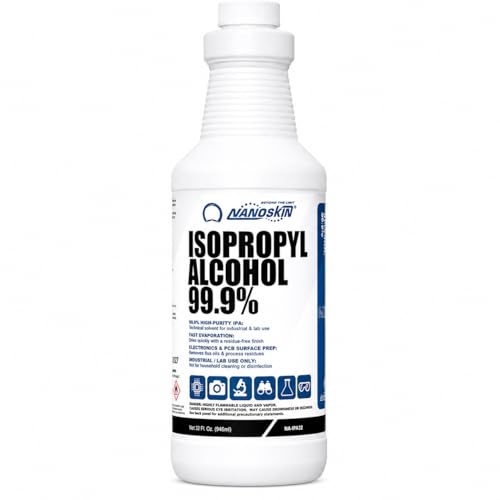
Before you apply any paint, do a final cleaning. Spray a wax and grease remover onto a clean microfiber cloth and wipe down the entire surface of the wheel. This removes any final contaminants, including oils from your fingerprints, ensuring perfect paint adhesion.
Step 6: Apply Primer
Shake the primer can well. Apply 2-3 light, even coats of primer to the wheel, waiting 10-15 minutes between each coat. Don’t try to get full coverage on the first coat. Building up thin layers prevents runs and ensures a smooth base. If you sanded down to bare metal, make sure your first coat is a self-etching primer.
Step 7: Apply the Color Coat
After the primer is dry (check the can for instructions), you can apply your color coat. Use the same technique as the primer: shake the can well and apply 2-4 thin, even coats. Allow the recommended drying time between coats. Maintain a consistent distance from the wheel as you spray to avoid blotches.
Step 8: Apply the Clear Coat
The clear coat is essential for protecting the color from chipping, UV rays, and chemicals. For the best durability, use a 2K (two-part) clear coat. Follow the instructions to activate the can. Apply 2-3 wet, even coats, allowing sufficient time between each. The clear coat will give the wheel its final gloss and protective shell.
Step 9: Curing and Reinstallation
Patience is key here. The paint needs to fully cure before you handle it extensively. Let the wheels sit in a clean, dry, dust-free area for at least 24-48 hours (or as directed by the paint manufacturer). Once fully cured, carefully remove the masking cards/tape and reinstall the wheels on your car. Be sure to torque the lug nuts to the manufacturer’s specified rating.
While repainting can fix cosmetic issues, it’s important to know the difference between cosmetic damage and structural problems. [Internal Link to Hub Page Here] to learn more about when a wheel needs professional repair or replacement.


Frequently Asked Questions (FAQ)
What is the best paint to use for alloy wheels?
The best option is a paint system specifically designed for automotive wheels. Look for kits or individual cans of high-quality self-etching primer, an acrylic or urethane-based color coat, and a durable 2K clear coat. This combination provides the best adhesion, finish, and resistance to brake dust and road debris.
Can I repaint my wheels without taking them off the car?
While technically possible, it is highly discouraged. Leaving the wheels on the car makes it extremely difficult to clean and prep them properly. More importantly, you risk getting overspray on your brake calipers, rotors, and car body, which can be difficult to remove and may damage the finish.
How long will a DIY paint job on alloy wheels last?
The longevity of the paint job depends almost entirely on the quality of the preparation. If you clean, sand, and prime the wheels correctly and use a high-quality 2K clear coat, the finish can last for several years. A rushed job with poor prep may start to chip or peel within a few months.
Conclusion
Repainting your alloy wheels is an excellent weekend project that can transform the look of your vehicle without breaking the bank. The secret to a durable, professional-looking finish lies not in the final spray of color, but in meticulous and patient preparation. By following the steps outlined above, you can restore your wheels to their former glory and enjoy the satisfaction of a job well done.