Understanding your vehicle’s Tyre Load Rating Chart is an essential skill for every driver, as it directly impacts your safety, vehicle handling, and tire longevity on the road.
This guide is designed for car owners and automotive enthusiasts who want to move beyond basic maintenance. We assume a foundational understanding of vehicle ownership but require no specialized engineering background to master these safety standards.
By the end of this guide, you will be able to decode any tire sidewall, verify compatibility with your vehicle's Gross Axle Weight Rating (GAWR), and confidently select replacements that meet manufacturer requirements.
- How to locate the load index on your tire sidewall.
- The relationship between PSI and load capacity.
- Interpreting the standardized Tyre Load Rating Chart values.
- Identifying the difference between Standard Load and Extra Load ratings.
- How safety and handling are affected by incorrect load choices.
Overview & Prerequisites

What You Will Need
To verify your current load rating, you need a flashlight to read the sidewall markings, your vehicle's owner's manual for factory specifications, and a digital tire pressure gauge. Regularly monitoring your pressure is vital to maintaining the load integrity of your tires, as outlined in our guide on How To Check Tire Pressure: The Step-by-Step Guide for Better Fuel Economy.
Who This Guide Is For
This guide is intended for DIY drivers who handle their own vehicle maintenance or wish to make informed decisions when purchasing replacement tires. Whether you are driving a compact commuter or a heavy-duty hauler, understanding these specifications is critical for safety.
Tip: Always prioritize the manufacturer’s recommended load index found on the tire placard inside the driver’s side door jamb rather than just the number printed on the existing tires.
Core Concepts & Fundamentals
Decoding the Load Index Number
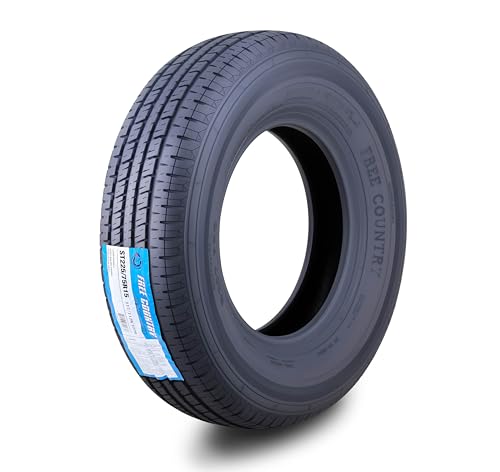
The load index is a numerical code (ranging from 70 to 126 in passenger vehicles) that correlates to the maximum weight a single tire can support at its maximum air pressure. It is not an arbitrary number but a standardized index verified through global testing protocols.
Safety Margins and Vehicle Weight
The Tyre Load Rating Chart provides a baseline, but the total weight of your vehicle is dynamic. When selecting tires, you must ensure the sum of the load capacities of all four tires exceeds your vehicle's maximum loaded weight to maintain a safe operating margin.
| Feature | Correct Mental Model | Incorrect Mental Model |
|---|---|---|
| Load Index | Weight limit at max PSI | A suggestion of tire durability |
| Max Capacity | Vehicle GVWR divided by 4 | Weight of the vehicle alone |
| Safety | Matching factory specs | Choosing for looks only |
Before changing your wheel setup, ensure you understand how rim maintenance affects your safety as discussed in our Iron Removal Guide and Specifications.
Step-by-Step Execution Guide

Preparation Phase
Locate the tire information placard on the driver-side door jamb. This contains the manufacturer's required load index and pressure recommendations. Never rely solely on the markings found on your current tires, as previous owners may have installed mismatched equipment.
Execution Phase
Recommended Equipment & Solution

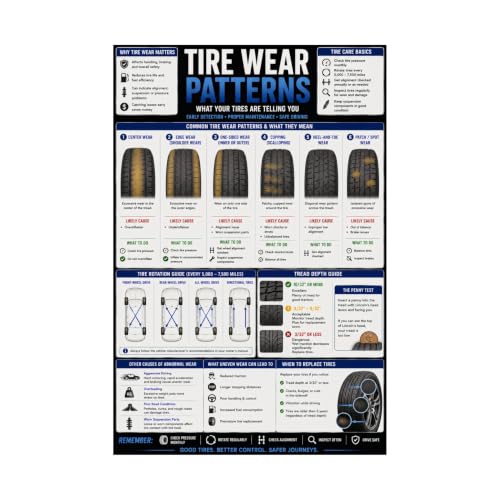
Tire Load Index Pounds Reference Chart Poster
A reliable pick for Tire Load Index Pounds Reference, selected based on this article's guidance.

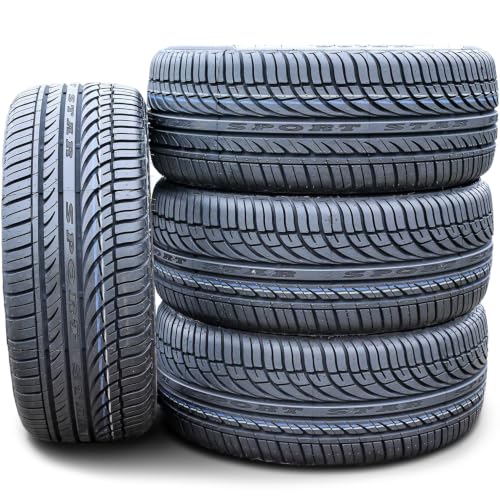
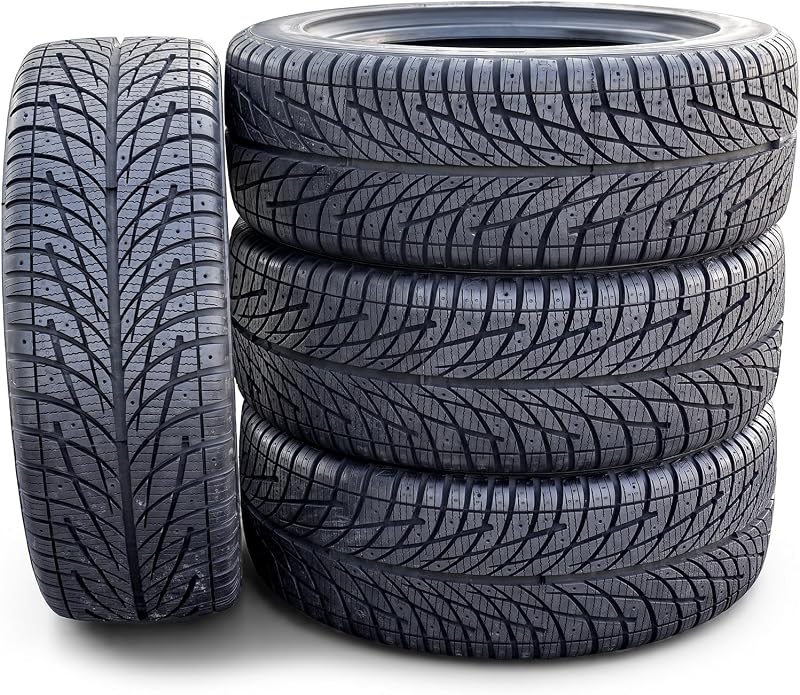
285/40R22 110Y XL Summer Performance Tire, UHP
A reliable pick for 285/40R22 110Y XL Summer Performance, selected based on this article's guidance.
Best Practices & Pro Tips

Maintaining Load Integrity
Load capacity is directly tied to tire pressure. If your tires are under-inflated, they cannot support their rated load, which generates excessive heat and increases the risk of a blowout. Always verify your pressures are set according to your vehicle's specific loading conditions.
Matching Tire Sets
Never mix tires with different load indexes on the same axle. Mismatched load capabilities lead to uneven handling and unpredictable vehicle behavior during emergency maneuvers.
Troubleshooting & Common Pitfalls

Identifying Mismatched Tires
If you notice uneven tread wear or handling issues, check if the tires currently installed match the requirements listed on the door jamb. Often, pre-owned vehicles may have been fitted with tires that meet the rim size but not the required load index.
Resolving Load Deficits
If you find that your vehicle is consistently loaded to capacity (e.g., towing or heavy hauling), you may need to upgrade to tires with a higher load index. Consult with a professional technician before making this change to ensure wheel clearance and safety.
Frequently Asked Questions
What does the number in the tyre size mean?
A: The two-digit number (e.g., 91) represents the load index, which indicates the maximum load each tire can support when properly inflated.
Can I use tires with a higher load rating?
A: Yes, you can generally use a higher load rating, provided the tire fits your rim and does not interfere with the vehicle's suspension.
Can I use tires with a lower load rating?
A: No, it is dangerous to use a tire with a lower load rating than what is specified by the vehicle manufacturer.
Where is the load index located?
A: The load index is found on the sidewall of the tire, typically right before the speed rating letter.
Does tire pressure affect load rating?
A: Yes, tires must be maintained at the correct pressure to achieve their full load-bearing capacity as listed on the Tyre Load Rating Chart.
What is the difference between SL and XL?
A: Standard Load (SL) tires are designed for typical vehicle weights, while Extra Load (XL) tires are reinforced to support heavier loads at higher inflation pressures.
Does the load rating change with tire age?
A: As tires age, their structural integrity decreases, making it even more important to adhere strictly to the recommended load index.
Why is the load index important for fuel economy?
A: Using the wrong tires can cause increased rolling resistance and premature wear, both of which negatively impact your vehicle's fuel efficiency.
Key Takeaways
- 1 Always check the vehicle placard for the correct load index.
- 2 The Tyre Load Rating Chart is a standardized guide for maximum weight limits.
- 3 Ensure combined tire capacity exceeds the vehicle's Gross Axle Weight Rating.
- 4 Never mix different load index ratings on the same axle.
- 5 Proper tire pressure is required to maintain structural load integrity.
- 6 XL (Extra Load) tires require specific inflation settings to function correctly.
- 7 Consult a professional if you plan to change tire specs for heavy-duty use.
Conclusion
Mastering the Tyre Load Rating Chart is a foundational aspect of automotive safety. By ensuring your tires are properly rated for your vehicle’s weight, you protect not only the integrity of your wheels but the safety of everyone on the road.
Remember that information is your best tool for vehicle maintenance. For further reading on vehicle safety and maintenance, check out our guide on choosing the best llantas for your specific needs.
Take the time to verify your specifications today, because safety is always the best investment you can make in your vehicle.