When considering aesthetic upgrades for your vehicle, the debate over "Can You Paint Rims on a Car? A 2026 DIY Guide vs Alternatives" often comes down to balancing cost-effectiveness with professional-grade durability. Many car owners find themselves choosing between the hands-on approach of DIY rim painting and the investment of professional powder coating or wheel replacement.
This comparison matters because rim customization is not merely cosmetic; it involves chemical preparation, heat resistance, and long-term exposure to road debris. Misjudging the method can lead to premature flaking, rust, or an uneven finish that degrades the value of your wheels. Confusion often arises from the abundance of conflicting advice regarding spray-on coatings versus professional-grade curing processes.
This guide breaks down the technical, financial, and logistical differences between DIY painting and professional alternatives. By the end of this analysis, you will be able to decide which path aligns with your budget, skill level, and long-term aesthetic goals for your vehicle's wheels.
- Upfront cost comparison and resource requirements.
- Durability and resistance to environmental factors.
- Preparation steps and technical skill requirements.
- Time investment for application and curing.
- Long-term maintenance and potential resale impact.
Overview & Head-to-Head Summary

The DIY Painting Approach
DIY painting generally utilizes aerosol-based automotive paint, clear coats, or peelable rubberized coatings. It is an accessible entry point for enthusiasts who enjoy manual labor and want immediate, low-cost aesthetic changes.
The Professional Alternative Approach
Professional services, specifically powder coating, involve electrostatic application followed by oven curing. This process provides a chemically bonded, hardened finish that is significantly more resistant to chips and environmental damage than standard spray paint.
| Feature | DIY Painting | Professional Coating |
|---|---|---|
| Cost | Low ($50-$150) | High ($500-$1000+) |
| Durability | Moderate | Excellent |
| Time Required | Days (including drying) | 24-48 Hours |
| Equipment | Basic masking/sanding | Industrial spray/oven |
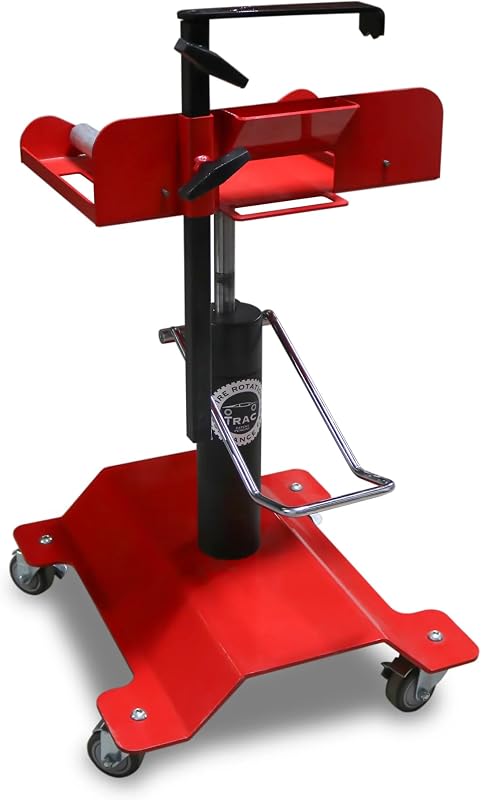
Before beginning any restoration, check the integrity of your current hardware. If you are also replacing or adjusting your vehicle setup, consider reading about Best Tire Rotation Tools and Equipment for 2026 to ensure your wheels are mechanically sound before cosmetic treatment.
Key Differences & Core Features
Surface Preparation and Application
DIY painting relies heavily on surface sanding and thorough cleaning. The adhesion depends entirely on the operator's ability to remove oils and create a mechanical "tooth" for the paint. Professional coating uses sandblasting or chemical stripping to create a pristine, chemically inert surface before applying the powder.
Chemical Composition and Curing
The core difference lies in the curing process. DIY paints "dry" through solvent evaporation, which leaves a film that can be soft even after weeks. Powder coating uses heat to cross-link polymers, resulting in a finish that is physically tougher and less prone to UV degradation.
| Dimension | DIY Painting | Professional Coating |
|---|---|---|
| Surface Prep | Manual Sanding | Media Blasting |
| Adhesion Type | Mechanical | Electrostatic/Chemical |
| Environmental Resistance | Good (with clear coat) | Superior |
| Finish Uniformity | Variable | High-Consistency |
For those interested in how these aesthetic choices align with vehicle maintenance, How Long Does An Oil Change Take? A Quick Guide for Car Owners provides insight into balancing different types of routine car care.
Performance & Real-World Analysis

Evaluating Long-Term Resilience
In real-world conditions, wheels are subjected to brake dust, high-speed debris, and thermal cycling. DIY paint often fails at the edges of the rim where it meets the tire, whereas professional finishes are less likely to delaminate under these conditions.
Step-by-Step Performance Assessment
By following these assessment steps, you can objectively determine if your current wheel setup requires a professional intervention or if a light DIY touch-up is sufficient.
Best Use Cases & Ideal Scenarios

When Option A Makes More Sense
DIY painting is the preferred path for budget-conscious projects, leased vehicles that need temporary color changes, or learning experiences on older wheels where high-end finishes aren't required. If you enjoy the process of DIY, it is a rewarding way to personalize your car.
When Option B Makes More Sense
Professional coating is the ideal scenario for modern high-performance vehicles, daily drivers that face harsh weather, or luxury car restorations. If you want a "set it and forget it" solution that enhances trade-in value, professional services are superior.
When It Genuinely Doesn't Matter
If the wheels are already structurally compromised or strictly for non-critical, slow-speed displays—such as modified hobby projects—the difference in performance between methods may be negligible. You can learn more about specific hobby setups by reviewing What are the best big wheels for a mousetrap car — Expert Picks & Buying… to compare how different wheel materials react under various stress loads.
Final Verdict & Decision Framework

Quick Decision Checklist
To choose effectively, ask: Is this a permanent change? Do I have the space for proper ventilation? Is the wheel's base metal in perfect condition? If the answer is "no" to permanent, DIY is often the smarter route.
Our Framework for Choosing
| Your Priority | Recommended Approach |
|---|---|
| Minimal Cost | DIY Painting |
| Extreme Durability | Professional Powder Coating |
| Custom Color Variety | DIY Painting |
| Resale Value | Professional Coating |
Frequently Asked Questions
Can I paint rims without taking the tires off?
A: While it is possible to mask the tire and paint the rim, it is highly discouraged. For a professional finish, tires should be removed to ensure complete coverage and prevent paint from bonding the bead to the rim.
How long does DIY rim paint last?
A: With proper surface preparation and a high-quality clear coat, DIY paint can last 1-2 years. Professional powder coating can last 5-10 years depending on road conditions.
Is powder coating better than liquid paint?
A: Yes, powder coating is chemically more robust and resistant to impact, chemicals, and UV rays than standard liquid automotive paint.
Can I paint rims over existing chrome?
A: Chrome is notoriously difficult to paint because paint does not adhere well to its non-porous surface. You must sand the chrome down to a rough finish or use a specialized etching primer.
What is the biggest risk with DIY painting?
A: The biggest risk is improper adhesion leading to flaking, which can expose the metal to rust. Another risk is paint spray getting onto the brake components, which can be a safety hazard.
How much does professional rim refinishing cost?
A: Costs vary by geography and wheel size, typically ranging from $125 to $250 per wheel. Many shops offer volume discounts for a full set of four.
Do I need a clear coat for DIY painting?
A: A clear coat is essential for protecting the base color from UV rays and environmental debris. Without it, the color will fade and the finish will be prone to scratching.
Are there risks to the tire during professional coating?
A: Professional powder coating requires baking at high temperatures, which is why tires must be removed. Skipping this step can lead to tire damage or failure.
Key Takeaways
- 1 DIY painting offers low upfront costs but requires significant labor.
- 2 Professional powder coating provides unmatched long-term durability.
- 3 Surface preparation is the most critical factor for both methods.
- 4 Removing tires is necessary for high-quality, safe results.
- 5 DIY finishes are prone to chips, whereas powder coat resists road debris.
- 6 Resale value is generally higher with professional, factory-style coatings.
- 7 Consider the long-term utility of the wheels before choosing your method.
Conclusion
Deciding between painting your rims yourself or opting for professional services involves a clear trade-off between immediate budget constraints and long-term durability. For those treating this as a temporary project or a learning exercise, DIY painting is a viable and satisfying route. However, for vehicle owners who prioritize longevity and professional aesthetics, investing in professional coating remains the superior choice.
By evaluating your specific vehicle needs and the intensity of your driving environment, you can make a choice that protects your investment while achieving the look you desire. Always prioritize safety—ensure that no paint residue interferes with brake components or the tire bead seat during your application process.
Selecting the right approach today ensures your wheels remain a highlight of your vehicle's aesthetic for years to come. For more on maximizing wheel performance, check out What are the best big wheels for a mousetrap car — Expert Picks & Buying… vs Top Competitors: Which is Best?
📌 Pillar Resource: Read our complete complete Can You Paint Rims on a Car? A 2026 DIY Guide review for in-depth insights.