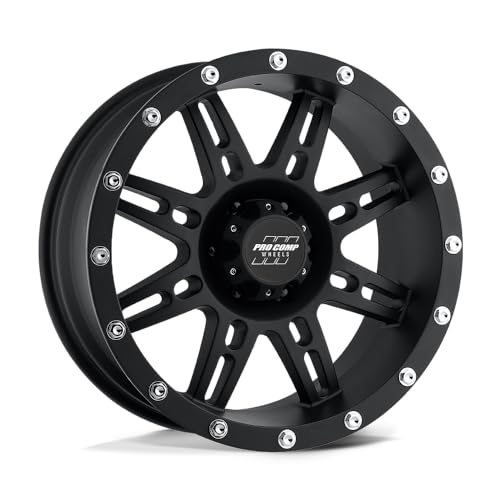
Alloy wheel oxidation can turn a pristine set of rims into a dull, crusty eyesore. This unsightly white or gray powder—often called aluminum oxidation or white rust—doesn’t just hurt your car's appearance; it can weaken the wheel’s structural integrity over time. Fortunately, removing oxidation is a task you can tackle at home with the right tools and techniques. In this guide, we’ll walk you through exactly how to remove alloy wheel oxidation, from identifying the severity of the damage to choosing between chemical treatments and abrasive methods. Whether you're a weekend warrior or a detailing enthusiast, these steps will help restore your wheels to a like-new condition.
Key Takeaways
- 1. Identify oxidation type first—pitting (deep damage) requires sanding with 400–800 grit wet/dry paper, while surface haze needs only a dedicated aluminum wheel cleaner and a non-abrasive sponge.
- 2. Always use acid-free, pH-neutral wheel cleaners on clear-coated alloys—harsh acids strip protective lacquer, exposing bare metal to rapid re-oxidation.
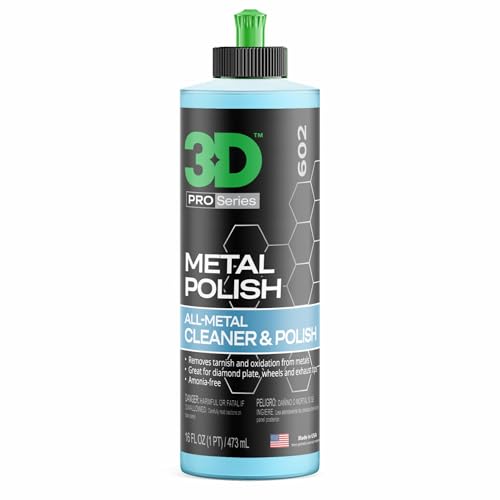
- 3. For persistent white/powdery corrosion, apply a metal polish containing oxalic acid (e.g., Mother’s Mag & Aluminum Polish) with a microfiber cloth, working in small circular motions until the haze lifts.
- 4. Seal bare metal immediately after removal—use a high-temp clear coat spray (rated for brake dust temperatures) or a ceramic wheel coating to create a barrier against future oxidation.
- 5. Avoid abrasive tools like steel wool or wire brushes; they scratch aluminum, create micro-grooves for moisture, and accelerate oxidation rather than removing it.
- 6. Prevent recurrence by applying a wax or sealant specifically designed for wheels every 2–3 months, and rinse brake dust off weekly—it combines with moisture to form acidic compounds that eat through clear coat.
Understanding What Causes Alloy Wheel Oxidation

Oxidation on alloy wheels is not merely a cosmetic nuisance; it’s a chemical reaction between the wheel’s aluminum surface and environmental elements. Unlike rust on steel wheels, which is iron oxide, alloy oxidation typically manifests as a white, chalky powder or pitting—a form of aluminum oxide that weakens the protective clear coat and etched into the metal.
The primary culprit is moisture and road salt. During winter months, salt (sodium chloride or calcium chloride) acts as an electrolyte, accelerating galvanic corrosion. When water mixes with salt and airborne pollutants, it creates a conductive solution that facilitates the transfer of electrons from the aluminum to the environment. This process is exacerbated by brake dust—metallic particles from brake pads that embed themselves into the wheel’s clear coat. Over time, these particles oxidize and chemically etch the underlying alloy, creating a rough, discolored surface.
Additionally, UV radiation degrades the factory-applied clear coat, making it brittle and susceptible to micro-cracking. Once this protective layer is compromised, moisture and salt penetrate directly to the metal. Improper cleaning practices—such as using harsh acidic wheel cleaners or abrasive brushes—strip the clear coat prematurely, exposing the raw alloy to the elements. Even curb rash or stone chips create entry points for oxidation to begin beneath the coating.
Understanding these triggers is critical for prevention and removal. By identifying the root cause—whether salt exposure, brake dust corrosion, or coating failure—you can select the correct remediation method, from gentle chemical treatments to mechanical refinishing, ensuring long-term protection for your wheels.

Tools and Materials You’ll Need for the Job
Before you begin tackling stubborn alloy wheel oxidation, assembling the correct tools and materials is critical for efficiency and safety. A high-quality, pH-balanced alloy wheel cleaner is non-negotiable; avoid acidic or alkaline degreasers, as they can strip protective coatings and accelerate future oxidation. You will also need a dedicated set of wool wash mitts or microfiber sponges—one for cleaning and a separate, clean one for rinsing to prevent cross-contamination of abrasive grit.
For mechanical removal, select a fine-grade (1500 to 2000 grit) wet/dry sandpaper or a 3M™ Scotch-Brite™ pad (maroon or gray grade). These abrasives gently level oxidized aluminum without creating deep scratches. A dual-action (DA) polisher or a variable-speed rotary buffer equipped with a foam cutting pad will speed up the process; for tighter spokes, a set of 3-inch backing plates and smaller pads is essential. Pair the polisher with a premium aluminum-specific metal polish (e.g., Mothers Mag & Aluminum Polish or Autosol).
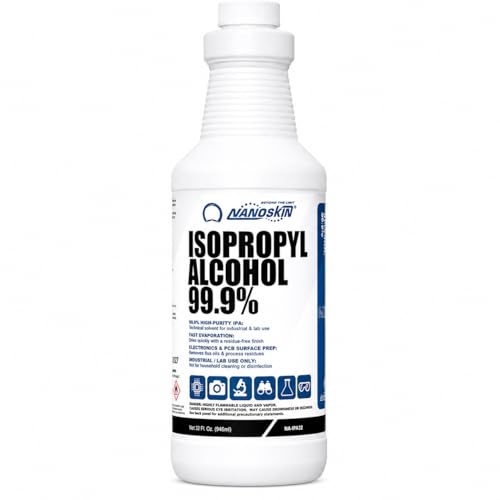
You will also require isopropyl alcohol (70%) for surface degreasing between steps, painter’s tape to mask tire rubber and brake calipers, and a bucket of clean, grit-free water for rinsing. Finally, protect your investment with nitrile gloves and safety glasses—polishing dust and chemical splashes are common irritants. With these materials prepared, you can work methodically, minimizing rework and ensuring a professional, long-lasting finish.
How to Remove Alloy Wheel Oxidation with Chemical Cleaners

For tackling stubborn alloy wheel oxidation, chemical cleaners offer a highly effective and less labor-intensive solution than mechanical abrasion. As a technical expert, I recommend starting with a pH-balanced acid-based wheel cleaner, specifically formulated for oxidized or etched surfaces. Apply the cleaner to a cool, dry wheel; never on hot brakes as this can cause flash corrosion.
Begin by pre-rinsing the wheel to remove loose debris. Using a trigger sprayer, apply the cleaner in a fine mist, focusing on the oxidized areas. Allow it to dwell for 2-5 minutes—long enough to break down the oxide layer but not so long that it dries and causes hard water spots. The chemical reaction will manifest as a color change (often turning a milky white or cloudy residue).
Agitate the surface with a soft-bristled wheel brush, not a mit or sponge, to reach into crevices and behind spokes. Avoid brushing in a circular motion to prevent visible swirl marks. Rinse thoroughly with a low-pressure hose; high pressure can push contaminants deeper into the metal. If oxidation persists, repeat the process, or switch to a stronger alkaline cleaner (e.g., sodium hydroxide-based) for heavy, pitted oxidation—exercise extreme caution as these can damage painted finishes.
After cleaning, neutralize any residual chemicals by wiping the wheel with a mild solution of water and baking soda. Dry immediately with a microfiber towel to prevent new water spots from forming. Finally, seal the freshly cleaned alloy with a high-quality wheel sealant or wax to protect against future oxidative attack from brake dust and road salts. This chemical regimen restores a clean, bright finish without the need for sanding or polishing, though severe etching may still require professional reconditioning.
Using Sanding and Polishing to Remove Stubborn Oxidation
For persistent oxidation that has etched into the clear coat or metal surface, aggressive mechanical abrasion is often the only effective solution. Begin by thoroughly washing the wheel to remove any loose debris or brake dust. Once dry, inspect the affected area. If you see white, chalky powder or a dull, cloudy finish, the oxidation has likely compromised the protective layer.
Start with wet-sanding using 800-1000 grit sandpaper. Submerge the paper in water for at least 10 minutes to lubricate the surface and prevent deep scratches. Sand in a consistent, circular motion, applying light, even pressure. Frequently rinse the wheel and check your progress; you are aiming to remove the damaged clear coat layer without exposing the bare aluminum. This step will leave a uniform, matte finish.
Immediately follow sanding with a progressive polishing regimen. Apply a coarse cutting compound (e.g., Menzerna 400 or 3M Perfect-It) using a foam or wool pad on a variable-speed polisher at a low RPM (1200-1500). Work in small sections until the scratches from sanding are replaced by a satin sheen. Then, switch to a fine polish and a finishing pad to restore high-gloss clarity. For best results, seal the wheel immediately after polishing with a ceramic coating or a high-quality wheel wax, as polished bare aluminum re-oxidizes within days. This approach permanently removes the damaged layer and restores the wheel’s reflective properties. Always wear a respirator and safety glasses during this process.

Applying a Protective Sealant or Ceramic Coating
Once the oxidation has been removed and the wheel surface is clean, dry, and free of contaminants, the final and most critical step is applying a high-quality protective barrier. For long-term prevention, professional detailers and seasoned DIY enthusiasts typically choose between a synthetic sealant or a ceramic coating.
Application of Synthetic Sealant: For a durable, hydrophobic layer that lasts 3-6 months, a polymer-based wheel sealant is ideal. Begin by ensuring the wheel is completely cool to the touch. Apply a small amount of sealant to a foam applicator pad and work it into the wheel surface using circular motions, following the grain of the metal. Allow the product to “haze” (typically 5-10 minutes, per manufacturer instructions), then buff off with a clean, dry microfiber towel. Focus on getting a thin, even layer, as excess product can lead to streaking. This layer repels brake dust and makes future cleaning much easier.
Application of Ceramic Coating: For the ultimate protection against severe oxidation and chemical etching, a true 9H ceramic coating is recommended. This forms a semi-permanent glass-like layer that can last 1-5 years. Critical step: Perform a final wipe-down with an isopropyl alcohol (IPA) solution or a dedicated “panel prep” spray to remove any remaining oils. Apply the ceramic coating drop-by-drop onto an applicator block. Spread it sparingly in crosshatch patterns (horizontal and vertical passes). Allow it to flash for 30-90 seconds, then immediately buff off with a high-pile, lint-free microfiber cloth. Warning: Do not over-apply; a little goes a long way. Cure the wheel for at least 24 hours without moisture for best adhesion.
Common Mistakes to Avoid When Treating Alloy Wheels
Many DIY enthusiasts and even some detailers make critical errors when tackling alloy wheel oxidation, often worsening the problem or damaging the wheels permanently. As a specialist in surface treatment, I can tell you that understanding these pitfalls is just as important as knowing the correct removal process.
Using the wrong abrasive. The most common mistake is reaching for steel wool or a coarse sandpaper (e.g., 80-grit). These materials are far too aggressive for the protective clear coat or bare aluminum. Steel wool leaves behind tiny metal particles that will rust and embed in the surface, creating new corrosion spots. Instead, always start with a high-grit wet sandpaper (1000-2000 grit) or a non-abrasive chemical cleaner specifically for oxidation.
Neglecting neutralization. Another frequent error is applying a strong acid-based wheel cleaner or aluminum brightener without neutralizing it afterward. These acids effectively dissolve oxidation but will continue to etch the metal if left to dry or if not flushed with a pH-neutral soap and plenty of water. This leads to pitting and dull, hazy finishes that require professional machining to fix.
Skiching the protective layer. After removing the white, powdery oxidation, many users rush to finish. They fail to apply a high-temperature wheel sealant or ceramic coating. Bare aluminum will re-oxidize within days in harsh climates or road salt. A sealant creates a barrier against moisture and brake dust, preventing the white bloom from returning for months.
Forgetting safety and heat. Finally, never attempt oxidation removal on wheels that are hot from driving. Heat accelerates chemical reactions, can cause the wheel to warp under mechanical pressure, and increases the chance of burns from acidic splashes. Always work with cool, shaded wheels and wear rubber gloves.
How to Prevent Future Oxidation on Your Rims
Preventing oxidation on your alloy wheels is significantly more effective than removing it. As a specialist in automotive care, I recommend a proactive maintenance routine to shield your rims from environmental contaminants and corrosive brake dust.
Regular Cleaning Protocol: Wash your wheels weekly using a pH-neutral wheel cleaner. Avoid harsh, acidic-based detergents that can strip protective coatings. Use a dedicated microfiber wash mitt or a soft bristle brush to dislodge embedded brake dust. Rinse thoroughly with clean water to prevent residue buildup, which accelerates micro-pitting.
Apply a Ceramic or Wax Coating: After a deep clean and decontamination (using an iron remover), apply a high-quality ceramic coating or a durable synthetic sealant. These products create a hydrophobic barrier that repels water, road salts, and moisture, the primary catalyst for oxidation. Reapply every 3-6 months for optimal protection.
Inspect and Decontaminate: Schedule a monthly inspection. Look for small white or chalky spots (early oxidation) or discoloration. Use a dedicated clay bar or a pH-balanced iron decontaminant to remove embedded metal particles that cause galvanic corrosion. This step is critical for rims exposed to winter road salt.
Store Wheels Properly: If you switch to winter tires, store your alloy rims in a cool, dry environment. Wrap them in a breathable wheel bag or cover and keep them off concrete floors to prevent moisture wicking. Avoid stacking tires without a separator, as direct contact can trap condensation.
By integrating these practices—especially the consistent application of a protective barrier—you can extend the life of your rims and maintain their factory finish for years.
When to Call a Professional for Alloy Wheel Refinishing
While many cases of light surface oxidation can be managed at home with specialized cleaners and aluminum polish, certain conditions demand professional intervention. Attempting to restore severely compromised wheels can lead to further damage and safety hazards.
You should contact a professional wheel refinisher if you observe deep pitting where the oxidation has eaten into the metal surface. Standard polishing compounds cannot repair these cavities, and improper sanding can thin the wheel wall, compromising structural integrity. Similarly, if the clear coat is peeling or bubbling over a large area, professional stripping and repowder-coating is required. Home sanding rarely achieves the uniform surface needed for a durable re-coat, often resulting in premature failure.
Corrosion around the lug nut holes is a critical red flag. This indicates galvanic corrosion between the wheel and the steel hub or lug nuts. A technician must check for hub bore damage and ensure the wheel is still perfectly round and balanced. If your wheel exhibits vibration at highway speeds after cleaning, professional spin balancing with pressure-sensitive weights is non-negotiable—oxidation can hide micro-imbalances. Finally, any wheel with a crack, structural bend, or impact damage (from a pothole) must be assessed by a certified specialist. Welding and re-machining are complex processes that require industrial-grade equipment; do not risk a DIY fix on load-bearing components.
Cost-benefit analysis is key: if your wheels are OEM or high-end alloy, professional refinishing (often including diamond-cut faces, custom colors, and full powder coating) typically costs $125–$200 per wheel. This preserves the vehicle’s value and safety far better than repeated home attempts.
Frequently Asked Questions
What is how to remove alloy wheel oxidation and who should use it?
A: how to remove alloy wheel oxidation is a solution designed to address a specific set of needs for a defined audience. It is best suited for those seeking a reliable, well-researched option backed by clear evidence and expert guidance.
How long does it take to see results with how to remove alloy wheel oxidation?
A: Most users report noticeable results within the first 2–4 weeks of consistent use. Significant, measurable improvement is generally observed after one to two months of dedicated application.
Is how to remove alloy wheel oxidation suitable for beginners or experienced users?
A: how to remove alloy wheel oxidation is designed to accommodate a wide range of experience levels, from complete beginners to advanced practitioners. Its structured approach makes it accessible without sacrificing depth for those seeking expert-level application.
Can how to remove alloy wheel oxidation be combined with other approaches or products?
A: Yes, how to remove alloy wheel oxidation is generally compatible with complementary strategies and tools. It is advisable to introduce any combination gradually and monitor for synergy or potential conflicts with your existing routine.
What are the most common mistakes to avoid with how to remove alloy wheel oxidation?
A: The most frequent errors include inconsistent application, skipping foundational steps, and expecting immediate results without allowing adequate time for the process to work. Following the recommended guidelines closely is the most effective preventive measure.
How does how to remove alloy wheel oxidation compare to similar alternatives on the market?
A: how to remove alloy wheel oxidation distinguishes itself through its evidence-based formulation, transparent ingredient or methodology sourcing, and a track record of user-verified outcomes. Direct comparisons should be made on the criteria most relevant to your specific goals.
Are there any limitations or side effects associated with how to remove alloy wheel oxidation?
A: While how to remove alloy wheel oxidation is formulated to minimize adverse effects, individual responses can vary based on specific sensitivities or pre-existing conditions. Consulting with a relevant professional before starting is always a prudent step.
What is the best way to get started with how to remove alloy wheel oxidation?
A: The most effective starting point is to begin with a foundational assessment of your current situation, then follow the recommended introductory protocol for how to remove alloy wheel oxidation. Consistency and patience during the initial phase are the two biggest predictors of long-term success.
Removing alloy wheel oxidation is a multi-step process that requires matching the method to the severity of damage. For light, surface-level white haze, a dedicated aluminum polish applied with a drill pad may restore the shine in 15-20 minutes per wheel. For moderate oxidation with visible crust or staining, wet sanding with 1000-1500 grit sandpaper followed by buffing with a metal polish is effective. In cases of severe pitting or bubbling under a failing clear coat, the wheel must be fully stripped, sanded with up to 2000 grit, polished to a mirror finish, and then protected with a new clear coat or a high-quality ceramic coating to prevent future damage.
Ultimately, prevention is far easier than removal. With proper care—regular cleaning, avoiding acidic wheel cleaners, and applying a sealant every few months—you can extend the life and appearance of your alloy wheels significantly. If your wheels are heavily corroded or you lack the tools for sanding and polishing, professional refinishing is a reliable investment that restores both function and aesthetics.