When evaluating if can you repair alloy wheel scuff yourself, you are essentially weighing the trade-offs between a budget-friendly DIY restoration and a professional rim refinishing service. While many minor cosmetic blemishes can be addressed at home, deep structural damage often requires specialized equipment.
The confusion typically stems from the wide variety of wheel finishes—from standard silver paint to complex diamond-cut surfaces. Choosing the right path requires understanding your personal skill level, the severity of the damage, and the specific material of your wheels.
This guide breaks down the comparison between self-managed repairs and professional intervention. By the end, you will be able to determine if your specific wheel damage is a viable candidate for a DIY kit or if it warrants a visit to a specialized shop.
- Surface preparation requirements
- Tooling and material cost comparisons
- Durability of DIY vs professional paint
- Risk of permanent finish degradation
- Complexity of matching wheel colors
Overview & Head-to-Head Summary

DIY Wheel Restoration
DIY repair involves purchasing specialized abrasive kits, filler putty, and touch-up paint to mask minor curb rash. It is a time-intensive process that relies heavily on the user's manual precision and patience to achieve an acceptable finish.
Professional Wheel Refinishing
Professional services utilize lathe equipment, powder coating ovens, and professional-grade color matching technology. They address both the cosmetic layer and the structural integrity of the wheel, providing a warranty-backed result that mimics factory standards.
| Feature | DIY Repair | Professional Repair |
|---|---|---|
| Initial Cost | Low | High |
| Time Investment | High (Manual) | Low (Drop-off) |
| Skill Required | Moderate | Expert |
| Finish Quality | Good (Variable) | Excellent (Factory) |
Before starting, check your wheel type. As noted in our guide on Difference between alloy and aluminum wheels, some finishes are much harder to replicate at home than others.
Key Differences & Core Features
Surface Preparation and Material Compatibility
DIY kits generally provide sandpaper and basic putty, which works well for painted wheels. However, if your wheel has unique textures or specific clear coats, professional services are safer. Learn more about identifying common damage patterns to see if your scratch is merely cosmetic.
Color Matching and Longevity
Professional shops use digital spectrophotometers to match wheel paint, whereas DIY enthusiasts must rely on generic "universal" silver paints. Over time, the durability of a professional powder coat far exceeds the longevity of a rattle-can touch-up.
| Comparison Metric | DIY Repair Reality | Professional Repair Reality |
|---|---|---|
| Tooling | Hand tools, masking tape | CNC Lathes, spray booths |
| Paint Type | Aerosol/Brush-on | Powder coat/Epoxy |
| Warranty | None | Often 6-12 months |
Performance & Real-World Analysis

Evaluating Damage Severity
Performance in repair is measured by how well the fix masks the original damage. If you can feel a deep groove with your fingernail, it likely requires professional filling and machining.
Long-term Durability Factors
DIY repairs often peel after one winter season due to the lack of industrial-grade primers and baking processes. Professional refinishing ensures the paint bond holds up against brake dust and road salt.
DIY repair is highly effective for shallow, isolated surface scratches on standard painted wheels, while professional service is the performance choice for complex finishes and deep gouges.
Best Use Cases & Ideal Scenarios

When Option A (DIY) Makes More Sense
DIY makes sense if the scuff is very small (under 2 inches), the wheel is a basic solid color, and you are working on a daily commuter vehicle where absolute perfection is not the priority.
When Option B (Professional) Makes More Sense
Choose professional repair if you own a luxury vehicle, have premium diamond-cut or polished wheels, or if the curb rash is significant and potentially unsafe.
When It Genuinely Doesn't Matter
If the wheels are already heavily pitted due to age, neither method will result in a "brand new" look, and you may find that replacement is the only logical path.
Recommended Equipment & Solution

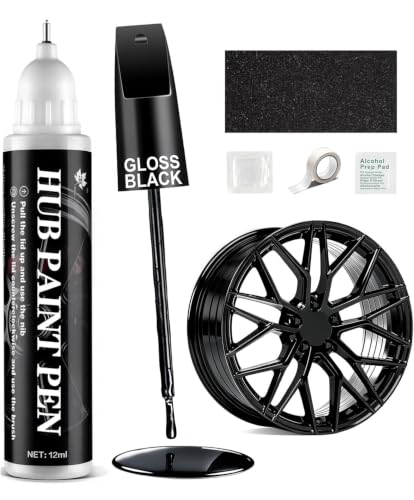
Wheel Scratch Fix® Gloss Black Rim Touch
A reliable pick for Wheel Scratch Fix® Gloss Black, selected based on this article's guidance.

Silver Rim Touch Up Paint, 2-in-1 Brush
A reliable pick for Silver Rim Touch Up Paint, selected based on this article's guidance.
Final Verdict & Decision Framework

Quick Decision Checklist
Use this table to map your current situation to the most appropriate restoration method.
| Your Priority | Recommended Path |
|---|---|
| Minimal Budget | DIY Repair |
| Factory Aesthetics | Professional Repair |
| Quick Turnaround | DIY Repair |
| Structural Integrity | Professional Repair |
Frequently Asked Questions
Can I sand down my wheels safely?
A: Yes, but only if you remove a negligible amount of material. Excessive sanding can compromise the wheel's structural balance and clear coat.
How long does a DIY repair last?
A: It depends on environmental factors, but generally 6 to 12 months. Professional powder coating can last several years under normal conditions.
Does curb rash affect wheel safety?
A: Shallow scuffs are cosmetic. Deep gouges, cracks, or bent edges are safety hazards that require professional inspection or wheel replacement.
Is color matching hard at home?
A: Extremely difficult. Professional labs use spectrophotometers to match paint codes, while store-bought touch-ups are usually "close enough" but visible under bright light.
What is diamond-cut finish?
A: It is a metallic, machined look that requires a lathe to repair. You cannot repair a diamond-cut scuff with standard DIY paint kits.
Should I remove the wheel to repair it?
A: Yes. To achieve a clean, professional-looking result and prevent paint from getting on your tires, remove the wheel from the vehicle before working.
Can I use body filler on wheels?
A: Only if it is rated for high-heat automotive use. Standard home-use filler may fail due to the heat generated by brake systems.
How do I prevent future scuffs?
A: Proper tire pressure maintenance and practicing wide turning radii when parking near curbs are the best ways to keep your rims in good condition.
Key Takeaways
- 1 DIY repair is best reserved for shallow, cosmetic surface scratches.
- 2 Professional shops provide better durability through powder coating and CNC machining.
- 3 Diamond-cut or high-polish finishes should never be attempted with DIY paint kits.
- 4 Always remove the wheel from the vehicle for both DIY and professional service to ensure quality.
- 5 Deep gouges or bent rims are safety issues that transcend simple DIY cosmetic fixes.
- 6 The cost difference is significant, but professional repairs often include a limited warranty.
- 7 Consistent wheel maintenance helps identify issues before they require expensive professional intervention.
Conclusion
Determining if can you repair alloy wheel scuff yourself involves an honest assessment of your tools, patience, and the value you place on factory-perfect aesthetics. While DIY methods are excellent for minor, isolated scratches on painted wheels, they are rarely a match for the longevity and precision of professional refinishing services.
If you have high-end wheels or deep structural concerns, consulting a professional is always the recommended path to maintain both safety and vehicle value. For simple curb rash on older daily drivers, a well-executed DIY project can certainly save money while providing acceptable visual results.
Taking the time to evaluate your specific situation ensures you keep your wheels looking great without overspending on unnecessary professional labor or underspending on inadequate DIY materials.