Navigating the technical difference between alloy and aluminum wheels is crucial for vehicle maintenance, which is why we have compiled these 10 actionable tips to guide your next upgrade.
Understanding how materials impact performance, durability, and aesthetics helps you avoid costly errors. By following these expert tips, you can ensure your wheels provide both safety and style for years to come.
Tip 1: Clarifying Material Compositions

Aluminum vs. Alloy Definitions
Technically, most aluminum wheels are a type of alloy wheel because they contain a mixture of aluminum and other metals like magnesium or nickel. Understanding this difference between alloy and aluminum wheels clarifies that you are often choosing between casting methods and specific alloy blends rather than two entirely different base elements.
The Role of Alloying Agents
Manufacturers add these secondary metals to increase hardness. Pure aluminum is too soft for heavy-duty automotive use, so the term "alloy" essentially refers to an engineered metal matrix designed for structural integrity.
Tip 2: Identifying Manufacturing Methods

Casting vs. Forging
When you research the Normal Wheel vs Alloy Wheel: Which Upgrade Suits You? guide, you will see that manufacturing dictates performance. Forged alloys are generally stronger than cast aluminum versions due to the high-pressure shaping process.
Why Manufacturing Matters
The manufacturing process determines how the wheel handles stress. Always check the casting quality, as porosity issues can weaken an otherwise high-quality alloy build.
Tip 3: Weight and Fuel Efficiency

Rotational Mass Reduction
Alloy wheels are typically lighter than steel, which reduces unsprung weight. This reduction lowers rotational inertia, often leading to better acceleration and improved fuel economy.
Driving Dynamics
Lighter wheels allow the suspension to react more quickly to road imperfections. This creates a smoother ride and more responsive handling, particularly in performance-oriented vehicles.
Tip: Opt for flow-formed alloy wheels if you want a perfect balance between lightweight performance and durability for daily driving.
Tip 4: Impact Resistance Analysis

Understanding Brittleness
While aluminum alloys offer high strength, they can be more prone to cracking under high-impact stress compared to malleable steel. Be cautious when driving over deep potholes to prevent structural rim damage.
Comparing Specifications
| Feature | Steel Wheels | Alloy/Aluminum |
|---|---|---|
| Weight | Heavy | Light |
| Style | Utility | High-End |
| Corrosion | High Risk | Low Risk (if coated) |
Recommended Equipment & Solution

Runseaway 2Pcs 11T Aluminum Alloy Sealed Bearing
A reliable pick for Runseaway 2Pcs 11T Aluminum Alloy, selected based on this article's guidance.

4pc Wheel Hub Centric Rings 73.1 to
A reliable pick for 4pc Wheel Hub Centric Rings, selected based on this article's guidance.
Tip 5: Maintenance and Cleaning

Protecting the Finish
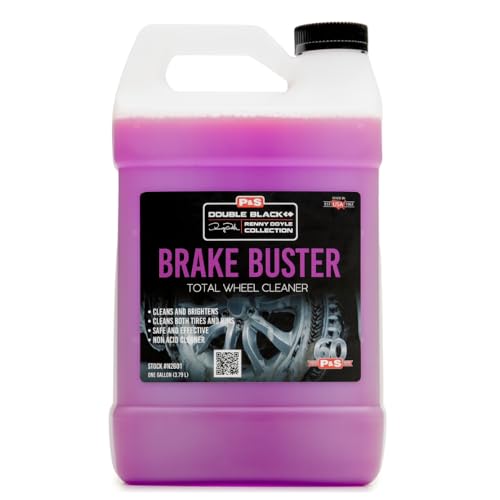
Proper cleaning is key to long-term ownership. For those interested in home care, check out this Home made alloy wheel cleaner recipe: Restore Your Rims for Pennies to keep your alloy finish bright.
The Importance of Sealing
Apply a protective sealant twice a year. This prevents road grime and brake dust from etching into the delicate alloy surface, maintaining the aesthetic difference between alloy and aluminum wheels.
Tip 6: Aesthetic Customization
Surface Finishes
Alloy wheels offer superior aesthetic versatility. From matte black powder coating to diamond-cut machined surfaces, they allow for high-end customization that standard wheels cannot replicate.
Style Trends in 2026
Currently, dual-tone finishes and aerodynamic spoke designs are leading the market. Choose a design that complements your vehicle's stance while balancing the functional requirements of your wheel hubs.
Warning: Avoid using harsh acidic cleaners on polished alloy wheels, as they can permanently strip the clear coat and cause immediate oxidation.
Tip 7: Cost-Benefit Evaluation
Initial Investment
Alloy wheels represent a higher initial cost due to raw materials and complex manufacturing. However, the resale value of the vehicle often increases, making it a sound long-term investment.
Installation Process
Tip 8: Thermal Management
Heat Dissipation
Aluminum alloy is an excellent heat conductor. By effectively pulling heat away from the brakes, alloy wheels help prevent brake fade during intense driving conditions or heavy downhill braking.
Performance Benefits
When paired with high-quality brake components, alloys keep the entire wheel assembly operating at safer, cooler temperatures, prolonging the lifespan of your rotors and pads.
Tip 9: Corrosion Resistance
Oxidation Awareness
While aluminum does not rust in the traditional sense, it can form white powdery oxidation. High-quality alloys are often powder-coated or clear-coated to prevent this atmospheric reaction.
Winter Driving
In regions where salt is used on roads, frequently inspect your alloy wheels. Salt can aggressively corrode the finish if left unwashed, creating a notable difference between alloy and aluminum wheels in how they degrade over time.
Success: Regularly waxing your alloy wheels acts as a physical barrier against moisture and road salt, significantly increasing their lifespan.
Tip 10: Performance Longevity
Structural Integrity
When properly maintained, alloy wheels provide consistent performance for the life of the vehicle. Always prioritize wheels that have been rigorously tested for load ratings.
Choosing Wisely
Ultimately, the best choice depends on whether you value aesthetic flair and weight savings or the rugged, low-cost utility of standard steel. Both serve their purpose depending on your specific driving needs.
Common Mistakes to Avoid
Frequently Asked Questions
Are alloy wheels better than aluminum?
A: Most wheels marketed as alloys are made from aluminum, so they are essentially the same category of product with different manufacturing grades.
Do alloy wheels rust?
A: Alloy wheels do not rust like steel, but they can corrode or develop white oxidation if the clear coat is breached.
How can I tell the difference?
A: Alloy wheels typically have more complex, thinner spoke designs, whereas standard steel wheels are usually simpler and heavier.
Can you repair scratched alloy wheels?
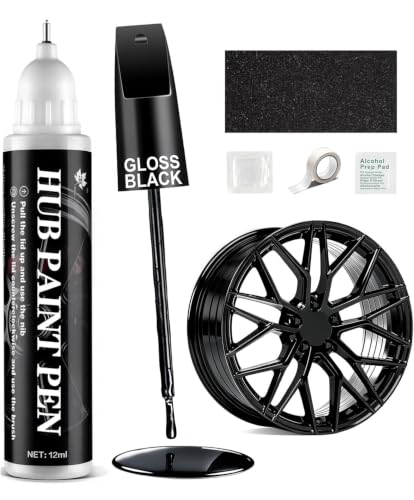
A: Yes, minor surface scratches can often be sanded and repainted to restore their original look.
Are alloy wheels worth the extra cost?
A: For most drivers, the aesthetic appeal and improved handling characteristics make them a highly valued upgrade.
Do alloys improve gas mileage?
A: Yes, because they are generally lighter than steel, they reduce unsprung weight, which can slightly improve fuel efficiency.
How often should I clean my wheels?
A: Aim to clean your wheels every two weeks to prevent brake dust from permanently damaging the wheel finish.
Is it hard to swap out my wheels?
A: If you have the right tools, it is a straightforward process, though proper torquing is essential for safety.
Key Takeaways
- 1 Alloy wheels are generally aluminum-based blends with high strength-to-weight ratios.
- 2 Casting methods define the strength of the final wheel product.
- 3 Lighter alloys improve vehicle handling and acceleration.
- 4 Heat dissipation is a significant benefit for performance brake systems.
- 5 Regular cleaning and sealing are necessary to avoid oxidation.
- 6 Customization potential for alloys is significantly higher than standard wheels.
- 7 Always consult load ratings before purchasing any aftermarket set.
Conclusion
Understanding the difference between alloy and aluminum wheels empowers you to make informed decisions for your vehicle. Whether you are aiming for a performance boost or a complete style overhaul, alloys remain a superior choice for modern driving standards.
By keeping these maintenance and selection tips in mind, you can maximize both the visual appeal and functional safety of your vehicle. If you want to explore more, read the Best Alloy Wheel Vs Normal Wheels (2026) comparison for further insights.
Quality wheels are the foundation of a safe, high-performing ride; choose with confidence.