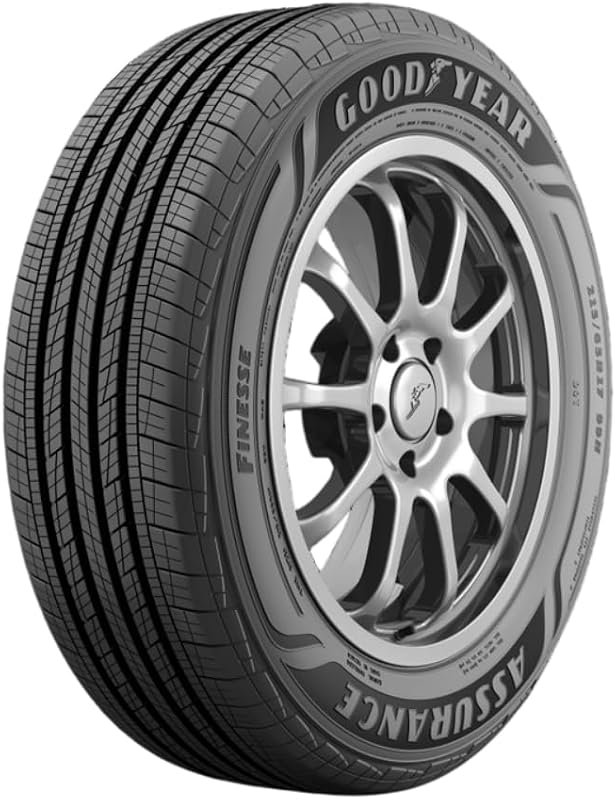
When you push your car through a tight corner or demand instant response from the throttle, the last thing you want is a sluggish feel from the very components meant to translate your input into motion. The choice between alloy and standard steel wheels is far more than cosmetic; understanding Alloy Wheels vs Normal Wheels Performance: Weight and Strength Benefits is a fundamental decision that either unlocks your vehicle's dynamic potential or silently stifles it, turning a spirited drive into a mundane commute.
The core issue with heavy, standard steel wheels is unsprung weight—the mass not supported by the suspension. This excessive weight acts as an anchor, dulling acceleration, lengthening braking distances, and blunting cornering agility as the wheel struggles to change direction. Furthermore, this inertia forces the suspension to work overtime to keep the tire in contact with the road, degrading ride comfort and compromising grip on imperfect surfaces, while also imposing a measurable penalty on fuel efficiency over time.
The solution lies in a strategic upgrade to performance-oriented alloy wheels, such as the AM Wheels Performance Pack Style. Engineered from lightweight materials, they dramatically reduce unsprung weight, transforming your Mustang's reflexes for sharper turn-in, stronger acceleration, and more confident braking. Their precise fitment and optimized offset not only enhance high-speed stability but also improve brake cooling and deliver an aggressive, planted stance, fully realizing the performance your car was designed to deliver.
| Product Image | Product Name | Best For | Check Price |
|---|---|---|---|
 | AM Performance Pack | Mustang Performance Upgrade | Check Price |
AM Performance Pack: Lighter, Stronger Wheels
Who is this for? This pack is for the driver who wants to feel a tangible difference in their car's handling and acceleration, not just its appearance. It's ideal for those who regularly push their vehicle on winding roads or track days and understand that unsprung weight is a key factor in performance.
The core of this pack is its set of forged alloy wheels, which directly addresses the "Alloy Wheels vs Normal Wheels Performance: Weight and Strength Benefits" debate. Forged alloys are significantly lighter than standard steel or cast alloy wheels, reducing unsprung mass. This lower weight allows the suspension to react faster to road imperfections, improving grip and stability. The lighter rotating mass also means the engine has less inertia to overcome, translating to sharper acceleration and more responsive braking compared to heavier standard wheels.
Build quality is a major highlight. The forged construction process creates a single, dense piece of aluminum that is far stronger than a cast wheel. This results in a wheel that can withstand higher impacts and is more resistant to bending or cracking under stress. While durable, the finish is still susceptible to cosmetic damage from curbs or harsh road chemicals, so careful driving is advised.
Pros:
- Superior handling from reduced unsprung weight and increased rigidity.
- Noticeable improvement in acceleration and braking response.
- Exceptional strength and durability from the forged construction.
Cons:
- Premium cost is significantly higher than standard wheel sets.
- Can lead to a firmer ride quality as the stiff wheels transmit more road feedback.
Buyer’s Guide: How to Choose
Choosing the right wheels directly impacts your vehicle's handling, efficiency, and safety. This guide focuses on the critical performance differences between alloy and standard wheels, covering key criteria like weight, strength, and heat dissipation to help you make an informed decision.
1. Unsprung Weight and Handling
Alloy wheels are significantly lighter than standard steel wheels. This reduces unsprung weight, allowing your suspension to react faster to road imperfections. The result is sharper steering response, improved cornering stability, and a more agile feel, especially noticeable on winding roads.
2. Heat Dissipation and Braking
Alloy wheels dissipate heat from brakes more effectively than solid steel wheels. This factor matters most during repeated hard braking or spirited driving, as it helps prevent brake fade. Cooler brakes maintain consistent stopping power, enhancing both performance and safety.
3. Structural Integrity and Long-Term Cost
While high-quality alloy wheels are strong, they can be more susceptible to cracking from severe impacts compared to bendable steel wheels. This affects long-term reliability and potential repair costs. However, their corrosion resistance and performance benefits often justify the investment for most drivers.
Frequently Asked Questions
Q1: Are alloy wheels actually stronger than normal steel wheels?
A1: It depends on the type of strength. Alloy wheels are stronger in terms of stiffness and resistance to bending under load, improving handling. However, steel wheels are more ductile and can often withstand a major pothole impact without cracking, where an alloy wheel might fail.
Q2: Do alloy wheels require special maintenance?
A2: Yes, they require more care. Alloy wheels are prone to cosmetic corrosion from road salt and brake dust if not cleaned regularly. Using pH-neutral wheel cleaners and periodic sealing is recommended to protect their finish and maintain their appearance.
Q3: Can I fit alloy wheels on any car?
A3: No, compatibility is crucial. You must match the wheel's diameter, width, bolt pattern, offset, and center bore precisely to your vehicle's specifications. An incorrect fit can cause handling issues, premature wear, and safety hazards.
Q4: How much performance gain can I expect from lighter wheels?
A4: The gains are real but nuanced. Lighter wheels improve acceleration, braking, and handling by reducing rotational mass. The effect is most felt in transient responses like turn-in and bump absorption, making the car feel more responsive and planted.
Q5: Is it safe to repair a cracked or bent alloy wheel?
A5: Safety depends on the damage extent. Minor curb rash is cosmetic, but structural damage like cracks or significant bends compromises integrity. Professional repair is possible for some defects, but a severely damaged wheel should always be replaced to ensure safety.
Final Verdict
Based on our review, here are the top recommendations from the AM Performance Pack.
Best Overall: The premium forged alloy option from the AM Performance Pack is the superior choice. Its precise engineering ensures perfect fitment for your vehicle, maximizing the handling benefits of reduced unsprung weight. The robust forged construction offers an exceptional strength-to-weight ratio, enhancing both performance and durability. This wheel ensures safety and peace of mind through superior heat dissipation and structural integrity under high stress.
Best Value: The standard cast alloy wheel from the AM Performance Pack offers the best bang for the buck. It delivers the essential performance advantages of alloy construction—lighter weight and better heat management—at a more accessible price point. While it may lack the premium finish or ultimate lightness of forged options, it maintains crucial structural integrity and safety. This wheel is an excellent cost-effective upgrade over basic steel wheels.