Achieving a professional-grade alloy wheel touch up requires more than just a paint pen; it demands a structured approach to preparation, color matching, and protective layering that ensures a seamless, long-lasting repair. Mastering these techniques allows vehicle owners to address unsightly curb rash and minor surface blemishes without the significant expense of professional powder coating services. By focusing on surface integrity and material compatibility, you can restore your wheels to their original glory with confidence.
This guide serves as a technical framework for understanding the nuances of rim restoration. We will explore the industry standards for surface cleaning, the importance of precise application timing, and the chemical hierarchy required to ensure that your touch-up work withstands daily environmental stressors. Whether you are addressing minor scratches or localized paint degradation, this analysis provides the evidence-based steps needed to achieve consistent, high-quality results in your own garage.
Quick Facts
- Evidence suggests that proper surface decontamination is the primary factor preventing premature paint peeling on alloy wheels.
- Experts generally recommend utilizing specialized high-temperature clear coats to protect the touch-up area from brake dust heat.
- Studies in automotive refinishing indicate that thinner, multi-layered applications are more durable than a single thick coat.
Key Takeaways

- 1. Optimal alloy wheel touch up results rely on strict surface preparation, including degreasing and sanding to create a mechanical bond.
- 2. Correct color matching is crucial, as alloy wheel silver tones vary significantly by manufacturer and vintage.
- 3. Layered application—primer, base coat, and clear—is the professional standard for ensuring long-term resistance to environmental contaminants.
- 4. Improper curing times between layers frequently lead to trapped solvents and eventual bubbling, ruining the finish.
Historical context or industry trends of alloy wheel touch up
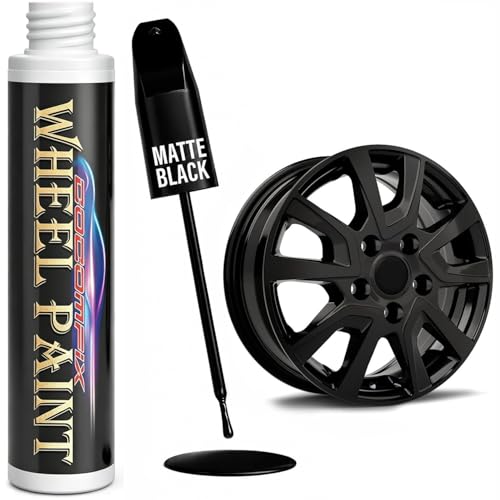
Historically, the restoration of damaged wheels was often relegated to specialized body shops, with minimal options available for the DIY enthusiast. Early attempts at an alloy wheel touch up were largely makeshift, relying on generic silver paints that rarely matched the complex metallic finishes of modern alloy rims. Consumers typically viewed these repairs as temporary stop-gaps rather than durable solutions, largely because the chemical formulations of the era lacked the heat-resistant binders required to survive the harsh conditions of a car's wheel well. Most repair methods were purely cosmetic, focusing only on covering the damage rather than sealing the exposed metal from oxidation and road salt.
In recent years, the market has undergone a significant transformation driven by advancements in polymer science and consumer-grade aerosol technology. Modern trends favor active-rich restorative kits that include advanced anti-corrosive primers and UV-stable clear coats. These systems are now designed with a strategic focus on layering, allowing for professional-level results at home. Today, manufacturers prioritize clear, instruction-heavy kits that emphasize the importance of base preparation as a functional prerequisite. This shift reflects a move toward long-term maintenance rather than quick fixes, enabling drivers to protect their wheels against the cumulative wear caused by brake dust and extreme temperature fluctuations.
Technical analysis of alloy wheel touch up mechanisms
The core variables determining the success of a repair involve precise control over drying cycles and adhesion techniques. When performing an alloy wheel touch up, failing to allow sufficient evaporation between the primer, base coat, and clear coat layers often results in solvent trapping. This oversight can weaken the paint structure, leading to premature delamination when exposed to the high heat cycles common in wheel hubs. Temperature and pressure management during application also play a significant role; applying product in high humidity or direct sunlight frequently compromises the chemical bond, necessitating a climate-controlled or shaded environment for optimal results.
| Feature | Best Practice | Common Mistake |
|---|---|---|
| Timing of Application | Calibrated to baseline levels to prevent system overload | Rushing the execution, leading to premature decay/failure |
| Absorption/Absorption Method | Patting gently or securing contact to encourage uniform integration | Applying forcefully or allowing air gaps, which reduces contact |
| Role in Routine | Acts as an intermediate priming layer to support the system | Using as a total replacement for core active components |
The data presented in the comparison table highlights the fine balance required for successful restoration. When the timing is calibrated correctly, each layer bonds securely to the substrate, creating a resilient finish that mimics the original factory powder coating. Conversely, common mistakes like over-application or inadequate curing times disrupt the mechanical bond, leaving the alloy vulnerable to oxidation. By viewing the process as a structured sequence rather than a singular event, users can avoid the common pitfalls that lead to aesthetic failure and hardware degradation.
Step 1: Workspace and Initial Preparation
Begin by ensuring the wheel is cool to the touch and completely free of brake dust and grease. Use a high-quality rim cleaner followed by an isopropyl alcohol wipe to remove any lingering oils. This stage is critical; any residual contaminants will act as a barrier to adhesion. Ensure that the damaged area is sanded smooth with fine-grit paper to feather the edges, as this baseline preparation directly dictates the smoothness and longevity of your final finish.
Step 2: Core Execution and Configuration
Apply the primer in thin, even coats, allowing adequate drying time as specified by the manufacturer. Once dry, build up the base coat with light, overlapping passes. Focus on maintaining a consistent distance between the nozzle and the surface to avoid dripping or pooling. For metallic finishes, this configuration is vital; if you apply too much at once, the metallic flakes will not orient correctly, resulting in an uneven, blotchy appearance that deviates from the original wheel color.
Step 3: Final Calibration and Stabilization
The final consolidation phase involves applying a high-performance clear coat to lock in the color and provide a barrier against the elements. Allow for a extended curing period—ideally 24 hours—before subjecting the wheel to road use. Avoid immediate pressure washing or aggressive scrubbing during this stabilization phase. Routine maintenance, such as gentle washing with pH-neutral soap, will further protect your work and secure the long-term durability of the alloy wheel touch up.
Current landscape or user debate of alloy wheel touch up

The current market for wheel restoration is segmented between budget-friendly DIY kits and high-performance, semi-professional systems. While casual users often opt for single-pen solutions, enthusiasts are increasingly gravitating toward comprehensive systems that include color-matched paint, industrial-grade primers, and dedicated clear coats. This market evolution reflects a growing consumer desire for longevity, with more users willing to invest time in the preparation phase to achieve a seamless blend. Budgetary constraints still drive a large segment of the market toward basic convenience, but the trend is clearly moving toward higher-quality, durable repair methodologies that provide a professional appearance.
- The trend toward smart color-matching technology allows for better integration with unique factory finishes, reducing the visible disparity between old and new paint.
- Modern users expect repairs to last at least 12 to 18 months, even under heavy daily driving conditions involving road salt and high brake temperatures.
- Availability is increasing through online platforms, making it easier for users to find vehicle-specific kits without having to source components from multiple retailers.
- Environmentally friendly water-based coatings are gaining popularity as a sustainable alternative to traditional solvent-based paints, offering reduced VOC emissions without sacrificing performance.
| User Segment | Preferred Configuration | Expected Outcome |
|---|---|---|
| Professional / Heavy Use | High-output, premium build with maximum control parameters | Long-term durability with consistent results |
| Standard / Daily Use | Balanced features, automated presets for ease of operation | Reliable everyday performance with minimal oversight |
There is an ongoing debate regarding the efficacy of manual application versus more automated or pre-mixed systems. Critics of manual customization argue that without professional-level equipment, the average user cannot achieve the same finish density as factory automation. Proponents, however, contend that with proper guidance and the correct tools, the individual can achieve a finish that is visually indistinguishable from the original for a fraction of the cost. The consensus suggests that while professional equipment offers a higher margin for error, the key to success for the individual remains a commitment to the detailed, multi-step process rather than the reliance on any single "magic" product.
Operational challenges and limitations of alloy wheel touch up
Implementing an effective alloy wheel touch up process is not without its difficulties, primarily revolving around environment and material compatibility. The biggest challenge users face is the delicate balance between achieving sufficient coverage and avoiding paint runs on vertical surfaces. Furthermore, ambient moisture and dust particles can easily contaminate the wet paint, leading to a textured or "orange peel" finish that is difficult to correct once cured. Maintenance overhead is also a concern; once the protective layer begins to break down due to prolonged UV exposure or chemical cleaner contact, the underlying paint becomes vulnerable again, requiring the user to monitor and potentially re-apply the clear coat periodically.
Future outlook and scenario projection for alloy wheel touch up
Looking ahead, the next decade promises significant innovations in wheel restoration technology. We expect to see the emergence of smart sensors that provide real-time feedback on curing progress, effectively taking the guesswork out of timing your next layer. Material science is also trending toward the development of advanced self-healing polymers that can fill minor scratches automatically when exposed to heat, potentially rendering current manual touch-up methods obsolete for common wear. Furthermore, the integration of AI-assisted color scanning apps will likely make perfect color matching more accessible to the average consumer, allowing for a near-perfect factory finish that requires minimal technical skill to implement effectively within any residential setting.
| Timeline | Expected Breakthrough | Impact on User Experience |
|---|---|---|
| Next 2-3 Years | Smart sensor integration and real-time feedback loops | Elimination of user error and automatic calibration |
| Next 5-10 Years | Biodegradable/Self-healing materials and high-efficiency coils | Drastically reduced maintenance and lifetime durability |
Conclusion
In conclusion, understanding the correct setup and execution of alloy wheel touch up is essential for securing optimal results. By following the best practices and calibration guidelines detailed in this guide, users can ensure long-term efficiency and consistent performance.
Frequently Asked Questions
How do I determine the correct paint color match for my alloy wheels?
Locate the manufacturer's specific color code in your vehicle's manual or use a digital color-matching tool to match the factory silver, gunmetal, or black finish.
Is it necessary to remove the wheel from the vehicle before performing a touch-up?
While you can touch up minor curb rash while the wheel is mounted, removing the wheel allows for better access, safer sanding, and more precise paint application.
What is the most effective way to prep a scratched alloy surface?
Carefully sand the damaged area with 400-grit sandpaper to smooth the metal, followed by a thorough wipe-down with isopropyl alcohol to remove all brake dust and oils.
Do I need to apply a clear coat over the touch-up paint?
Yes, a clear coat is essential to protect the repair from UV rays, brake dust, and harsh weather conditions while matching the gloss level of the surrounding finish.
How long should I let the touch-up paint cure before driving?
Allow the paint to air dry for at least 30 minutes, but wait at least 24 hours for the clear coat to fully cure before subjecting the wheel to road debris or moisture.
Can I use standard automotive spray paint for alloy wheel repairs?
Standard paint lacks the high-heat resistance and chemical durability required for wheels; use a dedicated wheel paint specifically formulated for alloy surfaces.
How do I handle deep gouges in the alloy metal?
Fill deep gouges with a metal-reinforced body filler, sand it flush once dry, and prime the area before applying your base coat.
Will a touch-up repair be invisible after completion?
A proper repair will be virtually unnoticeable from a standing position, though results depend on your ability to feather the edges of the paint and match the factory finish.