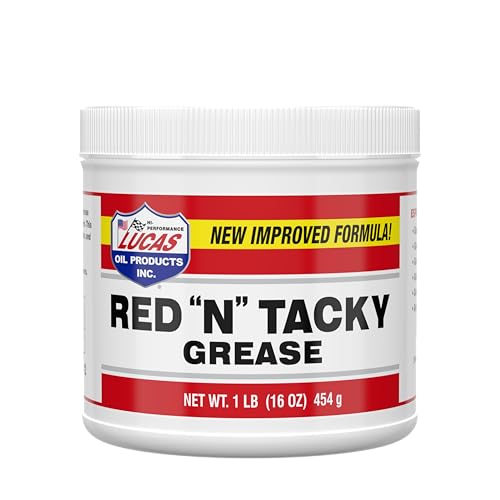
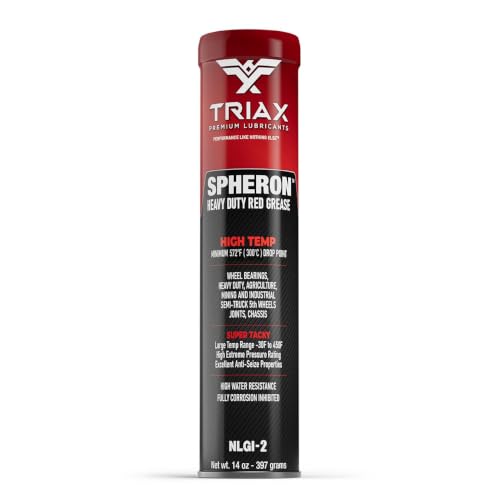
Navigating the nuances of vehicle maintenance requires precision, which is why our The 10 Best Wheel Bearing Greases: An Expert's Guide & Reviews Sizing & Specs Checklist serves as your definitive reference for performance and longevity.
This guide is crafted for automotive enthusiasts and DIY mechanics who possess basic mechanical knowledge and wish to transition from standard maintenance to expert-level care. It assumes you are comfortable removing wheels and hub assemblies.
By the conclusion of this deep dive, you will be able to distinguish between NLGI grades, identify thickener compatibility, and perform a professional-grade bearing repack that minimizes friction and heat-related wear.
- Understanding NLGI grease consistency grades.
- The chemical importance of lithium complex vs. synthetic base oils.
- Diagnostic criteria for when a grease has exceeded its service life.
- Standard operating procedures for purging old contaminants.
- How to verify sizing and specs to ensure optimal load distribution.
Overview & Prerequisites

Required Tools and Safety Gear
To begin, you will need a reliable floor jack, jack stands, a bearing packer tool or clean nitrile gloves for hand packing, a torque wrench, and solvent for cleaning the housing. Always wear eye protection and gloves to avoid skin irritation from petroleum distillates.
Defining Your Application
Not all wheel bearings operate under the same thermal conditions. High-performance, towing, and daily-commuter vehicles require different viscosity indices. For more context on choosing the right products, see The 10 Best Wheel Bearing Greases: An Expert’s Guide & Reviews vs Top Competitors: Which is Best?.
Pro Tip: Verify your specific manufacturer's technical manual for grease compatibility before mixing new grease with existing residues; mismatched thickeners can cause oil separation.
Core Concepts & Fundamentals

Understanding NLGI Grades and Dropping Points
Grease is characterized by its National Lubricating Grease Institute (NLGI) grade, which dictates its thickness. A Grade 2 is generally the industry standard for wheel bearings, providing the balance between flow and retention. The dropping point refers to the temperature at which the grease turns from a semi-solid to a liquid; higher is generally better for heavy-duty applications.
Thickener Chemistry Compatibility
The thickener (the "sponge" holding the oil) dictates how the grease handles water washout and mechanical shear. Lithium complex is common, but you must ensure your selection aligns with the manufacturer's specified performance tier. Learn more about matching your gear in What Are Alloy Wheels: Buyer Guide for 2026 Vehicle Upgrades Complete Specifications, Sizing & Features.
| Feature | Incorrect Model | Expert Model |
|---|---|---|
| Mixing Greases | Adding new over old | Complete purge and clean |
| Packing Density | Filling the entire hub | Packing the bearings only |
| Frequency | Only when broken | Scheduled thermal monitoring |
Step-by-Step Execution Guide

Preparation and Cleaning Phase
The success of the application depends entirely on a sterile environment. Remove the hub, extract the bearings, and use a parts washer or non-residue solvent to remove all old, degraded grease. Inspect the races for pitting or heat discoloration.
Packing and Reassembly Phase
Apply the grease from the wide end of the bearing, forcing it through until it purges from the smaller end. Ensure uniform distribution around all rollers before seating.
Recommended Equipment & Solution

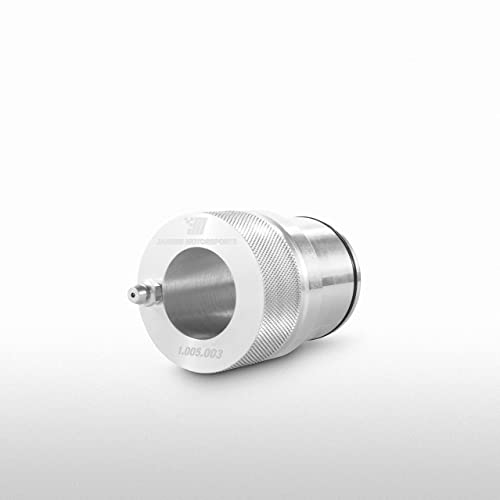
KEMIMOTO 44mm Front Rear Wheel Bearing Greaser
A reliable pick for KEMIMOTO 44mm Front Rear Wheel, selected based on this article's guidance.

Timken GR224TUB Red High Temp Wheel Bearing
A reliable pick for Timken GR224TUB Red High Temp, selected based on this article's guidance.
Best Practices & Pro Tips

Maintaining Thermal Stability
Monitor your wheel hubs after long drives. If they feel excessively hot to the touch, it often indicates over-packing or bearing degradation. Always wipe excess grease from the outside of the seal to prevent it from attracting abrasive road debris.
Long-Term Reliability
Troubleshooting & Common Pitfalls

Identifying Premature Wear
If you notice a humming or grinding noise while cornering, your grease may have failed, leading to friction. Review common issues in 7 Common Problems with The 10 Best Wheel Bearing Greases: An Expert’s Guide & Reviews (and Quick Fixes).
Failure Modes
Frequently Asked Questions
How often should I repack my wheel bearings?
A: Generally, every 20,000 to 30,000 miles is recommended, though severe towing conditions require more frequent inspection.
Can I mix synthetic and conventional grease?
A: It is not recommended, as the different base oils and additives may cause the thickener to collapse.
What is an NLGI #2 grade?
A: It is the most common consistency for automotive wheel bearings, offering a balance between pumpability and staying power.
Why is the dropping point important?
A: A higher dropping point indicates the grease can withstand higher operating temperatures without turning into a liquid.
Do I need to pack the entire hub cavity?
A: No, you should only pack the bearing assembly itself; filling the cavity can lead to heat buildup.
What should I look for in a grease for towing?
A: You need a grease with high water resistance and excellent shear stability to handle increased load pressures.
How can I tell if my grease has expired?
A: Look for signs of oil separation, a significant change in color, or a hardening of the grease texture.
Is it possible to over-grease a bearing?
A: Yes, excessive grease causes internal pressure and heat, which can blow out the hub seals.
Key Takeaways
- 1 Always perform a full purge of old grease.
- 2 Match your grease type to your vehicle's specific load requirements.
- 3 NLGI Grade 2 is the standard for most automotive applications.
- 4 Never mix different grease brands or chemistries.
- 5 Proper seal installation is as important as the grease quality itself.
- 6 Use a bearing packer for uniform distribution and air removal.
- 7 Regularly monitor hub temperatures during heavy-duty usage.
Conclusion
Mastering the application of the 10 best wheel bearing greases is a foundational skill that directly correlates to vehicle safety and longevity. By adhering to the cleaning and packing techniques outlined in this guide, you ensure that your vehicle remains reliable under various driving conditions.
Consistent maintenance is the secret to extending the life of your wheel assembly components. For further reading, check out The 10 Best Wheel Bearing Greases: An Expert’s Guide & Reviews vs Top Competitors: Which is Best?.
Precision, patience, and the right product ensure your wheels keep turning smoothly for miles to come.
📌 Pillar Resource: Read our complete our The 10 Best Wheel Bearing Greases: An Expert's Guide & Reviews resource for in-depth insights.