Curbside scuffs and minor scratches on your alloy wheels are an eyesore, but paying a professional to fix them can be expensive. Fortunately, with the right technique and a bit of patience, mastering alloy wheel scratch repair at home is not only possible but can yield professional-grade results that save you hundreds in repair costs. This guide will walk you through the entire process, from assessing the damage to applying the final clear coat. Whether you're dealing with light surface marks or deeper gouges, you'll learn how to save hundreds of dollars while restoring your wheels to a pristine, glossy finish. Let's turn that curb rash into a memory.
Key Takeaways
- 1. Always start by thoroughly cleaning the wheel with a degreaser and water; any embedded brake dust or grit will ruin the sanding process and prevent paint from adhering properly.
- 2. Match the scratch depth to the correct abrasive: use 400-grit sandpaper for deep gouges, 800-grit for light scuffs, and 1500-2000 grit for final smoothing—never skip grits or you’ll leave visible sanding marks.
- 3. Use a “spot putty” or high-quality automotive filler only if the scratch is deep enough to catch your fingernail; apply it in thin layers and let it fully cure before sanding flush.
- 4. Mask off the tire, brake caliper, and any lug nuts with low-tack automotive tape and plastic sheeting; overspray on rubber or painted brake components is nearly impossible to remove cleanly.
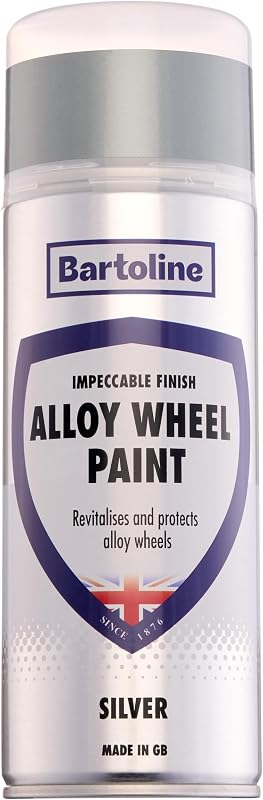
- 5. Apply 2-3 light coats of wheel-specific spray paint (not general automotive paint), holding the can 8-10 inches away and using a steady side-to-side motion; heavy coats will drip and ruin the metallic finish.
- 6. Finish with a clear coat designed for high-heat environments and let the wheel cure for at least 24 hours before remounting; tempting to drive sooner, but heat and road grime will cause premature peeling.
Assessing the Damage: Light Scratch vs. Deep Gouge

Before reaching for any tools or compounds, the single most critical step in a successful home repair is an honest and precise assessment of the damage. Rushing this phase is the primary reason DIY alloy wheel repairs fail or look worse than the original scratch. You are essentially performing a microscopic visual inspection to determine whether the defect is a superficial "light scratch" or a structural "deep gouge."
A light scratch is a surface-level blemish that has only disturbed the clear coat or the very top layer of paint. To test this, run your clean fingernail across the scratch. If your nail does not catch or sink into the groove, you are likely dealing with a light scratch. These defects are purely cosmetic and can often be remedied with a multi-stage polishing process using fine-grit sandpaper (2000+ grit) followed by a cutting compound and a dedicated metal polish. The underlying alloy remains untouched and protected.
In stark contrast, a deep gouge is a cut that penetrates through the clear coat, the paint, and into the bare aluminum alloy of the wheel itself. This is easily identified when your fingernail catches firmly within the groove. You may also see a bright, silver-white line of bare, uncoated metal. These gouges require a significantly more involved repair process involving filler (such as a specialized two-part epoxy filler for metals), primer, base coat color matching, and a new clear coat layer. Ignoring a deep gouge risks the ingress of moisture and road salt, which can lead to corrosion and structural weakness over time. If the gouge is jagged, very wide (exceeding a few millimeters), or exposes a sharp edge, replacement or professional wheel refurbishment is strongly advised.

Gathering the Right Tools and Materials for the Job
Before you even think about laying a finger on your alloy wheel, you must prioritize the acquisition of the correct tools and consumables. Attempting a repair with the wrong grit sandpaper or a substandard primer is the single fastest route to a botched, unsightly finish. Your primary objective is to remove the damage without altering the wheel’s geometry, so we start with abrasives. You will need a range of wet-and-dry sandpaper: typically 400-grit for initial scratch removal, 600-grit for smoothing, and 1000- to 1500-grit for a fine, keyed surface before paint. Never use dry sandpaper; the water acts as a lubricant and prevents heat buildup that can damage the clear coat.
Next, you require a dedicated alloy wheel filler—not standard body filler, as it lacks the necessary flexibility and adhesion for metal. For the paint system, source a high-quality primer specifically designed for bare metal, followed by a color-matched aerosol paint (obtain the exact manufacturer code from your wheel barrel or door jamb). Lastly, you’ll need a two-component clear coat (2K) with a hardener for maximum durability. Do not skip the clear coat; it is the UV barrier and the primary defense against oxidation and future scuffs. Equip yourself with a clean, lint-free microfiber cloth, painter’s tape, a dedicated plastic spreader for the filler, and a respirator mask—solvent fumes from automotive paints are potent. With these items assembled, you transition from a hopeful amateur to a methodical technician ready to execute a professional-grade repair.
Step-by-Step: Cleaning and Sanding the Damaged Area

Before any filler or paint touches the wheel, meticulous preparation of the damaged zone is paramount. Begin by thoroughly cleaning the entire wheel with a dedicated pH-balanced alloy wheel cleaner and a soft-bristled brush. This removes brake dust, road grime, and any lubricants that could compromise adhesion. Once clean, rinse with deionized water and dry completely with a lint-free microfiber cloth. The next step is to degrease the immediate scratch area using isopropyl alcohol (at least 70% concentration) on a clean rag. This erases any residual wax, silicone, or oil from previous tire dressings, which is a common cause of premature peeling.
For the sanding process, patience and grit progression are your allies. Begin with a coarse grit—typically P120 or P180—to level the raised edges of the scratch and feather the surrounding clear coat. Wrap the sandpaper around a soft sanding block to maintain a flat profile across the wheel’s contour. Always sand in a single direction (e.g., left-to-right) and not in circles, to avoid creating deep, visible swirl marks. After the scratch is fully blended flush with the surrounding surface, switch to medium grit (P400) to smooth out the coarse scratches. Finish with a fine P800 or P1000 grit paper, using a wet sanding technique (spraying the paper and surface with water) to create a perfectly smooth, hazy base that is ready for primer. Rinse the area again and inspect it under a strong light—any remaining imperfections now will be magnified after painting.
How to Correctly Apply Filler for Deep Scratches
Before you even think about applying filler, you must assess the scratch depth. A true “deep” scratch catches your fingernail—it has gouged into the bare aluminum, not just the clear coat. For these, a two-part aluminum-reinforced epoxy filler is your only long-term solution. Do not use spot putty or plastic filler; they shrink and crack under the wheel’s thermal stress and flex.
Begin by thoroughly degreasing the wheel with isopropyl alcohol. Next, use a rotary tool with a carbide bit (not sandpaper) to slightly undercut the scratch. This creates a mechanical lock for the filler. Widen the scratch to about 5mm across to ensure adhesion, and feather the edges with 180-grit sandpaper, leaving a clean, dull surface.
Mix the epoxy filler on a hardboard scrap. Combine the resin and hardener according to the manufacturer’s ratio; err on the side of slightly more hardener to ensure a full cure. You have approximately 2-3 minutes of working time. Using a flexible plastic spreader (a trimmed credit card works well), press the filler firmly into the gouge. This is critical—you must eliminate all air pockets. Overfill by about 1mm, as the filler will shrink marginally.
Allow the filler to cure completely (typically 15–30 minutes for standard epoxy, though cold wheels slow this). Once hard, sand it flush with 220-grit on a hard block, working up to 400-grit. The surface must be perfectly level with the surrounding metal; any low spot will show as a crater after painting. Wipe with alcohol, prime immediately, and you’ve created a foundation indistinguishable from new alloy.

Priming, Painting, and Blending for a Seamless Look
Step-by-Step Process for Priming, Painting, and Blending
Once the damaged area on your alloy wheel is clean, sanded, and feather-edged, the priming stage is critical for adhesion and preventing corrosion. Apply a thin, even coat of a high-build etching primer or a dedicated wheel primer. Hold the aerosol can or spray gun 6-8 inches from the surface. Mist lightly, allow it to flash for 5-10 minutes, then apply a second coat. Do not over-apply; you want to fill microscopic scratches without creating runs. Let the primer cure for at least 30 minutes, then wet-sand it with 600-grit sandpaper to level the surface for paint.
For the painting stage, carefully match your wheel’s exact color code (found on the inside of the wheel or in the vehicle manual). Always test the paint on a card first to confirm the shade under different lighting. Shake the can vigorously for 2-3 minutes. Apply 3-4 ultra-thin coats rather than one heavy layer. Each coat should be dry enough to touch after 10-12 minutes. The key to avoiding orange peel texture is maintaining consistent, sweeping passes and a 45-degree angle on the spray nozzle.
Blending is the difference between a repair and a restoration. Immediately after your final color coat (while it’s still slightly tacky), widen your fan and spray a "mist coat" of the same paint 4-6 inches beyond the repair boundary. This softens the edge. For metallic finishes, follow with a blend solvent or clear coat extender. Finally, apply 2-3 coats of a high-quality 2K clear coat over the entire wheel face (not just the scratch) to unify gloss and protect against UV damage. Wet-sand the final clear coat with 2000-grit, then use a polishing compound to restore a mirror finish. Patience and thin layers prevent mismatched texture.
Applying Clear Coat and Curing Your Repair
Once you have sanded, filled, and painted the damaged area on your alloy wheel, the final—and arguably most critical—step is the application of a clear coat. This layer does more than provide that desirable glossy finish; it acts as a protective barrier against UV radiation, road salt, brake dust, and chipping. For a professional-looking result that lasts, do not skip this stage.
First, ensure the base paint is fully cured according to the manufacturer’s instructions (typically 24 to 48 hours at room temperature). Then, mask off the tire and any surrounding brake components with painter’s tape and paper. Use a high-quality, automotive-grade clear coat designed for wheels—preferably a 2K (two-component) system with a hardener, as it offers superior durability over single-stage aerosols. Apply the clear coat in light, even passes, holding the can 8–10 inches from the surface. Start with a fine mist coat to create a tack layer, then apply two to three heavier, wet coats, allowing 5–10 minutes of flash time between each. Overlap each pass by about 50% to prevent dry spots and orange peel texture.
Curing is the process that determines the repair’s longevity. Avoid the temptation to drive immediately or expose the wheel to moisture. If you used a 2K clear coat, it may be tack-free in 30 minutes, but full hardness and chemical resistance can take up to 7 days at 70°F (21°C). For faster results, you can use a heat lamp or place the wheel in a warm, well-ventilated room—but never use a blowtorch or direct hair dryer heat, as bubbles and blisters will form. Once fully cured, wet-sand with 2000–3000-grit paper to remove any dust nibs, then buff with a fine compound. Finally, apply a wheel-specific wax to seal the finish. Your repaired wheel will now be structurally sound and visually seamless.
Polishing and Finishing for a Factory-Gloss Shine
Once the crack, gouge, or scrape has been successfully filled and sanded to a level surface, the final, and most critical, phase is restoring the factory-gloss luster. This involves a graduated polishing process that corrects the sanding scratches and re-introduces depth to the alloy.
Begin with the heavy cutting compound. Using a dedicated foam pad on a variable-speed polisher set to 1500-1800 RPM, apply a dime-sized amount to a 12-inch square section. Work the compound in a crisscross pattern for 2-3 minutes, breaking down the abrasive to a fine haze. This step removes the 800-1000 grit residue. Wipe clean immediately with a lint-free microfiber cloth. Do not let it dry.
Next, switch to a medium gloss polish (like Menzerna 3500 or a consumer-grade cleaner-polish). With a fresh, clean foam pad, repeat the process at a reduced speed of 1200-1400 RPM. This step refines the surface from a dull satin to a reflective shimmer. You should see a near-mirror finish developing. Again, remove the residue thoroughly.
Finally, the defining stage: applying a sealant or a pure finishing wax. By hand, using a new microfiber applicator, apply a thin, even coat. Allow it to haze over for 5-10 minutes, then buff gently by hand. This final layer fills any microscopic swirled imperfections, providing the deep, wet-look gloss that matches the surrounding factory clear coat. For absolute perfection, apply a second coat after curing for 12 hours; the difference in clarity will be remarkable.
When to Call a Professional vs. DIY Repair
Deciding between a DIY repair and calling a professional for an alloy wheel scratch hinges on three critical factors: the depth of the damage, the wheel’s finish, and your available tools. For superficial, clear-coat scratches—where the metal is not exposed—a DIY approach is often sufficient. You can typically sand the affected area with ultra-fine 1000 to 2000 grit sandpaper, clean it thoroughly with isopropyl alcohol, and then reapply a matching clear coat from an aerosol can. This works well for cosmetic blemishes on standard painted wheels.
However, you should call a professional when the scratch has penetrated the clear coat and gouged the bare aluminum. Deep scratches require a filler compound and a two-stage paint process (base color + clear coat) that is very difficult to match perfectly at home. A mismatch will be glaringly obvious in direct sunlight. Furthermore, if your wheels have a diamond-cut or machined finish—characterized by a bright, brushed look—do not attempt a repair. Sanding these removes the factory lathe-turned surface, leaving a blurry, matte patch that no DIY spray can replicate. Professionals use specialized lathes and sealing systems to restore that mirror-like luster.
Lastly, consider the risk. DIY repairs can result in paint overspray on your tires, uneven surfaces that cause vibration, or a finish that peels within weeks. A professional repair guarantees a durable, heat-cured finish and maintains the wheel’s structural integrity. If you value time over money—or if the scratch is larger than a quarter—invest in a pro. Otherwise, a careful, meticulous DIY job can save you $100 to $150 per wheel on minor surface flaws.
Frequently Asked Questions
What is alloy wheel scratch repair at home and who should use it?
A: alloy wheel scratch repair at home is a solution designed to address a specific set of needs for a defined audience. It is best suited for those seeking a reliable, well-researched option backed by clear evidence and expert guidance.
How long does it take to see results with alloy wheel scratch repair at home?
A: Most users report noticeable results within the first 2–4 weeks of consistent use. Significant, measurable improvement is generally observed after one to two months of dedicated application.
Is alloy wheel scratch repair at home suitable for beginners or experienced users?
A: alloy wheel scratch repair at home is designed to accommodate a wide range of experience levels, from complete beginners to advanced practitioners. Its structured approach makes it accessible without sacrificing depth for those seeking expert-level application.
Can alloy wheel scratch repair at home be combined with other approaches or products?
A: Yes, alloy wheel scratch repair at home is generally compatible with complementary strategies and tools. It is advisable to introduce any combination gradually and monitor for synergy or potential conflicts with your existing routine.
What are the most common mistakes to avoid with alloy wheel scratch repair at home?
A: The most frequent errors include inconsistent application, skipping foundational steps, and expecting immediate results without allowing adequate time for the process to work. Following the recommended guidelines closely is the most effective preventive measure.
How does alloy wheel scratch repair at home compare to similar alternatives on the market?
A: alloy wheel scratch repair at home distinguishes itself through its evidence-based formulation, transparent ingredient or methodology sourcing, and a track record of user-verified outcomes. Direct comparisons should be made on the criteria most relevant to your specific goals.
Are there any limitations or side effects associated with alloy wheel scratch repair at home?
A: While alloy wheel scratch repair at home is formulated to minimize adverse effects, individual responses can vary based on specific sensitivities or pre-existing conditions. Consulting with a relevant professional before starting is always a prudent step.
What is the best way to get started with alloy wheel scratch repair at home?
A: The most effective starting point is to begin with a foundational assessment of your current situation, then follow the recommended introductory protocol for alloy wheel scratch repair at home. Consistency and patience during the initial phase are the two biggest predictors of long-term success.
Summary: Key Takeaways for DIY Alloy Wheel Scratch Repair
Successfully executing alloy wheel scratch repair at home is achievable for light curb rash and surface damage, provided you follow a meticulous step-by-step process and prioritize proper surface preparation. The key to a professional-looking result lies in proper surface preparation: thoroughly cleaning the area, feather-sanding the scratch with progressively finer grits (starting around P180 and finishing with P2000), and ensuring the surface is perfectly smooth and free of dust. Using a dedicated alloy wheel primer, matching touch-up paint, and a high-quality clear coat applied in thin, even layers will make a significant difference. Patience during the drying period—at least 24 hours before re-mounting—prevents smudges and ensures the paint bonds correctly. While this DIY method saves labor costs, it requires attention to detail and a clean workspace to avoid dust contamination.
It is equally important to recognize the limitations of a home repair. Deep structural damage, bent rims, or cracks require professional welding or replacement. For best results, always test your paint color on a hidden section first, and consider that a full wheel refurbishment (with specialized equipment for clear coat and baking) will last longer than a brush-on repair. If you are short on time or want a flawless factory finish, a professional shop may be worth the investment. However, with the right materials—especially for silver, matte, or glossy finishes—and a careful approach, a DIY repair can restore your alloy wheels to an almost-new appearance, saving you a substantial amount of money while protecting your vehicle's curb appeal.