When you set out to learn how to check tire pressure, you are immediately faced with a choice: should you rely on traditional analog gauges or modern digital gauges? While both methods accomplish the same goal, their mechanical differences impact how easily you can read results and maintain long-term accuracy.
Many drivers struggle to choose between these two because the "best" option often depends on personal preference, climate, and how frequently you perform your own maintenance. A traditional dial or stick gauge might be more rugged, while a digital sensor offers precision that is easier for some to interpret in low-light conditions.
This guide breaks down the technical differences, accuracy considerations, and usability trade-offs to help you decide which tool fits your garage. By the end, you will understand exactly which mechanism serves your specific vehicle needs best.
- Mechanical robustness and build quality.
- Readability in varying light and temperature conditions.
- Calibration stability and long-term maintenance requirements.
- Ease of use during routine checks.
- Cost-to-performance ratio for home users.
Overview & Head-to-Head Summary

The Analog Standard
Analog gauges utilize a mechanical Bourdon tube or a sliding piston mechanism. They are favored for their simplicity, as they require no batteries and are generally less sensitive to extreme cold, which can sometimes drain liquid crystal displays.
The Digital Advantage
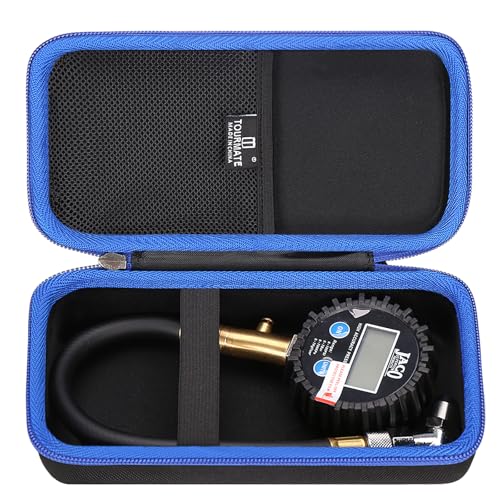
Digital gauges rely on an electronic sensor that converts pressure into a numerical reading on an LCD screen. These are popular for their rapid, unambiguous readings and often include backlighting for night use.
| Feature | Analog Gauge | Digital Gauge |
|---|---|---|
| Power Source | None | Batteries Required |
| Display | Needle/Dial | Numeric LCD |
| Durability | High (No Electronics) | Moderate |
| Accuracy | Subjective Reading | Precise Reading |
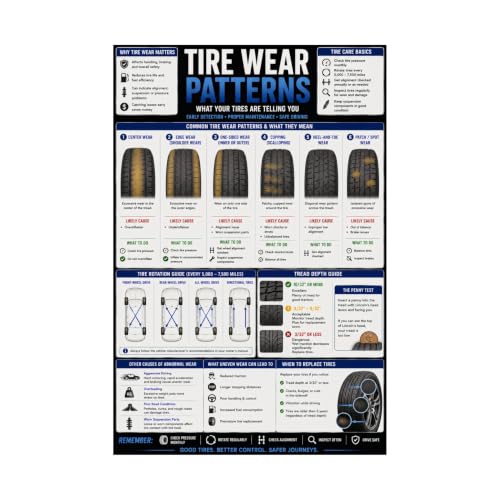
Always consult your vehicle manual before adjusting pressures, as recommended levels change based on load and Best Tire Wear Patterns requirements.
Key Differences & Core Features

Mechanical Architecture and Reliability
The primary architectural difference lies in the internal movement. Analog devices use springs and mechanical linkages that can eventually wear out or lose calibration if dropped. Digital tools use piezoresistive pressure sensors that are highly accurate but can fail if the circuitry is compromised by moisture or extreme heat.
Usability and Reading Clarity
Digital gauges remove the "human element" from interpreting where a needle lands on a dial. If you find small analog increments difficult to read, digital is the logical choice. However, analog devices are often preferred by enthusiasts who value the "zero-failure" nature of mechanical equipment.
| Dimension | Analog | Digital |
|---|---|---|
| Reading Speed | Moderate | Instant |
| Maintenance | Periodic Calibration | Battery Changes |
| Portability | Very High | High |
For more on vehicle maintenance, read our guide on How to Remove Rust From Alloy Wheels (Iron Removal Guide) Complete Specifications, Sizing & Features.
Performance & Real-World Analysis

Testing in Varied Environments
Real-world performance depends on your storage environment. If you store your tools in an unheated garage, digital screens may become sluggish in winter. Conversely, analog needles can stick if debris enters the housing.
Evaluating Tool Consistency
Both types perform adequately when maintained. The most reliable performance comes from high-quality devices, regardless of the display technology.
Best Use Cases & Ideal Scenarios
When Option A (Analog) Makes More Sense
Analog gauges are ideal for off-road enthusiasts and those who keep tools in their trunk for years. They are ready to use whenever needed, without the concern of dead batteries.
When Option B (Digital) Makes More Sense
Digital gauges are better for daily commuters who want quick, precise confirmation before heading to work. They are also superior for older users or those with vision constraints who struggle to read fine dial markings.
When It Genuinely Doesn't Matter
For a basic household vehicle that is checked only once every few months, either option will provide the necessary data to keep your tires safely inflated.
Recommended Equipment & Solution

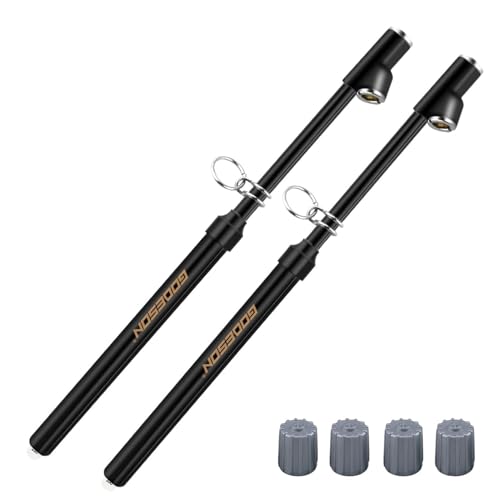
LUMITECO 12'' Dual Head Tire Pressure Gauge
A reliable pick for LUMITECO 12'' Dual Head Tire, selected based on this article's guidance.

ETENWOLF Tire Pressure Gauge for Cars 0-75
A reliable pick for ETENWOLF Tire Pressure Gauge, selected based on this article's guidance.
Final Verdict & Decision Framework

Quick Decision Checklist
Use our decision table below to align your habits with the right tool. Remember, the accuracy of your pressure check is more critical than the style of the tool you use.
| Your Priority | Recommended Choice |
|---|---|
| Zero Maintenance | Analog |
| Maximum Speed | Digital |
| Extreme Reliability | Analog |
| Precision Readability | Digital |
Choose Analog for extreme climate durability.
Choose Digital for quick morning check-ups.
Always prioritize comfort to ensure you actually perform the check.
Frequently Asked Questions
Do I need to calibrate my digital gauge?
A: Most digital gauges do not require user calibration, but they should be tested against a known master gauge periodically.
Are analog gauges always accurate?
A: Analog gauges are generally accurate, but they can drift if the mechanical components are subjected to impact or extreme temperature shifts.
How long do digital gauge batteries last?
A: Battery life varies, but most quality digital units last for several years of intermittent use.
Which gauge is better for high-pressure tires?
A: Both types can handle high pressure, provided the unit is rated for that specific PSI range.
Can I leave an analog gauge in the car year-round?
A: Yes, analog gauges are highly resistant to temperature fluctuations and are ideal for glovebox storage.
Is one type faster to use?
A: Digital gauges often provide an instant readout, while analog gauges may require a few seconds for the needle to settle.
Do digital gauges have an auto-off feature?
A: Most modern digital gauges include an automatic power-off feature to conserve battery life after use.
Which type is better for the environment?
A: Analog gauges are often considered more eco-friendly as they do not require disposable batteries.
Key Takeaways
- 1 Analog gauges offer mechanical reliability without batteries.
- 2 Digital gauges provide superior reading speed and clarity.
- 3 Environment determines durability; analog thrives in extremes.
- 4 Regular checks remain more important than tool type.
- 5 Always check your tire pressure when the tires are cold.
- 6 Digital units may struggle with battery power in freezing weather.
- 7 Consistent testing with one reliable tool is the best practice.
Conclusion
Deciding how to check tire pressure ultimately comes down to your personal workflow. If you prefer a "set it and forget it" tool that lives in your trunk, an analog gauge is the sensible choice. If you want a fast, clear reading as part of a quick weekly routine, a digital gauge will likely provide a better user experience.
Whichever path you choose, ensure you maintain your gauge by keeping it clean and stored properly. Proper maintenance of your tools leads to safer driving and ensures you are always prepared for the road.
For deeper insights into tire maintenance, see Best All Season Tires 2026: Top Rated Picks for Every Driver.