Mastering the How to Remove Rust From Alloy Wheels (Iron Removal Guide) Sizing & Specs Checklist is essential for any car owner looking to maintain the aesthetic and structural integrity of their vehicle's aesthetic focal point.
This guide is designed for automotive enthusiasts and DIYers who possess a basic understanding of vehicle maintenance. We assume you are comfortable working with standard cleaning tools and are looking for professional-grade techniques to tackle oxidation and brake dust accumulation.
By the end of this guide, you will be able to safely identify the severity of wheel oxidation, select the appropriate chemical agents, and execute a multi-stage cleaning process that prevents long-term alloy degradation.
- Understanding the chemical difference between surface oxidation and embedded brake iron.
- Matching your wheel finish (painted, powder-coated, or polished) to the correct iron remover.
- Identifying the specific sizing and specs for long-term maintenance.
- The safe, sequential application of non-acidic versus acidic cleaning agents.
- Best practices for sealing wheels after the rust removal process.
Overview & Prerequisites

Required Tools and Material Safety
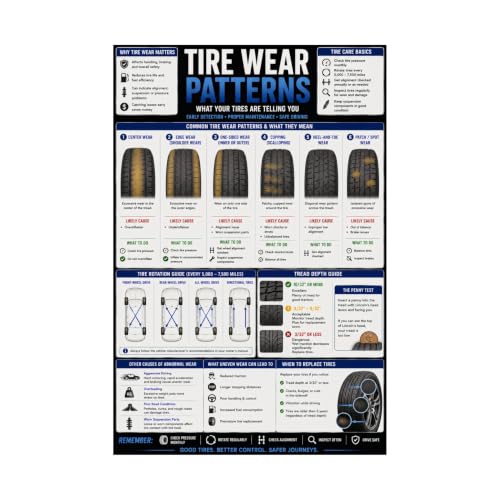
Before beginning the iron removal process, ensure you have the proper inventory. You will need a high-quality pH-balanced iron fallout remover, soft-bristle wheel brushes, microfiber towels, and personal protective equipment including gloves and eye protection. For a comprehensive look at vehicle maintenance, see our Best Tire Wear Patterns: Identify Maintenance Needs Easily guide.
Target Audience & Skill Level
This guide is intended for owners who prioritize vehicle longevity. Whether you are prepping for a seasonal tire change or simply addressing neglected wheels, knowing the limitations of your equipment is vital. If you are unsure about your current wheel specs, it is best to review Llantas: Guía completa para elegir las mejores y maximizar tu seguridad to ensure you are working with the correct hardware.
Core Concepts & Fundamentals

Understanding Alloy Oxidation vs. Iron Deposits
True "rust" on an alloy wheel is often misidentified. While iron wheels rust due to oxidation, alloy wheels—typically made from aluminum—suffer from brake dust embedding and clear coat degradation. Effective removal requires chemical agents that react specifically with iron particles (ferrous materials) without etching the aluminum substrate.
Selection Criteria Based on Specs
The How to Remove Rust From Alloy Wheels (Iron Removal Guide) Sizing & Specs Checklist emphasizes that not all wheels are created equal. Polished, unfinished alloys react aggressively to strong acidic cleaners, whereas powder-coated wheels offer higher resistance. Understanding your manufacturer's specs regarding finish type is crucial to preventing permanent surface damage.
| Feature | Correct Approach | Incorrect Approach |
|---|---|---|
| Chemical Choice | pH-Balanced Iron Fallout Remover | Aggressive Acidic Wheel Cleaners |
| Agitation | Soft Horse-hair or Microfiber Brushes | Steel Wool or Stiff Wire Brushes |
| Rinsing | High-Pressure Water Rinse | Air-dry after chemical application |
For more comparisons on maintenance products, refer to How to Remove Rust From Alloy Wheels (Iron Removal Guide) vs Top Competitors: Which is Best?
Step-by-Step Execution Guide

Preparation and Initial Rinse
Ensure the wheels are cool to the touch. Cleaning hot wheels can lead to premature drying of the chemicals, which may cause staining. Start by rinsing the wheels thoroughly with water to remove loose debris, dust, and road grime.
Application and Neutralization
Best Practices & Pro Tips

Maintaining Long-Term Wheel Health
Consistent maintenance is the secret to longevity. By following the How to Remove Rust From Alloy Wheels (Iron Removal Guide) Sizing & Specs Checklist regularly, you minimize the risk of pitting. Consider rotating your wheel cleaning schedule with your seasonal tire rotations.
Pro-Level Refinements
Troubleshooting & Common Pitfalls

Identifying Failed Removal Attempts
If the "rust" remains after the cleaning, you may be dealing with clear coat failure or road tar rather than iron fallout. Persistent staining often requires clay bar treatment or, in extreme cases, professional refinishing.
Fixing Common Mistakes
Frequently Asked Questions
How often should I perform an iron removal treatment?
A: For most daily drivers, an iron removal treatment every 3 to 6 months is sufficient to prevent buildup.
Is it safe to use iron remover on chrome wheels?
A: Yes, generally, but you must ensure the product is labeled safe for chrome. Always check the manufacturer specs first.
Does brake dust eventually damage alloy wheels permanently?
A: Yes, if left untreated for long periods, brake dust can eat through the clear coat and cause permanent corrosion of the alloy.
Why does the cleaner turn purple?
A: The purple color is a chemical reaction occurring when the active ingredient contacts iron particles, signaling it is working.
Can I use a pressure washer on my alloy wheels?
A: Yes, but keep the nozzle at least 12 inches away to avoid damaging the finish or valve stems.
Is it necessary to remove the wheels from the car?
A: It is not strictly necessary, but it allows for easier access to the inner barrels and brake calipers for a deeper clean.
What if my wheels are painted black?
A: Painted wheels require high-quality pH-balanced cleaners to avoid dulling or streaking the finish over time.
Does sealing the wheels really make a difference?
A: Absolutely. A high-quality sealant makes the surface slicker, which prevents contaminants from sticking and simplifies future maintenance.
Key Takeaways
- 1 Identify your wheel finish before selecting chemicals.
- 2 Never allow iron removal products to dry on the surface.
- 3 Use soft brushes to avoid micro-scratches.
- 4 Always follow up with a sealant for long-term protection.
- 5 Perform a spot test on hidden areas first.
- 6 Regular maintenance prevents permanent iron pitting.
- 7 Keep the How to Remove Rust From Alloy Wheels (Iron Removal Guide) Sizing & Specs Checklist handy for seasonal prep.
Conclusion
Maintaining your alloy wheels is a manageable task when you follow the structured approach outlined in this guide. By prioritizing safe chemistry and consistent cleaning, you ensure your wheels remain a highlight of your vehicle's appearance.
Remember that the How to Remove Rust From Alloy Wheels (Iron Removal Guide) Sizing & Specs Checklist is a living reference that should adapt as you update your tires or wheel setup.
Consistent care today prevents expensive repairs tomorrow; keep your alloy wheels performing at their peak.
📌 Pillar Resource: Read our complete our How to Remove Rust From Alloy Wheels (Iron Removal Guide) resource for in-depth insights.