A skid plate is an essential protective shield for any vehicle owner looking to venture off-road or navigate rough terrain without damaging critical engine and drivetrain components.
This guide is written for intermediate automotive enthusiasts who are comfortable using hand tools and working safely underneath a raised vehicle. Whether you are prepping for a trail run or simply improving your vehicle's durability, this guide provides the necessary framework for successful installation.
By the end of this resource, you will understand how to select, fit, and secure protective underbody plating, ensuring your oil pan, transmission, and differential remain unscathed.
- How a skid plate functions as a structural barrier.
- Methods for measuring your vehicle’s clearance requirements.
- Step-by-step installation sequences for DIYers.
- Crucial safety protocols for under-vehicle work.
- Maintenance schedules to prevent hardware corrosion.
Overview & Prerequisites

Required Tools and Material Safety
Before beginning, ensure you have a reliable jack and jack stands rated for your vehicle's weight. You will also need a torque wrench, a set of metric sockets, and potentially a thread-locking compound to secure the hardware against vibration. Always wear safety glasses, as debris often falls when working on the vehicle underbody.
Target Audience and Skill Assumptions
This guide assumes you have basic mechanical knowledge and access to a level, stable workspace. Before modifying your setup, you may want to review Step-by-Step: How to Setup, Configure & Master Can You Paint Rims on a Car? A 2026 DIY Guide to understand general automotive safety and configuration habits.
Core Concepts & Fundamentals

Material Science in Underbody Protection
Skid plates are generally constructed from aluminum, steel, or high-density plastic. Aluminum offers a lightweight profile ideal for crawling, while steel provides superior impact resistance at the cost of added weight. Understanding these trade-offs is crucial for balancing vehicle performance and protection.
Structural Load Distribution
The primary purpose of a skid plate is to deflect kinetic energy away from vulnerable components. By creating a smooth, angled surface, the plate allows the vehicle to glide over obstacles rather than catching on them. For those considering related upgrades, see Best Wheel Offset: Finding the Right Fit for Your Vehicle to ensure your new armor doesn't interfere with steering geometry.
| Feature | Correct Approach | Incorrect Approach |
|---|---|---|
| Material | Tailored to terrain | "Heavier is better" |
| Clearance | Optimized for airflow | Over-tightened fit |
| Hardware | Grade 8 or equivalent | Hardware store non-rated bolts |
Step-by-Step Execution Guide

Preparation Phase
Begin by cleaning the mounting points on the vehicle chassis. Clear away any road grime, rust, or debris that might prevent a flush fitment of the plate.
Installation Phase
Recommended Equipment & Solution

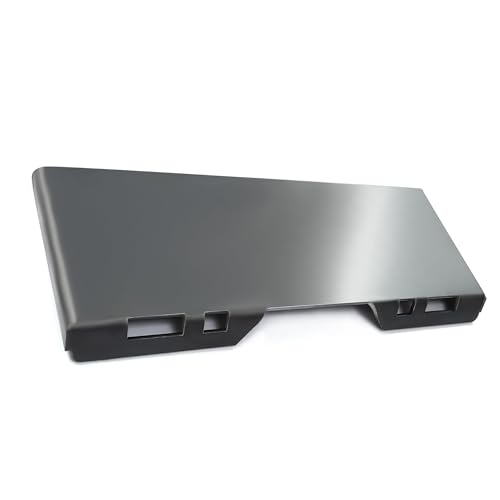
Upgraded Engine Splash Shield for 2015-2024 F150
A reliable pick for Upgraded Engine Splash Shield, selected based on this article's guidance.
Upgraded Aluminum Engine Splash Shield for 2016-2021
A reliable pick for Upgraded Aluminum Engine Splash Shield, selected based on this article's guidance.
Best Practices & Pro Tips

Maintenance and Routine Inspection
Regularly inspect your skid plate for gouges or bends after significant trail use. A plate that has been deformed may lose its structural integrity and potentially push into the components it is designed to protect.
Refining Performance
Troubleshooting & Common Pitfalls

Addressing Vibrations and Rattles
Vibration is almost always caused by a loose mounting bolt or a plate that is making contact with a rigid exhaust component. Ensure that there is a consistent clearance gap around all mechanical systems.
Preventing Corrosion and Seized Bolts
For more general mechanical advice, check 7 Common Problems with Can You Paint Rims on a Car? A 2026 DIY Guide (and Quick Fixes) for tips on handling stubborn hardware.
Frequently Asked Questions
Do all vehicles need a skid plate?
A: Not necessarily, but if you drive on dirt roads, rocky trails, or in deep snow, it provides a vital layer of insurance against costly undercarriage damage.
Will a heavy skid plate hurt my fuel economy?
A: The weight increase is usually negligible, though a poorly designed plate can disrupt aerodynamic airflow under the vehicle, potentially causing a minor decrease in MPG.
Can I install a skid plate alone?
A: While possible, it is safer to have a friend help hold the plate in place while you align the first set of bolts to prevent injury.
How often should I check the mounting bolts?
A: We recommend checking the torque on your skid plate hardware every 5,000 miles or immediately following a significant off-road excursion.
What material is best for daily driving?
A: Aluminum is often the preferred choice for daily drivers as it provides adequate protection without adding excessive weight to the vehicle's suspension.
Should I use Loctite on the bolts?
A: Yes, a medium-strength thread locker is highly recommended to prevent bolts from backing out due to engine vibrations and trail chatter.
Do I need to remove the skid plate for an oil change?
A: It depends on the design; many modern plates come with pre-cut access ports specifically to avoid the need for removal.
Is it possible to paint a skid plate?
A: Yes, powder coating or high-temp engine paint can be used to prevent rust, especially on steel plates, though the finish will likely scratch during use.
Key Takeaways
- 1 Always assess your specific terrain needs before choosing material.
- 2 Safety equipment like jack stands is non-negotiable for underbody work.
- 3 Thread-locker is essential to prevent hardware loosening.
- 4 Cross-threading bolts will lead to long-term structural failure.
- 5 Proper bolt torque must be maintained to ensure vehicle safety.
- 6 Regular cleaning prevents the accumulation of hazardous debris.
- 7 Always double-check for pinched lines after final installation.
Conclusion
Installing a skid plate is a rewarding project that transforms your vehicle's capability and peace of mind. By following the logical sequence of prep, fitment, and torque, you ensure your engine and transmission remain protected for miles to come.
Remember that the best equipment in the world only works if it is installed correctly. Take your time, prioritize safety, and enjoy the confidence that comes with a well-armored vehicle.
Take these lessons to the garage and armor up for your next adventure.