Proper Shock Absorber maintenance is the cornerstone of vehicle safety and comfort, which is why we have compiled these 10 actionable tips to help you master your suspension system.
Maintaining your suspension ensures better tire contact, shorter braking distances, and an overall safer driving experience. Following these professional guidelines will help you identify signs of wear early and improve your vehicle’s road manners.
Tip 1: Conduct a Regular Visual Shock Absorber Inspection

Identifying External Damage
You should inspect your shock absorber units for physical damage such as dents, bent rods, or severe rust during every tire rotation. Corrosion on the housing can weaken the structural integrity over time.
Monitoring Dust Covers
Ensure the protective dust boots are intact. Torn boots allow road grime and grit to enter the seal, causing premature failure of the internal components.
Tip 2: Perform the Bounce Test
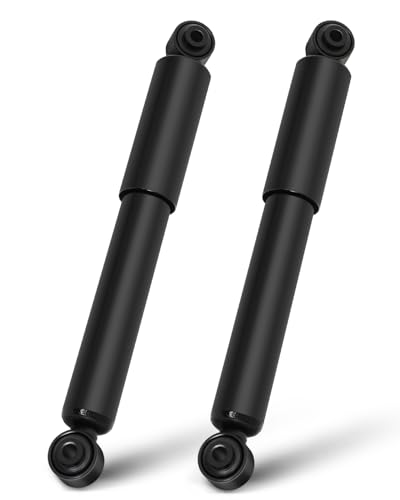
Manual Suspension Assessment
Push down firmly on each corner of your vehicle and release it quickly. The vehicle should settle back to its resting position almost immediately after one or two oscillations.
Interpreting Results
If the car continues to bounce excessively, your shock absorber is likely worn out. If you are also dealing with wheel maintenance, check Step-by-Step: How to Setup, Configure & Master How to Remove Rust from Alloy Wheels to ensure your rolling stock is in peak condition too.
Tip 3: Listen for Unusual Noises

Identifying Suspension Clunks
A knocking or clunking sound while driving over bumps is a primary indicator of a failing shock absorber mount. These noises suggest that the internal dampening components are no longer holding their position.
Mechanical Troubleshooting
Do not ignore these sounds as they often indicate metal-on-metal contact that can lead to further damage to your wheel assemblies.
Always inspect the upper mounting bolts for tightness when performing your visual checks to eliminate noise caused by loose hardware.
Tip 4: Always Replace in Pairs
Maintaining Vehicle Balance
Never replace just a single shock absorber on an axle. Installing a new unit alongside a worn one creates an imbalance in dampening rates, which can make the car unpredictable during emergency maneuvers.
Ensuring Uniformity
Matching the age and performance characteristics of your shocks on both the left and right sides is critical for consistent handling and safety.
Recommended Equipment & Solution

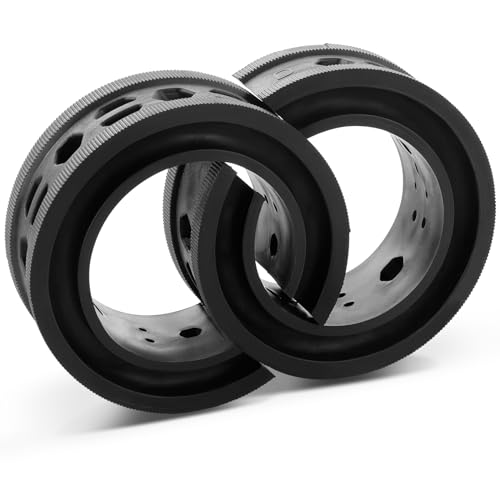
Detroit Axle - 4WD 4pc Shock Absorbers
A reliable pick for Detroit Axle - 4WD 4pc, selected based on this article's guidance.

Bilstein 24-060813 24-060820 Set of 4600 Series
A reliable pick for Bilstein 24-060813 24-060820 Set of, selected based on this article's guidance.
Tip 5: Inspect Shock Absorber Bushings

Checking Rubber Degradation
The rubber or polyurethane bushings absorb high-frequency vibrations. As they age, they crack or harden, leading to increased road noise and reduced handling precision.
Proactive Maintenance
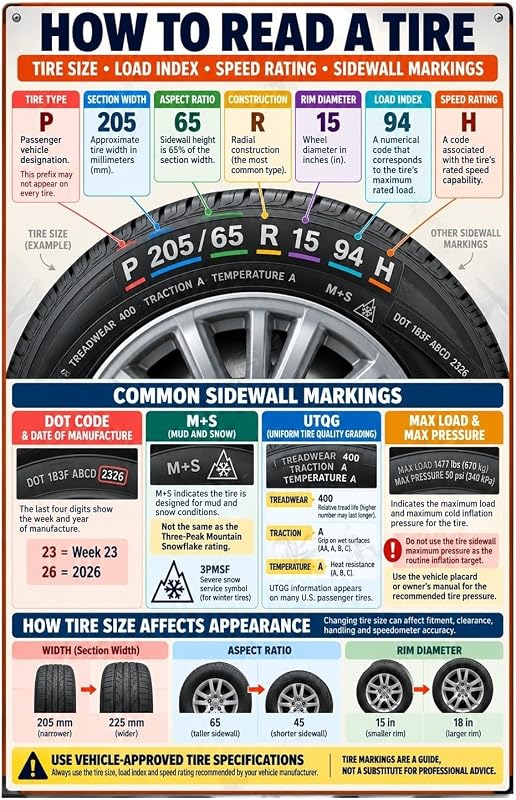
Before replacing components, it is helpful to understand your vehicle's specifications. Consult our guide on Tyre Size Explained: A Simple Guide to Reading Your Sidewall Markings to ensure your suspension setup aligns with your tire requirements.
Tip 6: Use Tire Wear to Diagnose Shocks
Reading Cupping Patterns
Uneven tire wear, specifically "cupping" or "scalloping," is a classic symptom of a faulty shock absorber. If the wheel is bouncing rapidly, it loses consistent road contact, leading to irregular tread erosion.
Corrective Actions
If you see these wear patterns, have your suspension tested immediately before replacing the tires themselves.
Ignoring cupped tires will cause your new tires to wear down prematurely, wasting money and reducing traction.
Tip 7: Watch for Fluid Leaks
Understanding Oil Seepage
A healthy shock absorber contains oil sealed within the canister. A light film of oil is sometimes normal, but a wet, dripping, or greasy canister indicates a failed seal that requires immediate replacement.
The Process of Discovery
Tip 8: Optimize for Driving Style
Selecting the Right Damper
Driving requirements vary between daily commuters and those carrying heavy loads. If you are unsure what your vehicle needs, start by learning Best Tire Size: Confident Selection for Daily Performance and Emergency Needs to see how weight impacts your overall setup.
Adjustable Shock Absorber Options
In many cases, choosing high-quality gas-charged shocks will offer better fade resistance than standard oil-filled units for long highway trips.
Tip 9: Perform Wheel Alignment
The Geometry Connection
Replacing a shock absorber changes the geometry of the suspension. Always get a professional alignment after replacing your shocks to ensure even tire wear and precise steering response.
| Component | Impact of Wear | Replacement Priority |
|---|---|---|
| Shock Absorber | Handling Instability | High |
| Bushings | Increased Vibration | Medium |
| Tires | Reduced Traction | High |
A proper four-wheel alignment maximizes the lifespan of your suspension components and improves fuel efficiency.
Tip 10: Evaluate When to Upgrade
Performance vs. Replacement
When the time comes to replace your units, consider if an upgrade aligns with your usage. Performance shock absorber models can provide better stability for drivers who frequently navigate winding roads.
Long-term Value
Investing in reputable brands often provides better long-term reliability and comfort than budget-tier replacements.
Common Mistakes to Avoid
Avoid using impact wrenches on the top nut of a shock absorber, as this can spin the inner shaft and damage the internal valve system.
Do not attempt to compress springs without the proper tool; improper handling is extremely dangerous and can lead to serious injury.
Never reuse old hardware like rusted bolts or crushed bushings when installing new shock absorber units.
Frequently Asked Questions
How can I tell if my shock absorbers need replacing?
Look for signs such as excessive vehicle bouncing, fluid leaks, uneven tire wear, or a nose-dive during hard braking.
Should shock absorbers always be replaced in pairs?
Yes, you must replace them in pairs on the same axle to ensure balanced handling, consistent braking performance, and even suspension geometry.
What is the typical service life of a standard shock absorber?
Most shock absorbers begin to lose their damping efficiency between 50,000 and 80,000 miles, depending on road conditions and driving habits.
Is there a difference between gas-charged and hydraulic shock absorbers?
Gas-charged shocks use nitrogen to prevent aeration and foaming of the oil, providing more consistent damping performance during repetitive high-speed impacts.
Can worn shock absorbers affect my vehicle's braking distance?
Yes, worn shocks allow excessive weight transfer and tire oscillation, which reduces tire-to-road contact and can increase braking distance by up to 20%.
What is the 'bounce test' and how accurate is it?
The bounce test involves pushing down on each corner of the vehicle; while it identifies completely failed units, it often misses subtle performance degradation.
Do I need a wheel alignment after installing new shock absorbers?
It is highly recommended, as installing new shocks can alter your vehicle's ride height and affect camber or toe settings.
What is the primary difference between shock absorbers and struts?
A shock absorber provides damping, whereas a strut is a structural component of the suspension that supports the vehicle's weight and maintains steering geometry.
Key Takeaways
- 1 Inspect your shock absorber during every tire rotation.
- 2 Use the bounce test as a quick diagnostic tool.
- 3 Always replace shocks in pairs to maintain handling balance.
- 4 Pay attention to tire cupping, which often indicates failed shocks.
- 5 A light film of oil on a shock is normal, but dripping is a failure.
- 6 Always perform a wheel alignment after suspension replacement.
- 7 Listen for clunks to catch mounting issues early.
Conclusion
Maintaining a high-quality shock absorber system is essential for both the safety of your passengers and the longevity of your vehicle. By paying attention to the small details—like irregular tire wear or minor clunking—you can address problems before they escalate into costly repairs.
For more expert maintenance tips, refer to our guide on How to Read Wheel Size Markings: Decode Numbers & Letters Like a Pro to keep your entire vehicle running optimally.
A well-maintained suspension turns every drive into a smoother, more confident experience.