Learning how to change a flat tire is a vital skill for every driver, and these 10 tips will ensure you handle the situation with confidence and safety. Whether you are on a busy highway or a quiet side street, being prepared prevents unnecessary stress and costly delays.
By following these expert-approved guidelines, you can streamline your roadside repair process. From safety preparation to the final tightening of lug nuts, this guide covers everything you need for a successful tire swap.
Tip 1: Find a Safe Location

Assess Your Environment
Always move your vehicle to a flat, hard, and stable surface before attempting how to change a flat tire. Avoid soft ground like grass or mud, as the jack could sink or tip over.
Prioritize Visibility
Activate your hazard lights immediately. If it is dark or visibility is low, use reflective triangles or flares to ensure other drivers can see you clearly.
Tip 2: Secure the Vehicle

Engage the Parking Brake
Once you are in a safe spot, engage your parking brake firmly to prevent the car from rolling. This is a critical step when learning how to change a flat tire safely.
Use Wheel Wedges
Place wheel chocks or heavy rocks behind the tires opposite to the flat one. This provides an extra layer of stability against gravity if your car is on a slight incline.
Tip 3: The Initial Lug Nut Loosening

Break Resistance Before Lifting
Use your lug wrench to loosen the lug nuts about one-half turn while the tire is still touching the ground. If you lift the vehicle first, the wheel will spin, making it nearly impossible to break the nuts loose.
Use Leverage
If the nuts are seized, use your body weight by stepping on the wrench handle carefully. Ensure the socket is fully seated to avoid stripping the metal.
Pro Tip: If you are struggling with stuck nuts, a breaker bar provides more leverage than a standard factory wrench.
Tip 4: Correct Jack Placement

Identify Manufacturer Jack Points
Consult your owner's manual to locate the designated jack points for your specific make and model. Placing the jack on the wrong part of the frame can damage the body or suspension components.
Slow and Steady Lifting
Recommended Equipment & Solution

How to Change a Flat Tire
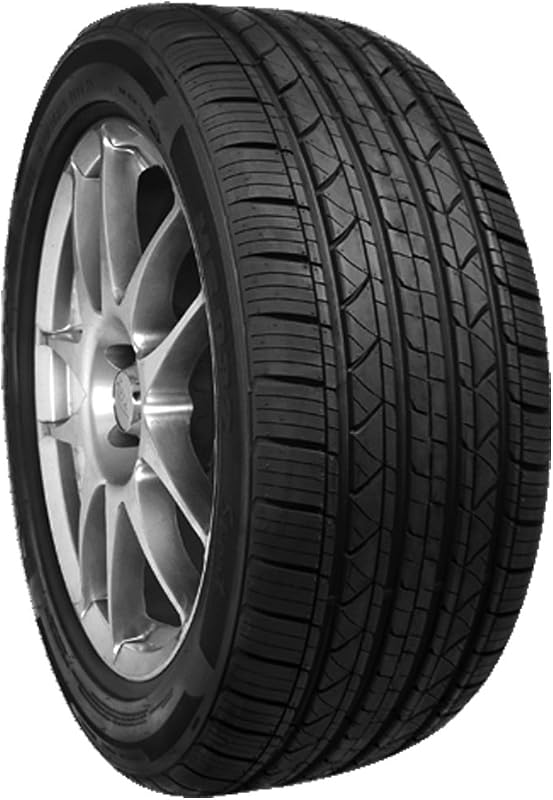
A reliable pick for How to Change a Flat, selected based on this article's guidance.

How to Change Your Car Tire on
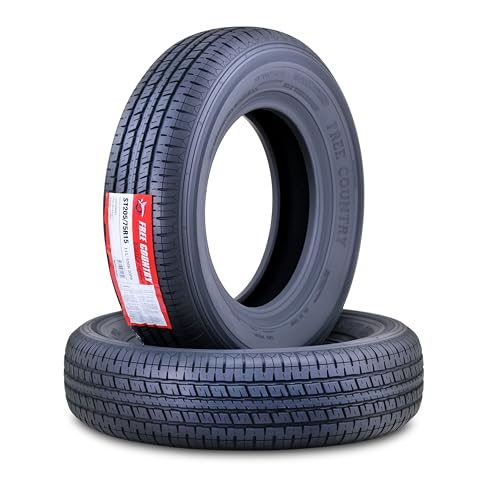
A reliable pick for How to Change Your Car, selected based on this article's guidance.
Tip 5: Removing the Flat Tire

Handle with Care
Remove the lug nuts completely and store them in a secure place, such as inside your hubcap. You can then pull the flat tire straight off the wheel studs.
Check for Rim Damage
While the wheel is off, take a moment to look at your rims. If you notice signs of degradation, you might need to research how to repair oxidized or peeling clear coat on rims to maintain the integrity of your alloy finish later.
Tip 6: Mounting the Spare
Aligning the Wheel
Lift your spare tire and align the holes with the wheel studs. Push the tire until it sits flush against the hub.
Comparing Options
| Tire Type | Durability | Usage Limit |
|---|---|---|
| Full-Size Spare | High | Indefinite |
| Donut (Compact) | Low | Max 50 miles/50 mph |
Warning: Driving on a compact spare tire above the manufacturer's recommended speed limit is highly dangerous and can damage your transmission.
Tip 7: Tightening in a Star Pattern
Maintaining Proper Balance
Hand-tighten the lug nuts until they are snug. Once the car is lowered back down, use the wrench to tighten them fully in a star-shaped pattern.
Ensuring Uniform Pressure
The star pattern ensures the wheel is pulled onto the hub evenly. This prevents wobbling and potential vibrations at higher speeds once you resume driving.
Tip 8: Final Safety Checks
Verify Torque
If you have a torque wrench, ensure the nuts are tightened to the manufacturer's specifications. If you do not have one, check them again at a nearby service station.
Sensor Awareness
Be aware that changing a tire may trigger your TPMS sensor light. Once the proper tire is installed and inflated, the system often resets after a few miles of driving.
Tip 9: Proper Tool Maintenance
Keep Your Kit Accessible
Regularly check that your jack, lug wrench, and spare tire are in working order. A rusted jack or an underinflated spare can turn a simple fix into a roadside disaster.
Readiness for 2026
Use modern tools to stay prepared. Keeping your kit clean and organized ensures that when you need to know how to change a flat tire, you aren't fighting with seized equipment.
Success: Regularly checking your spare tire pressure once a month is the best way to ensure it is ready when needed.
Tip 10: Post-Repair Professional Inspection
Don't Ignore the Long Term
A spare tire is a temporary solution. Once you have finished how to change a flat tire and reached your destination, visit a mechanic to have the damaged tire repaired or replaced immediately.
Wheel Integrity
Ask the technician to check for any hidden structural issues on your rims. This is also a great time to discuss how to maintain your wheel finish so you don't face aesthetic issues down the line.
Common Mistakes to Avoid
Frequently Asked Questions
How long does it take to change a flat tire?
A: Generally, it takes between 15 to 30 minutes if you have all your tools and know the steps.
Can I change a flat tire in the rain?
A: It is possible, but extreme caution is required as surfaces will be slippery. Try to get as far off the road as possible.
Is it safe to drive on a flat tire?
A: No, driving on a flat tire can permanently destroy your rim and cause loss of vehicle control. Pull over immediately.
What if the lug nuts are too tight?
A: Use a longer handle, such as a breaker bar or a tire iron with extra reach, to increase your leverage safely.
Do I need to check the spare tire pressure?
A: Yes, spare tires lose air over time even when not in use. Check it at least once every few months.
Can I use any jack for my car?
A: No, you should always use the specific jack supplied by the manufacturer or one rated for your vehicle's weight.
Why did my tire go flat?
A: Common reasons include road debris like nails, hitting a pothole, or an old, worn-out tire sidewall.
Should I use a professional tire shop?
A: Yes, after you have installed the spare, get the original tire inspected by a pro to ensure safety.
Key Takeaways
- 1. Safety is your absolute priority; always find a level, stable surface.
- 2. Engage the parking brake before starting any work.
- 3. Loosen lug nuts while the tire is still touching the ground.
- 4. Use the correct, manufacturer-approved jack points.
- 5. Tighten lug nuts in a star pattern to ensure even pressure.
- 6. A compact spare is for short distances and low speeds only.
- 7. Always have your flat tire professionally inspected afterward.
Conclusion
Knowing how to change a flat tire is a fundamental responsibility for every driver. By mastering these steps, you minimize your time spent on the side of the road and ensure the safety of your passengers.
Remember that your spare is a temporary fix. For more maintenance tips, such as how to keep your rims in top shape, check out Step-by-Step: How to Setup, Configure & Master How to Repair Oxidized or Peeling Clear Coat on Rims to keep your vehicle looking professional.
Stay prepared and stay safe on every journey you take in 2026.