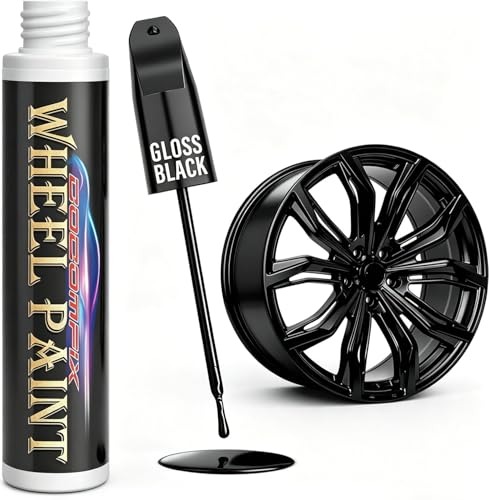
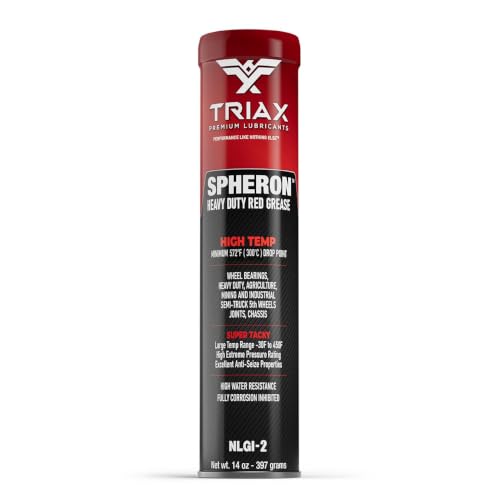
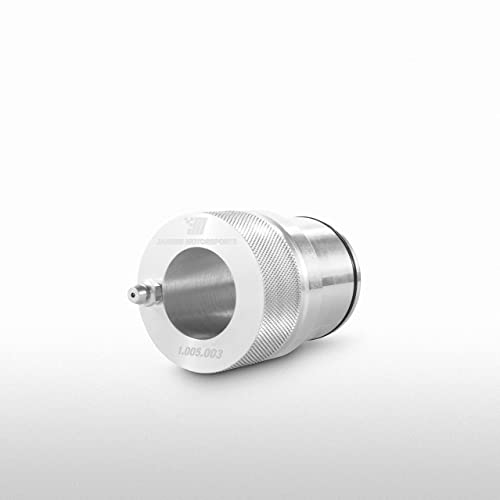
When looking at How to Paint Alloy Wheels: Step-by-Step Guide + Best Wheel Paints vs Alternatives, owners must decide between high-quality DIY spray applications and professional powder coating services.
The choice between applying specialized wheel paint yourself and opting for a professional industrial coating often leaves enthusiasts confused about long-term durability and cost-effectiveness. While DIY kits offer significant savings and creative control, they require meticulous preparation to avoid peeling or flaking under high-heat braking conditions.
This guide breaks down the technical differences, labor requirements, and aesthetic outcomes to help you decide whether a garage project or a professional shop visit aligns with your goals for your vehicle's maintenance and appearance.
- Surface Preparation: The vital difference in durability.
- DIY Spray Paints: Budget-friendly and versatile options.
- Professional Powder Coating: The industry standard for longevity.
- Environmental Factors: Why heat and brake dust affect your choice.
- Decision Framework: Balancing your time versus your budget.
Overview & Head-to-Head Summary
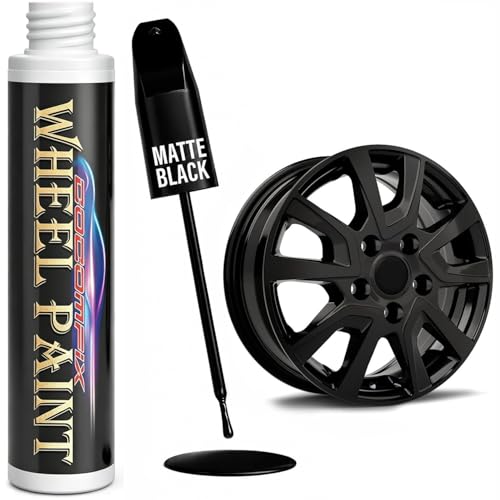
DIY Wheel Paint Solutions
DIY wheel painting involves using aerosol specialized paints designed for metal surfaces. It is a labor-intensive process that demands careful cleaning, sanding, and layering to achieve a uniform finish.
Professional Powder Coating
Powder coating is a professional-grade process where dry powder is electrostatically applied and cured in an industrial oven. It creates a thick, resilient shell that is far more resistant to chips and chemicals than standard paint.
| Feature | DIY Paint | Powder Coating |
|---|---|---|
| Cost | Low ($50-$150) | High ($500-$1000+) |
| Durability | Moderate | Very High |
| Turnaround | 1-2 Days | 3-7 Days |
| Skill Level | Moderate | Expert Only |
Before beginning any restoration, ensure your wheels are structurally sound by checking for damage, as detailed in 7 Common Problems with Alloy vs Aluminum Wheels : Choose the Right Material (2026) (and Quick Fixes).
Key Differences & Core Features

Application Methodology and Chemistry
DIY paint relies on chemical bonding through primers and clear coats, which are susceptible to solvents and road debris. Powder coating uses a thermal bond that fuses the material to the wheel, making it significantly harder to scratch.
Aesthetic and Finish Longevity
Professional finishes maintain their gloss levels for years under harsh weather, whereas DIY finishes may fade or oxidize if not topped with high-quality UV-resistant clear coats every few seasons. As discussed in Alloy vs Aluminum Wheels : Choose the Right Material (2026) Complete Specifications, Sizing & Features, the base metal composition can influence how well these coatings adhere over time.
| Criteria | DIY Paint | Powder Coating |
|---|---|---|
| Heat Resistance | Standard | Superior |
| Customization | High (Easy color change) | Low (Requires stripping) |
| Chemical Bond | Curing Air-Dry | Thermal Fusion |
Performance & Real-World Analysis

Testing Surface Adhesion
To evaluate if your current wheels are ready for paint, you must conduct a proper assessment of the substrate.
Long-Term Environmental Resistance
Wheels face extreme temperature fluctuations from braking. Understanding these stresses is key to a lasting finish.
Successful long-term performance hinges on preparation. For those managing advanced wheel setups, refer to Step-by-Step: How to Setup, Configure & Master Alloy vs Aluminum Wheels : Choose the Right Material (2026) for further maintenance insights.
Best Use Cases & Ideal Scenarios

When Option A (DIY Paint) Makes More Sense
DIY paint is ideal for enthusiasts who enjoy modifying their vehicles frequently or who have a limited budget. If you want to test out a specific color scheme before committing to a permanent professional finish, DIY is the safest route.
When Option B (Powder Coating) Makes More Sense
If you own a high-performance vehicle or live in an area with harsh winter road salts, powder coating provides the necessary protection to prevent oxidation and long-term surface degradation.
When It Genuinely Doesn't Matter
For show cars that see little road time or lease vehicles where you plan to return to stock within a year, either method can achieve a satisfactory cosmetic result for the short term.
Final Verdict & Decision Framework

Quick Decision Checklist
Before you decide, verify: Do you have a temperature-controlled environment for drying? Do you have the necessary safety equipment to deal with paint fumes? If not, the cost of professional services may be lower than the cost of failed DIY equipment.
Our Framework for Choosing
| Your Priority | Recommended Path |
|---|---|
| Lowest Cost | DIY Painting |
| Maximum Durability | Powder Coating |
| Frequent Style Changes | DIY Painting |
| Long-Term Investment | Powder Coating |
Frequently Asked Questions
Is painting alloy wheels safe?
A: Yes, provided you do not use heat-sensitive paints that could melt during heavy braking. Always choose paints explicitly labeled for automotive wheel applications.
How long does DIY wheel paint last?
A: With proper preparation, a quality DIY job can last 1 to 3 years. Exposure to harsh weather and brake dust will accelerate wear.
Can I paint wheels without removing them from the car?
A: While possible, it is highly discouraged. Removing the wheels ensures full coverage and prevents accidental overspray on brake components, suspension, or tires.
Is powder coating better than paint?
A: In terms of durability, chemical resistance, and hardness, powder coating is objectively superior. It is, however, more expensive and harder to repair if damaged.
Does painting my wheels void my warranty?
A: Applying aftermarket paint to factory wheels usually voids the finish warranty provided by the manufacturer. Always check your specific vehicle documentation.
What is the best temperature for painting wheels?
A: Aim for between 65°F and 85°F (18°C-30°C) with low humidity. Extreme temperatures can cause paint to dry too fast or fail to cure properly.
Do I need a clear coat?
A: Yes, a clear coat is essential for protecting the color layer from UV rays, road debris, and cleaning chemicals. It adds both shine and structural protection.
How do I remove old paint from wheels?
A: Chemical paint strippers or media blasting are the most effective methods. Always follow local environmental regulations when disposing of chemical waste.
Key Takeaways
- 1 DIY painting offers cost savings and creative flexibility for enthusiasts.
- 2 Powder coating remains the gold standard for long-term wheel protection.
- 3 Surface preparation, specifically cleaning and sanding, is the most important step.
- 4 Wheels must be removed from the vehicle to achieve a durable, professional finish.
- 5 Always check your local manufacturer's warranty regarding aftermarket wheel finishes.
- 6 High-quality primers are required to ensure the paint adheres to the alloy surface.
- 7 Consider the local driving environment, such as salt and road heat, before choosing a method.
Conclusion
Choosing between DIY painting and professional powder coating depends largely on your budget and your expectations for the finish's lifespan. While DIY projects provide a rewarding hands-on experience, the chemical and physical bond created by industrial powder coating is difficult to replicate in a residential garage.
Ultimately, both methods are viable if executed with the right preparation and materials. For more guidance on specialized wheel care, you may want to review Alloy vs Aluminum Wheels : Choose the Right Material (2026) vs Top Competitors: Which is Best? to ensure you have the best base for your project.
Take your time with the prep work; your wheels are the first part of your car to meet the road, and they deserve the extra attention.
📌 Pillar Resource: Read our complete complete How to Paint Alloy Wheels: Step-by-Step Guide + Best Wheel Paints review for in-depth insights.