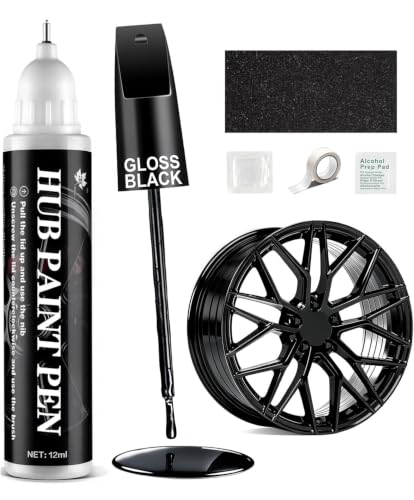
When you notice damage to your rims, deciding between How to Fix Alloy Wheel Curb Rash: A Step-by-Step DIY Guide vs Alternatives like professional restoration services becomes the primary challenge. For many vehicle owners, the decision rests on balancing the desire for cost-effective maintenance with the need for high-end aesthetic results.
The confusion often arises because "curb rash" can range from superficial surface scratches to deep structural gouges. While some enthusiasts enjoy the hands-on process, others find that the time investment and risk of aesthetic error outweigh the potential savings compared to a professional shop.
This guide breaks down the technical requirements, time commitments, and expected outcomes for both approaches. By the end, you will be able to determine which method aligns with your skill level, your budget, and the specific condition of your alloy wheels.
- Total project cost: DIY kits vs. professional labor fees.
- Skill requirements: Determining if the damage is "fixable" at home.
- Time efficiency: Instant gratification vs. the drying and curing process.
- Durability outcomes: Long-term resistance to elements and brake dust.
- Equipment needs: Specialized tools versus standard automotive supplies.
Overview & Head-to-Head Summary
The DIY Restoration Approach
The DIY approach involves using specialized abrasive pads, alloy putty, and color-matched paint to manually sand and fill damaged areas. It is an accessible method for minor cosmetic touch-ups, often requiring little more than patience and a stable hand.
The Professional Refinishing Alternative
Professional alternatives involve CNC machining, powder coating, or expert paint matching in a controlled environment. These services are designed for severe damage or for car owners who demand a factory-grade finish without the labor-intensive trial and error of home repair.
| Feature | DIY Repair | Professional Service |
|---|---|---|
| Cost | Low ($30–$80) | High ($150–$300+ per wheel) |
| Time Required | 3–6 Hours | 24–48 Hours |
| Skill Level | Moderate | Expert |
| Finish Quality | Good (Cosmetic) | Excellent (OEM standard) |
If you are unsure about the severity of your damage, first learn to evaluate your silver rim condition to decide if a DIY kit is even viable.
Key Differences & Core Features
Methodology and Precision
The primary difference lies in the removal and finishing process. DIY kits rely on manual sanding, which can lead to uneven surfaces if not performed carefully. Professionals use precise machinery to ensure the wheel profile remains perfectly balanced and consistent with the factory design.
Material Durability and Curing
Professional services often use industrial-grade primers and heat-cured coatings that are significantly more durable than the air-dried paints typically included in consumer repair kits. For removing oxidation and haze from specialty finishes, professional equipment is generally required to maintain the original clear coat integrity.
| Dimension | DIY Kit | Professional Shop |
|---|---|---|
| Surface Prep | Hand Sanding | Media Blasting/CNC |
| Coating Type | Touch-up Paint | Powder Coat/Clear Coat |
| Equipment | Basic Abrasives | CNC Lathe & Oven |
| Repair Scope | Light Scratches | Structural Gouges & Bends |
Performance & Real-World Analysis
Evaluating Repair Sustainability
To determine if DIY is appropriate, you must look at the specific nature of your wheel finish. Performance-grade wheels often have complex factory finishes that are difficult to replicate at home, potentially leaving the area prone to white powdery oxidation if the sealant is not applied correctly.
Step-by-Step Evaluation Process
Successful repairs, whether DIY or pro, depend on meticulous surface prep. Always ensure all brake dust and residues are removed before attempting any restoration.
Best Use Cases & Ideal Scenarios
When Option A (DIY) Makes More Sense
The DIY approach is ideal for daily drivers with minor curb rash on single-color painted wheels. If you have the patience to follow instructions and only need to hide cosmetic blemishes, it is the most efficient use of resources.
When Option B (Professional) Makes More Sense
Professional services are essential for luxury vehicles, diamond-cut faces, or wheels that have sustained impact damage beyond just surface rash. If your wheels are expensive or rare, the risk of a botched DIY attempt can be much costlier than paying a professional.
When It Genuinely Doesn't Matter
If you are planning to sell the vehicle soon and simply want the wheels to appear presentable from three feet away, a budget-friendly DIY touch-up is usually sufficient, as most buyers will not inspect the finish with professional scrutiny.
Recommended Equipment & Solution

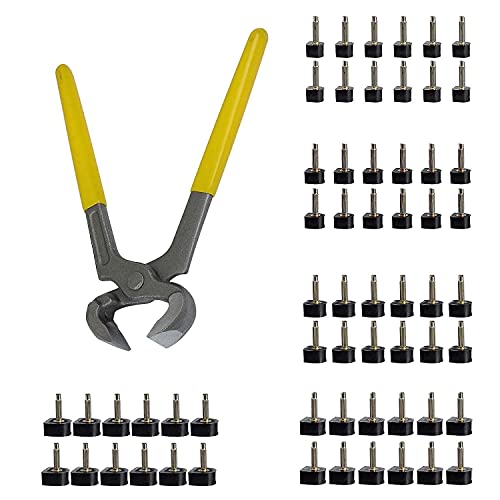
ATG Alloy Wheel Repair Kit – Rim
A reliable pick for ATG Alloy Wheel Repair Kit, selected based on this article's guidance.

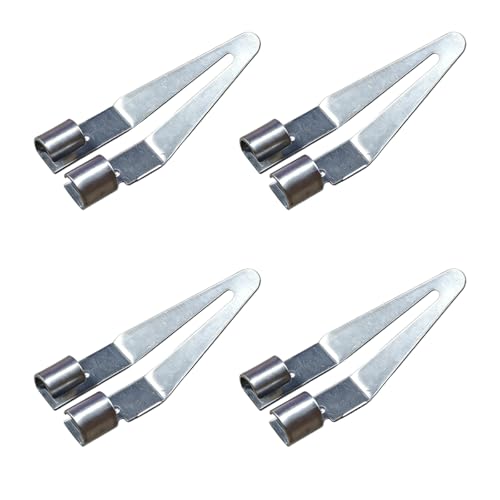
Silver Rim Touch Up Paint - Wheel
A reliable pick for Silver Rim Touch Up Paint, selected based on this article's guidance.
Final Verdict & Decision Framework
Quick Decision Checklist
Use this framework to decide: If the damage is purely aesthetic and on a standard painted wheel, choose DIY. If the damage is deep, on a complex finish (like machined or chrome), or involves wheel balance concerns, choose a professional.
Our Framework for Choosing
| Your Goal | Recommended Path |
|---|---|
| Minimal Cost | DIY |
| Showroom Quality | Professional |
| Speed of Repair | Professional |
| DIY Satisfaction | DIY |
Frequently Asked Questions
Can I fix curb rash on diamond-cut wheels myself?
A: It is generally not recommended for DIYers as it requires specialized CNC machining to maintain the correct luster and finish profile.
How long does a DIY repair last?
A: With proper cleaning and application of high-quality clear coat, a DIY repair can last several years, though it may not be as chip-resistant as factory paint.
Does curb rash affect wheel safety?
A: Shallow scratches are purely cosmetic, but deep gouges can cause structural stress. If you suspect a crack or bend, consult a professional immediately.
What is the biggest mistake in DIY wheel repair?
A: Skipping the cleaning and sanding phase is the most common error, leading to poor adhesion and paint that flakes off shortly after application.
Can professionals fix any type of rash?
A: Most professionals can fix almost anything unless the wheel has structural fractures or significant material loss that would compromise safety.
Are there mobile repair services?
A: Yes, many cities have mobile wheel repair units that offer professional results at your home or office, providing a convenient middle ground.
Should I sand my wheels wet or dry?
A: Most professional guides suggest wet sanding for a smoother finish, as it keeps the paper clean and prevents deep gouges in the metal.
What is the best way to clean wheels before repair?
A: Use a dedicated wheel cleaner to remove all grease and asphalt, ensuring the surface is entirely prepped for the primer application.
Key Takeaways
- 1 DIY is best for minor cosmetic surface scratches.
- 2 Professional services are required for deep structural damage or complex finishes.
- 3 Always prioritize cleaning the surface before starting any repair work.
- 4 Time commitment for DIY is significant due to drying and curing.
- 5 Match the repair method to the value and type of your wheel.
- 6 Avoid using home remedies if you have a diamond-cut or polished rim.
- 7 Professional repair offers more durability and long-term peace of mind.
Conclusion
Choosing between a DIY restoration and professional service ultimately comes down to the depth of the damage and your own technical comfort. While the allure of saving money with a DIY kit is strong, the results depend entirely on the effort you put into preparation and finishing.
For most vehicle owners, addressing minor scratches at home is a rewarding way to maintain your car's appearance. However, when the integrity of your rims is in question, professional restoration provides a level of quality and safety assurance that is difficult to match in a home garage. To learn more about maintaining your wheels, check our 2026 guide to the best alloy wheel repair kits.
Take your time to evaluate the extent of the damage before committing to either path; a careful assessment today ensures a better-looking car tomorrow.
📌 Pillar Resource: Read our complete complete How to Fix Alloy Wheel Curb Rash: A Step-by-Step DIY Guide review for in-depth insights.