Navigating the nuances of the best accessories for alloy wheels vs. premium wheels: understanding the difference is essential for any car enthusiast, and these 10 tips will guide you toward making the right choices for your vehicle.
Selecting the right protective gear and maintenance tools depends largely on the material composition and finish of your rims. Whether you are dealing with standard alloy or high-end forged premium wheels, using the correct accessories ensures longevity and protects your investment from environmental damage.
Tip 1: Matching Cleaners to Wheel Material
Identifying Your Wheel Type
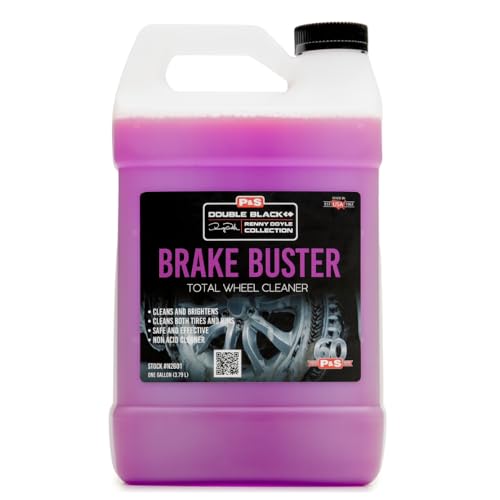
Standard alloys and premium wheels require different pH-balanced formulas to avoid etching. Always check if your cleaner is acid-free before application.
The Importance of Chemical Compatibility
Using the wrong chemical on a high-gloss premium finish can cause irreversible haze. Learn more about Wheel cleaner chemical composition comparison: Which formula is safest for your rims? to avoid damage.
Tip 2: Protective Coatings for Premium Finishes
Applying Ceramic Sealants
Premium wheels often feature delicate clear coats that benefit from specialized ceramic sealants. These create a hydrophobic barrier against brake dust.
Maintaining Silver and Black Alloys
For standard alloys, regular waxing is often sufficient, but deeper restoration guides may be needed if oxidation has already occurred.
Tip 3: Specialized Brush Selection
Soft Bristle vs. Hard Bristle Tools
Always use soft, non-scratch microfiber brushes on premium wheels. Harsh brushes can create micro-swirls that ruin a mirror-like finish.
Reaching Tight Spokes
When selecting accessories for alloy wheels vs. premium wheels: understanding the difference in spoke geometry is vital. Choose tapered brushes to prevent scraping.
Tip: Always rinse your brushes thoroughly after each use to prevent grit from the previous cleaning session from scratching your wheels.
Tip 4: Valve Stem Caps and Corrosion Control
Preventing Galvanic Corrosion
Avoid using cheap metal caps on alloy stems, as they can seize due to corrosion. Use plastic or high-quality anodized aluminum with internal rubber seals.
Importance of Sealing
A good valve cap keeps debris out of the valve mechanism, ensuring your tire pressure stays consistent regardless of the wheel grade.
Tip 5: Lug Nut Protection for Alloy Rims
Using Nylon-Sleeved Sockets
Protect the lug holes of your expensive premium rims by using nylon-sleeved impact sockets. These prevent metal-on-metal contact during wheel changes.
Addressing Surface Build-up
If you notice a white residue, consult White powdery layer on alloy wheels, what is it and how to fix it fast for proper cleaning steps.
Tip 6: Curb Rash Prevention Accessories
Rim Protectors and Guards
Adhesive wheel bands provide a sacrificial layer against curb damage. When comparing accessories for alloy wheels vs. premium wheels: understanding the difference in rim profile is key for a flush fit.
When to Repair Instead
| Accessory | Alloy Use | Premium Use |
|---|---|---|
| Rim Guards | Recommended | Highly Recommended |
| Ceramic Coat | Optional | Essential |
| Plastic Caps | Standard | High-Quality Only |
Warning: Avoid generic "one-size-fits-all" rim guards that do not account for the specific width and curve of high-performance wheels.
Tip 7: Microfiber Towels and Drying Tools
Choosing GSM Weights
Use high-GSM microfiber towels for drying to avoid surface marring. Premium wheels require the softest touch to maintain their high-gloss luster.
The Process of Proper Drying
Tip 8: Storage Bags for Seasonal Wheels
Preventing Humidity Damage
Use breathable wheel bags during storage to prevent moisture trapping. Moisture is the primary cause of oxidation on aluminum surfaces, as detailed in our guide on how to Remove grease and asphalt from aluminum wheels: The Ultimate Pro Guide.
Padding for Transport
If you store wheels stacked, use soft foam inserts between them to prevent the face of one wheel from scratching the back of another.
Tip 9: Torque Wrenches for Proper Installation
Avoiding Over-Tightening
Always use a torque wrench to meet manufacturer specifications. Overtightening can cause stress fractures in alloy wheels over time.
Consistency is Key
When selecting accessories for alloy wheels vs. premium wheels: understanding the difference in bolt hole reinforcement is vital for long-term structural integrity.
Success: Using a calibrated torque wrench every single time ensures the wheel remains centered and secure without damaging the lug seating area.
Tip 10: Center Cap Maintenance
Securing Center Caps
Center caps are prone to fading or getting lost. Use a dab of silicone sealant if you find they are loose, or replace them with OEM-spec parts to maintain the wheel's appearance.
Cleaning Around Emblems
Use small detail brushes to clean the area around the center cap to prevent grime buildup from eating into the finish of the alloy.
Common Mistakes to Avoid
Mistake 1: Using automated car wash brushes that trap abrasive dirt from previous cars, leading to deep scratches on premium finishes.
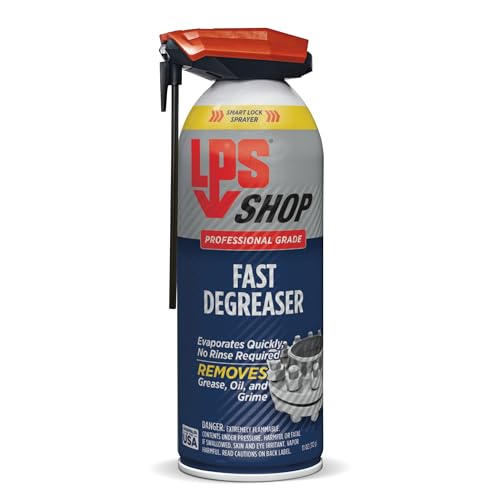
Mistake 2: Applying harsh degreasers to hot wheels, which can cause the chemical to flash-dry and leave permanent spotting.
Mistake 3: Skipping the regular cleaning cycle, allowing brake dust to bond with the metal and create a hardened, caustic layer.
Frequently Asked Questions
Are premium wheels more difficult to maintain?
A: Generally, premium wheels feature more intricate designs and delicate finishes, which require more frequent cleaning with specific non-abrasive tools and pH-neutral cleaners.
Can I use standard alloy cleaners on forged wheels?
A: In many cases, it is safer to use premium-specific cleaners. Some standard cleaners contain acidic compounds that can discolor the specialized coatings found on forged wheels.
How often should I apply a protective coating?
A: For most vehicles, applying a high-quality sealant or ceramic spray every three to six months is sufficient to keep your wheels protected against environmental contaminants.
What causes my wheels to lose their shine?
A: Brake dust accumulation and exposure to harsh weather are the primary culprits. Regular washing and the use of hydrophobic protective accessories can significantly mitigate this dulling process.
Is there a difference in lug nut torque requirements?
A: Yes, you should always follow the vehicle manufacturer's torque specifications regardless of the wheel type to ensure the rim is mounted safely and evenly.
Are rim guards effective for long-term use?
A: Rim guards can be effective at preventing minor curb rash, but they should be inspected periodically for debris trapped underneath them, which could lead to surface scratching.
How do I fix minor curb rash on my alloys?
A: For minor scuffs, many owners choose a professional-grade repair kit. You can find detailed instructions in our post on the Best Alloy Wheel Repair Kit: Fix Curb Rash at Home (2026) vs Alternatives .
Why is my wheel center cap loose?
A: Loose center caps are often caused by the degradation of the plastic tension clips or the buildup of dirt behind the cap. Cleaning the area thoroughly can often resolve the issue.
Key Takeaways
- 1 Always verify the chemical compatibility of your cleaning agents with your specific wheel finish.
- 2 Utilize specialized microfiber brushes to prevent micro-scratches on premium surfaces.
- 3 Use nylon-sleeved sockets to avoid damaging the lug bolt holes during tire changes.
- 4 Apply ceramic sealants to create a protective barrier against brake dust and road grime.
- 5 Store wheels in breathable bags to prevent moisture-induced oxidation during the off-season.
- 6 Use a torque wrench consistently to ensure proper wheel mounting and structural longevity.
- 7 Proactive maintenance, including routine washing, prevents the need for invasive restoration.
Conclusion
Understanding the difference between the best accessories for alloy wheels vs. premium wheels is the first step toward maintaining your vehicle’s aesthetic and structural integrity in 2026. By selecting the right tools and cleaning protocols, you ensure that your investment lasts for years to come.
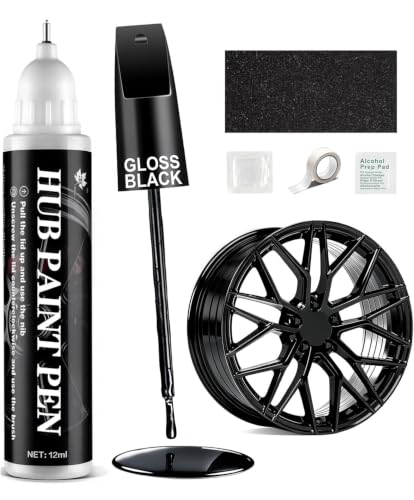
Remember that consistent, gentle maintenance is always superior to aggressive, infrequent cleaning. For those looking to fix existing issues before applying new protective accessories, be sure to check our resource on Best Alloy Wheel Repair Kit: Fix Curb Rash at Home (2026) vs Alternatives.
With the right care and the proper accessories, your wheels will maintain their showroom appeal for the life of your vehicle.
📌 Pillar Resource: Read our complete full Alloy Wheels vs. Premium Wheels: Understanding the Difference pillar for in-depth insights.