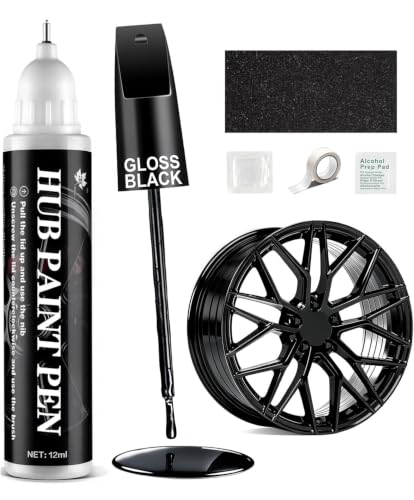
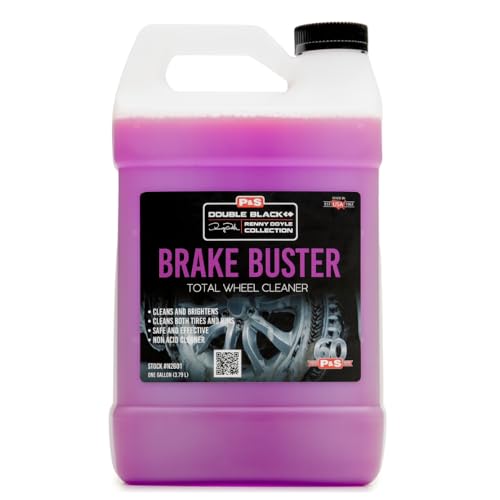
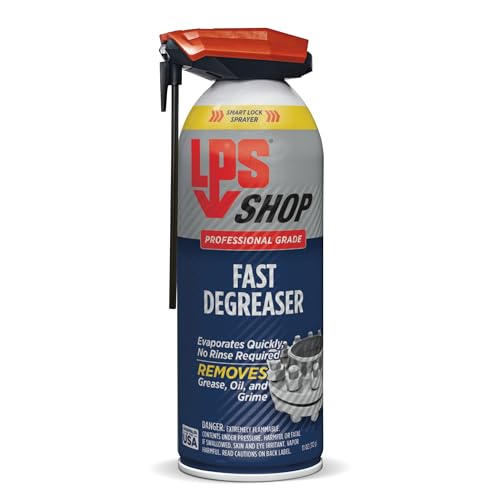
When evaluating vehicle upgrades, the debate between Alloy Wheels vs. Premium Wheels: Understanding the Difference vs Alternatives often leaves drivers questioning whether the investment in higher-tier options provides tangible real-world benefits. Both categories fulfill the essential role of supporting your vehicle, but their construction, aesthetic finish, and long-term durability diverge significantly.
Many vehicle owners struggle to define what truly separates a standard alloy wheel from a "premium" or forged performance rim. The confusion stems from marketing terminology that often obscures the underlying metallurgy and manufacturing processes. Distinguishing between these allows you to prioritize your budget based on your driving habits, rather than brand prestige alone.
This guide breaks down the technical and practical aspects of wheel selection. By the end of this analysis, you will be able to decide if your driving style necessitates a premium upgrade or if a high-quality alloy set provides the balance you need.
- Construction methods: Casting vs. Forging.
- Weight-to-strength ratios and unsprung mass.
- Maintenance requirements and common wear patterns.
- Cost-benefit analysis of daily driving vs. track performance.
- Aesthetic longevity and surface finishing.
Overview & Head-to-Head Summary
Standard Alloy Wheels: The Reliable Daily Standard
Standard alloy wheels are typically produced via low-pressure casting, utilizing aluminum alloys to balance weight and cost. They are the industry standard for most modern vehicles, offering a respectable blend of structural integrity and design flexibility. For most commuters, these wheels represent the baseline for reliable daily transportation.
Premium Wheels: The Forged Performance Edge
Premium wheels, often referred to as forged or flow-formed wheels, undergo more intensive manufacturing processes. This results in a denser grain structure in the metal, allowing for thinner, stronger wheel designs. They are favored by enthusiasts for their reduced weight and superior resistance to high-impact stress.
| Feature | Alloy (Cast) | Premium (Forged) |
|---|---|---|
| Manufacturing | Casting | Forging |
| Weight | Moderate | Low |
| Durability | High (Daily) | Very High (Stress) |
| Cost | Affordable | Premium |
Regardless of your choice, maintaining your rims is essential. If you notice signs of damage, learn more about how to manage them in our guide on restoring silver rims.
Key Differences & Core Features
Metallurgy and Structural Integrity
The primary difference lies in the molecular density of the aluminum. Cast alloy wheels contain more material to ensure safety standards are met, whereas forged premium wheels can achieve the same strength with significantly less mass. This reduction in unsprung mass is a major factor for performance-oriented drivers.
Surface Finishing and Maintenance
Premium wheels often feature specialized coatings that resist oxidation and brake dust accumulation more effectively than standard alloys. However, standard alloys can often be restored easily if you encounter issues like a white powdery layer, which is a common sign of aluminum oxidation.
| Category | Standard Alloy | Premium Wheel |
|---|---|---|
| Grain Structure | Random/Casting | Aligned/Forged |
| Repairability | High | Low/Specialized |
| Impact Resistance | Good | Excellent |
Performance & Real-World Analysis
Impact of Unsprung Mass on Handling
Reducing weight at the wheel level allows your suspension to react more quickly to road imperfections. Premium wheels offer a measurable advantage in handling, whereas standard alloys are optimized for cost-effective safety and load-bearing capacity during routine driving.
Durability under Stress
Standard alloys handle typical road debris well, but they may bend under extreme, localized impacts. Forged wheels are more likely to deform slightly or resist bending entirely, though they are often more expensive to replace if a severe failure occurs.
Performance optimization is cumulative; lightweight wheels perform best when paired with high-performance tires and tuned suspension components.
Best Use Cases & Ideal Scenarios
When Option A (Alloy Wheels) Makes More Sense
Standard alloy wheels are the ideal choice for 95% of daily drivers. They offer the best value, are inexpensive to replace if damaged by curbs, and provide more than enough structural reliability for highway and city driving.
When Option B (Premium Wheels) Makes More Sense
Premium wheels are for enthusiasts who track their vehicles or demand the absolute highest level of steering feedback. The investment is justified by the reduction in rotational inertia and the ability to withstand higher forces in aggressive driving scenarios.
When It Genuinely Doesn't Matter
For vehicles used primarily as aesthetic show cars or for very low-mileage city driving, the metallurgical difference is negligible. In these cases, the choice should be driven by the design style that best complements the vehicle's appearance.
Final Verdict & Decision Framework
Quick Decision Checklist
Ask yourself: Is this car for track performance? If yes, invest in premium/forged. Is this car a daily driver that hits potholes? Stick with quality cast alloy. Do you hate cleaning wheels? Choose a finish that hides brake dust effectively.
Our Framework for Choosing
| Your Priority | Recommendation |
|---|---|
| Budget & Value | Standard Alloy |
| Track Performance | Premium Forged |
| Daily Reliability | Standard Alloy |
| Aesthetic Customization | Depends on Budget |
Frequently Asked Questions
Are premium wheels worth the extra money?
A: If you track your car, the handling benefits are tangible. For daily commuting, the benefits are mostly aesthetic rather than performance-based.
Do forged wheels crack?
A: While forged wheels are stronger, they can still crack under massive, localized impact. They are generally more resistant to bending than cast wheels.
Can I repair both types?
A: Standard alloys are very easy to repair using standard shop techniques. Forged wheels are harder to repair and often require specialized equipment to maintain their structural integrity.
Does weight really affect fuel economy?
A: Yes, reducing unsprung mass at the wheel level can slightly improve both acceleration and fuel efficiency, though the difference is often modest for daily drivers.
Why do my alloy wheels turn white?
A: This is oxidation. It usually occurs when the clear coat is compromised. You can manage this with professional cleaning or by checking our tips on white powdery layer issues .
Do premium wheels require special cleaners?
A: Not necessarily, but they are often finished with more delicate clears. Always use a pH-balanced cleaner to preserve the finish.
Are cast wheels "cheap"?
A: No. Modern low-pressure casting produces extremely safe and durable wheels. The term "cheap" is misleading; they are simply more cost-effective to produce.
Can I mix alloy and forged wheels?
A: It is not recommended. Different weights and structural flexibilities can negatively impact vehicle handling and suspension balance.
Key Takeaways
- 1 Standard alloys are the best value for 95% of road-going vehicles.
- 2 Forged "premium" wheels excel in high-stress, performance-heavy environments.
- 3 Unsprung mass reduction is the key technical advantage of premium wheels.
- 4 Cast alloys provide more "give," which can be safer on poor-quality roads.
- 5 Regular cleaning is the best way to prevent oxidation regardless of wheel type.
- 6 Always match the load rating to your specific vehicle specs.
- 7 Professional repair is usually more feasible for standard alloy wheels.
Conclusion
Choosing between alloy and premium wheels depends entirely on your vehicle's purpose and your specific performance goals. If you prioritize reliability, value, and ease of maintenance, standard alloy wheels remain the superior choice. If your goal is to shave seconds off a track time or achieve a specific lightweight setup, the premium category is worth the investment.
Regardless of your choice, the key is consistency in maintenance. Using the right products and keeping your wheels free of grime will ensure your investment lasts for years to come.
Ultimately, the best wheel is the one that gives you confidence on the road while meeting your vehicle's specific safety and performance requirements.
📌 Pillar Resource: Read our complete complete Alloy Wheels vs. Premium Wheels: Understanding the Difference review for in-depth insights.