Understanding how to setup & use alloy wheels vs. premium wheels is a fundamental skill for vehicle owners looking to balance aesthetics, weight, and long-term performance.
This guide is designed for automotive enthusiasts and DIY mechanics who want to move beyond factory-standard assumptions. It assumes a basic familiarity with vehicle maintenance but focuses on the technical nuances that distinguish alloy construction from high-end premium alternatives.
By the end of this guide, you will be able to categorize your specific wheel needs, identify the metallurgical differences that impact handling, and implement a maintenance routine that extends the lifespan of your chosen wheel set.
- Distinguishing casting methods: Alloy vs. Flow-formed vs. Forged.
- Matching wheel weight to unsprung mass requirements.
- Standard maintenance schedules for different surface finishes.
- Safety protocols for torque specifications and installation.
- Strategic decision-making for track vs. daily driving environments.
Overview & Prerequisites
Defining Your Wheel Strategy
Before purchasing or mounting any wheel set, you must define the operational requirement. Standard alloy wheels are often cast aluminum, offering a balance of cost and utility. Premium wheels frequently employ advanced manufacturing processes like rotary forging, which improves structural integrity while reducing weight.
Tools and Technical Requirements
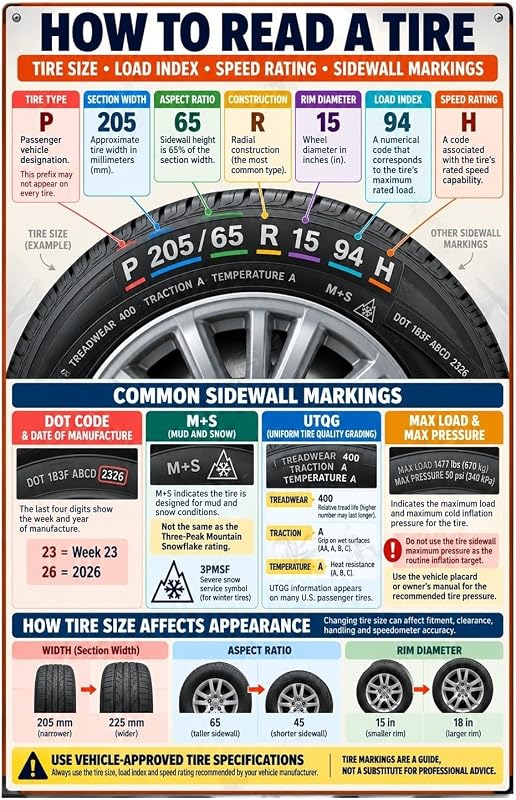
To begin, ensure you have a calibrated torque wrench, a low-profile jack, and a set of nylon-coated lug sockets to prevent marring the wheel finish. Always refer to your vehicle manufacturer's service manual for specific bolt patterns and offset requirements.
Always verify the load rating of your new wheels. If you are uncertain about compatibility, review wheel cleaner chemical composition comparisons to ensure your chosen cleaning agents are compatible with the specific alloy finish.
Core Concepts & Fundamentals
Metallurgy and Manufacturing Impact
The primary difference lies in the grain structure of the metal. Standard alloys are cast into a mold, which can sometimes result in microscopic porosity. Premium wheels often utilize pressure-casting or forging to force the metal into a tighter, more uniform structure, leading to higher impact resistance.
Unsprung Mass and Vehicle Dynamics
Reducing weight in the wheel assembly decreases "unsprung mass," allowing your suspension to react faster to road imperfections. If you are interested in restoration before upgrading, consult our guide on restoring silver rims to see if your current setup can be salvaged first.
| Feature | Standard Alloy | Premium Forged |
|---|---|---|
| Weight | Moderate | Low/Optimized |
| Durability | High for street | Extreme/Track-ready |
| Cost | Accessible | Premium Investment |
Step-by-Step Execution Guide
Phase 1: Inspection and Surface Preparation
Before installation, clear away any debris. For those dealing with heavy grime, use professional techniques found in our guide on how to remove grease and asphalt from aluminum wheels to ensure a clean mounting surface.
Phase 2: Mounting and Torque Precision
Best Practices & Pro Tips
Maintaining Your Investment
Regardless of whether you choose standard or premium wheels, consistent cleaning prevents long-term oxidation. Avoid harsh acidic cleaners that strip factory clear coats.
Refinement Techniques
Troubleshooting & Common Pitfalls
Identifying Surface Degradation
If you notice a haze or discoloration, it may be oxidation. Learn how to address these specific issues in our article on removing oxidation from gloss black alloy wheels.
Mechanical Failures
Frequently Asked Questions
What is the difference in weight between alloy and premium forged wheels?
A: Generally, forged wheels are 15-25% lighter than standard cast alloys, providing significant benefits in handling.
Can I use standard lug nuts on premium aftermarket wheels?
A: Often no; premium wheels may require conical or tuner-style lug nuts to seat properly in the lug seat.
Does the wheel finish affect the cleaning method?
A: Yes, polished or chrome finishes require non-abrasive cleaners to prevent scratching, while painted alloys are more resilient.
Are alloy wheels more prone to bending than steel wheels?
A: Alloys are generally more rigid, but they tend to crack under extreme impact, whereas steel may bend and absorb the energy.
What is the purpose of hub-centric rings?
A: They center the wheel perfectly on the hub, eliminating the vibration caused by a loose fit between the wheel bore and the vehicle hub.
How often should I clean my wheels?
A: A weekly cleaning is ideal to prevent the buildup of iron particles and brake dust, which can become corrosive over time.
Is it worth repairing a bent alloy wheel?
A: It depends on the severity; minor truing is possible, but cracks in the barrel or spokes should never be repaired for safety reasons.
Do premium wheels improve gas mileage?
A: Reducing unsprung weight can lead to minor efficiency improvements, though these are typically negligible in daily driving conditions.
Key Takeaways
- 1 Always verify vehicle-specific bolt patterns and offsets before purchasing.
- 2 Premium wheels offer weight advantages, but require precise installation to protect their finish.
- 3 Use a torque wrench for every installation to prevent stud fatigue.
- 4 Regular cleaning prevents permanent surface oxidation and brake dust pitting.
- 5 Always use hub-centric rings to ensure a vibration-free ride.
- 6 Inspect for cracks or structural damage after any significant impact.
- 7 Prioritize safety over aesthetics when evaluating damaged wheel components.
Conclusion
Mastering the setup and use of alloy versus premium wheels requires a blend of mechanical attention and preventative care. Whether you are upgrading for performance or maintaining your current set, the principles of cleanliness, proper torque, and correct fitment remain the pillars of automotive safety.
By applying these techniques, you ensure that your investment performs reliably throughout its service life.
Proper wheel care is the mark of a skilled owner; keep your wheels maintained, and they will keep your vehicle performing at its peak.
📌 Pillar Resource: Read our complete main Alloy Wheels vs. Premium Wheels: Understanding the Difference guide for in-depth insights.