Choosing between Alloy Wheels vs. Premium Wheels: Understanding the Difference vs Alternatives is a critical decision for vehicle owners looking to balance aesthetics, performance, and budget. While the term "alloy" describes the material composition, "premium" often refers to aftermarket, forged, or high-performance engineered wheels that distinguish themselves through manufacturing complexity and material refinement.
The confusion often arises because all premium wheels are technically alloys, yet not all alloy wheels offer the performance benefits associated with premium branding. This comparison aims to clarify these distinctions, ensuring you don't overspend on features you don't need or compromise on quality where it counts.
This guide breaks down the technical, financial, and functional aspects of these wheel categories. By the end, you will be able to weigh the trade-offs of weight reduction, durability, and cost to make an informed upgrade decision for your specific driving environment.
- Material composition and metallurgical differences
- Manufacturing processes: Casting vs. Forging
- Weight-to-strength ratios and unsprung mass
- Long-term durability and maintenance requirements
- Cost-benefit analysis of premium vs. standard options
Overview & Head-to-Head Summary
Standard Alloy Wheels: The Reliable Daily Driver
Standard alloy wheels are typically cast aluminum. They are mass-produced, cost-effective, and provide a perfect balance for the average commuter. They offer sufficient structural integrity for daily road hazards but carry more weight compared to premium alternatives.
Premium Wheels: The Engineered Advantage
Premium wheels—often flow-formed or forged—are designed for specific performance metrics. They utilize tighter grain structures in the metal to reduce weight while increasing impact resistance, serving enthusiasts who prioritize handling and aesthetics. If you are struggling with surface wear, check Is it possible to restore silver rims? A DIY Guide to Bringing Back the Shine for maintenance advice.
| Feature | Standard Alloy | Premium Wheels |
|---|---|---|
| Manufacturing | Gravity Casting | Forging/Flow-Forming |
| Weight | Moderate | Low |
| Cost | Affordable | High |
| Durability | Good | High |
Key Differences & Core Features
Manufacturing and Structural Integrity
The core difference lies in the production method. Casting molten metal into a mold is fast but can introduce micro-porosity. Forged wheels, conversely, use immense pressure to shape the metal, resulting in a denser, stronger, and lighter architecture. If you notice signs of surface decay on your current set, review White powdery layer on alloy wheels, what is it and how to fix it fast.
Finish and Aesthetic Longevity
Premium wheels often feature specialized powder coatings or multi-stage painting processes that resist environmental degradation better than standard finishes. However, standard alloys can often be restored effectively if minor curb rash or oxidation occurs.
| Category | Standard Alloys | Premium Wheels |
|---|---|---|
| Metal Density | Medium | High |
| Impact Tolerance | Standard | High/Performance |
| Finish Options | Limited | Extensive/Custom |
| Service Life | Standard | Extended |
Performance & Real-World Analysis
Understanding Unsprung Mass
Every kilogram saved in your wheels reduces "unsprung mass," which allows your suspension to react faster to road imperfections. Premium wheels offer a distinct advantage here, often improving steering feedback and acceleration.
Practical Evaluation Methods
Best Use Cases & Ideal Scenarios
When Option A (Standard Alloy) Makes More Sense
Choose standard alloys if your primary goal is cost-effectiveness and you prioritize a "set it and forget it" approach for a daily commuter car. They are easier to replace if damaged and offer a reliable baseline for most drivers.
When Option B (Premium Wheels) Makes More Sense
Premium options are recommended for performance enthusiasts, track-day participants, or luxury vehicle owners looking to maximize handling dynamics and aesthetic uniqueness. The investment in forged or flow-formed wheels pays off in steering precision.
When It Genuinely Doesn't Matter
If your driving habits are strictly city-based at moderate speeds, the performance benefits of premium wheels may be indiscernible. In this context, aesthetics are the only real differentiator.
Final Verdict & Decision Framework
Quick Decision Checklist
To choose effectively, ask: Is my budget primarily for daily transport (Standard) or hobbyist performance (Premium)? Do I live in an area with poor road quality? If yes, the added durability of premium forged options may actually save money long-term by resisting deformation.
Our Framework for Choosing
| Your Priority | Recommended Choice |
|---|---|
| Max Performance/Track | Premium (Forged) |
| Budget-Conscious Daily | Standard Alloy |
| Luxury Aesthetic Focus | Premium |
| Utility/Rough Road | Standard Alloy |
Frequently Asked Questions
Are premium wheels harder to clean?
A: Premium wheels often have intricate designs that require more attention, but their superior finishes are usually easier to maintain than porous standard castings. Always use appropriate cleaners.
Can I notice the weight difference while driving?
A: Yes, the reduction in unsprung mass is perceptible in steering feel and initial acceleration in lighter performance vehicles.
Do premium wheels require special tires?
A: Not necessarily, but they are often paired with performance tires to capitalize on their handling capabilities.
Is curb rash repairable on both types?
A: Yes, but forged wheels require specific techniques to maintain structural integrity during repair.
Do all alloy wheels rust?
A: Alloys do not rust like steel, but they can experience oxidation and white-powder corrosion if the clear coat is breached.
Is a higher price tag always better?
A: No, price should correlate with the manufacturing process (forged > flow-formed > cast) rather than branding alone.
Can I swap my current wheels for any type?
A: You must ensure the bolt pattern, offset, and hub bore match your vehicle specifications exactly.
How do I know which wheels are forged?
A: Look for manufacturer documentation or weight markings, as forged wheels will be significantly lighter than cast wheels of the same size.
Key Takeaways
- 1 Standard alloys are the optimal choice for cost-effective daily reliability.
- 2 Premium wheels, particularly forged models, offer superior performance through weight reduction.
- 3 Unsprung mass reduction directly improves suspension and steering response.
- 4 Manufacturing quality (casting vs. forging) dictates long-term durability.
- 5 Always match wheel specifications to your vehicle's OEM load requirements.
- 6 Environmental factors play a huge role in wheel finish longevity.
- 7 Aesthetic preference should be secondary to structural safety when upgrading.
Conclusion
The choice between standard alloy and premium wheels ultimately comes down to your performance needs and budget allocation. For most drivers, high-quality standard alloys are more than sufficient. For those who track their vehicles or prioritize precision, the investment in premium, lightweight, forged wheels offers tangible benefits.
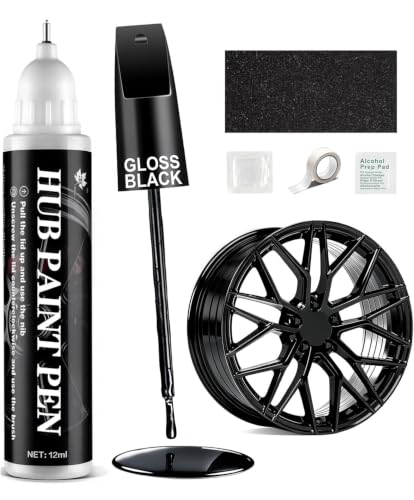
Regardless of your choice, regular maintenance is the best way to extend the life of your purchase. For those keeping their existing rims, you can refer to our guides on cleaning grease and asphalt or using a repair kit for curb rash.
An informed choice today ensures thousands of miles of safe, reliable, and performance-aligned driving.
📌 Pillar Resource: Read our complete complete Alloy Wheels vs. Premium Wheels: Understanding the Difference review for in-depth insights.