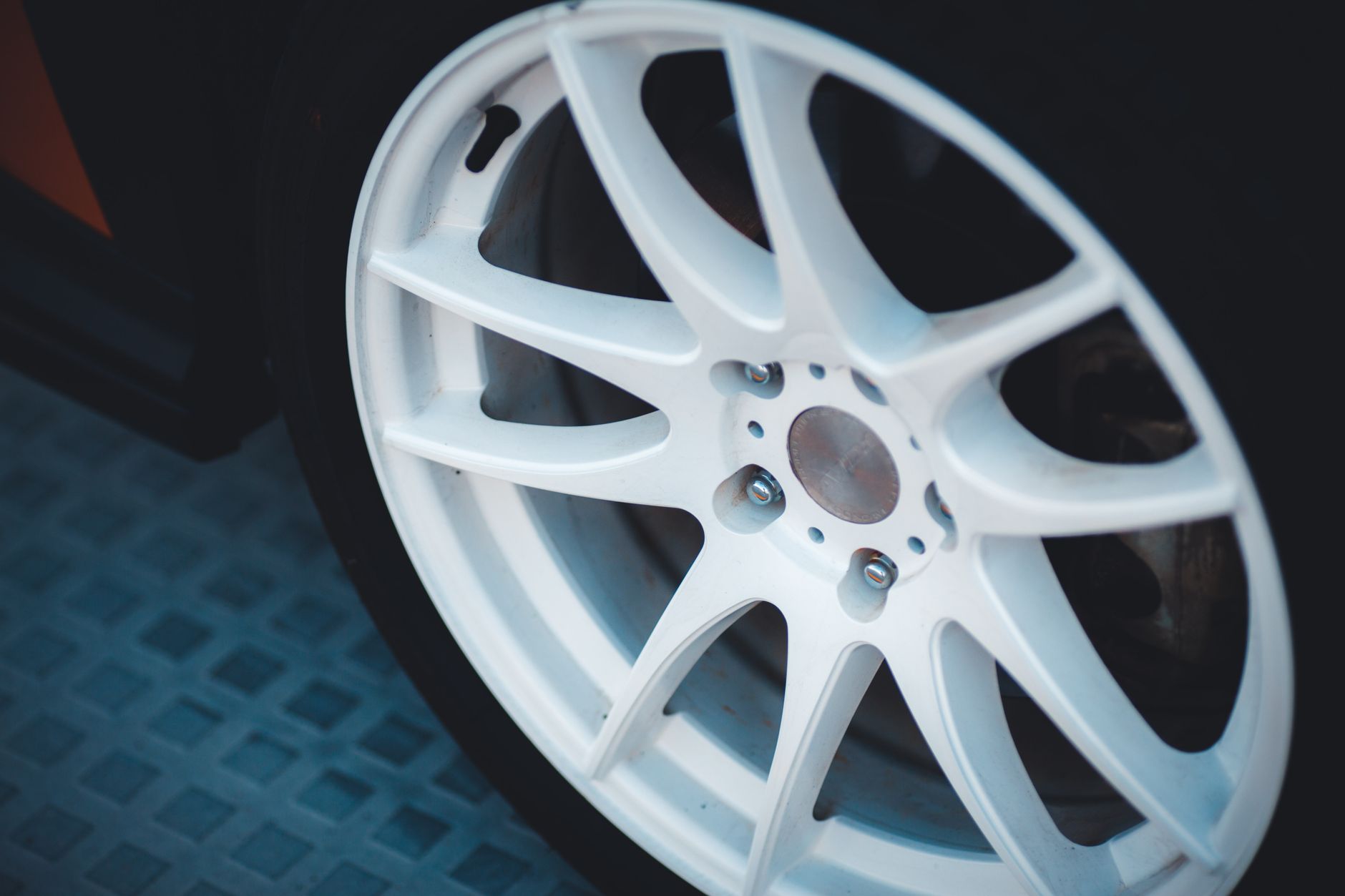
When looking for the Best Wheel Paint for Aluminum: Top Rim Paints & Touch-Ups to Restore Your Alloy Wheels vs Alternatives, owners must decide between dedicated aerosol wheel coatings and professional powder coating or vinyl wrap alternatives. Deciding between a DIY paint job and long-term professional finishing is a common challenge for vehicle owners aiming to maintain their wheels' aesthetics.
Many drivers struggle to determine whether a simple touch-up pen or a full-can spray paint will withstand harsh road conditions, or if they should instead look toward more durable, expensive professional alternatives like powder coating. This uncertainty often leads to inconsistent results and prematurely aging wheels.
This guide analyzes the technical requirements of wheel restoration to help you make an informed decision. By the end of this article, you will understand the trade-offs between cost, durability, and visual finish, allowing you to select the method that best suits your alloy wheel maintenance goals.
- Durability comparisons under thermal stress.
- Application ease for DIY enthusiasts versus pros.
- Cost-to-longevity ratio of paints vs. wrapping.
- Finish consistency and aesthetic impact.
- Long-term maintenance requirements for each method.
Overview & Head-to-Head Summary
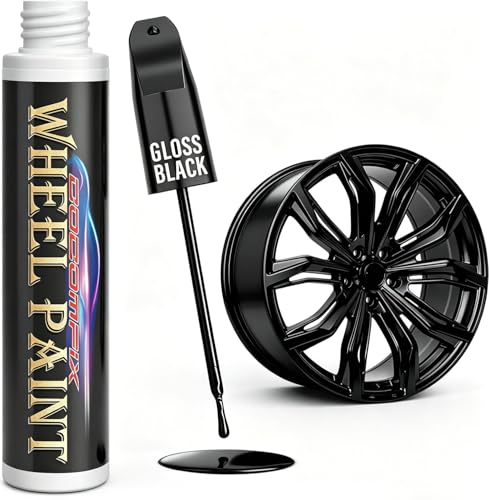
Specialized Wheel Paints
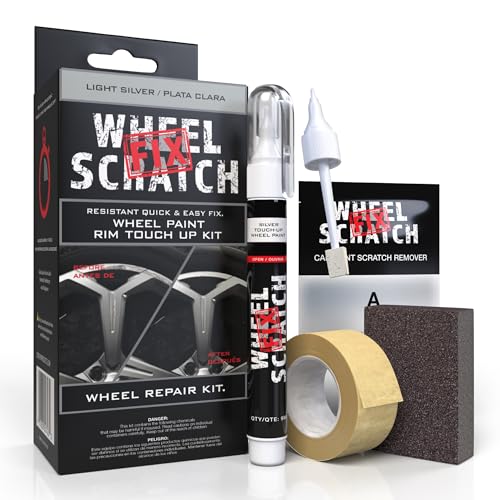
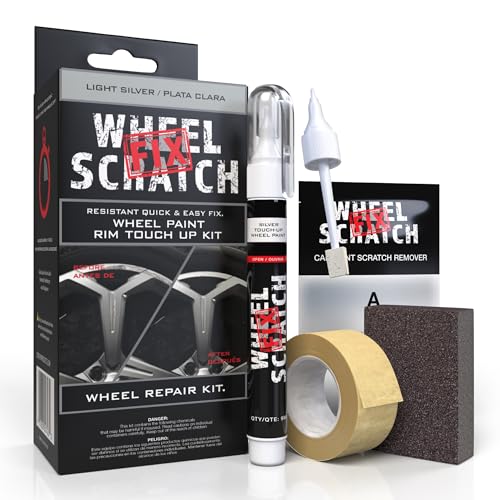
Wheel-specific paints are formulated with high-temperature resistance to endure heat generated by brake systems. These products typically come in spray cans or pens and are designed for adhesion to aluminum surfaces after proper cleaning and sanding.
Professional Alternatives (Powder Coating & Wraps)
Alternatives include powder coating, which uses an electrostatically charged dry powder cured in a heat oven, and vinyl wrapping. These options often provide higher chemical resistance and thicker protection layers than standard spray paints.
| Feature | Wheel Paint | Professional Alternatives |
|---|---|---|
| Cost | Low | High |
| Durability | Moderate | Excellent |
| Difficulty | Beginner/Intermediate | Professional Only |
| Turnaround | Hours/Days | Several Days |
Before applying any product, ensure you clean your rims thoroughly to remove brake dust residue; for best results, consult our guide on the Best Wheel Cleaner For Brake Dust.
Key Differences & Core Features

Chemical Composition and Adhesion
Wheel paint relies on solvent-based resins that air-dry and form a bond with the aluminum. While these are convenient, they are susceptible to stone chips over time. In contrast, powder coating undergoes a chemical cross-linking process during curing, resulting in a hardened surface that is significantly more resistant to impact.
Aesthetic Customization and Versatility
Paints offer a vast array of colors and finishes (matte, gloss, metallic) that are easy to touch up if minor scratches occur. Alternatives like vinyl wraps offer unique finishes like carbon fiber or chrome, which are nearly impossible to replicate with simple aerosol sprays, though they are harder to repair locally if damaged.
| Factor | Paint | Alternative |
|---|---|---|
| Chip Resistance | Fair | High |
| Reparability | High (Easy Touch-up) | Low (Requires Full Re-do) |
| UV Protection | Variable | Very High |
| Finish Options | Color-focused | Texture-focused |
For more context on how these finishes interact with different wheel types, review our Alloy Wheel Vs Aluminum: 2026 Buying Guide for Drivers.
Performance & Real-World Analysis

Evaluating Resistance to Thermal Cycling
Performance depends on how well the material handles heat. Aluminum wheels expand and contract during extreme braking. High-quality wheel paints use resins that flex slightly, whereas brittle low-end paints may crack under intense heat.
Longevity in Environmental Conditions
In regions with road salt or heavy rainfall, professional coatings provide superior oxidation protection. DIY paints require a clear coat to maintain longevity, which is a critical step many users overlook during the restoration process.
When selecting your path, consider if your vehicle is a daily driver or a high-performance machine, as discussed in our Alloy Car Toyota Corolla: Top Upgrade Options to Enhance Performance and Style.
Best Use Cases & Ideal Scenarios

When Option A Makes More Sense
DIY paint is ideal for budget-conscious owners, small touch-ups on curb rash, or individuals who enjoy customizing their vehicle’s appearance frequently. It is perfect for seasonal color changes.
When Option B Makes More Sense
Professional alternatives are best for wheels with complex geometry, high-performance vehicles where finish durability under heat is critical, or if you want a factory-level, long-term restoration that will last for years.
When It Genuinely Doesn't Matter
For show cars that rarely see the road or are stored in climate-controlled environments, both methods offer sufficient protection and aesthetic appeal.
Recommended Equipment & Solution

Zink Wheels Premium Tesla Wheel Curb Rash
A reliable pick for Zink Wheels Premium Tesla Wheel, selected based on this article's guidance.
Final Verdict & Decision Framework
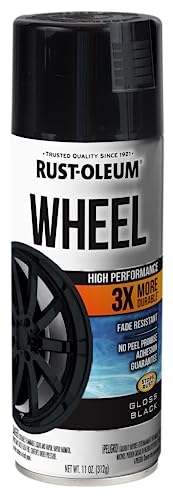
Quick Decision Checklist
Choose DIY paint if you have the time for proper prep, limited budget, and enjoy hands-on maintenance. Choose professional alternatives if you prioritize absolute durability and want a finish that survives harsh winter salt and extreme braking heat.
Our Framework for Choosing
| Your Goal | Recommendation |
|---|---|
| Quick/Cheap Repair | DIY Paint |
| Long-term Durability | Professional Coating |
| Unique Textures | Vinyl Wrap |
Frequently Asked Questions
Does wheel paint protect against rust?
A: Yes, paint creates a barrier against oxidation, but it works primarily on aluminum to prevent surface corrosion and salt damage.
How long does DIY wheel paint last?
A: With proper application and clear coat, it typically lasts 1-2 years before showing signs of wear or stone chips.
Is powder coating better than paint?
A: Generally, yes. It provides a thicker, more durable finish that is resistant to chipping and chemical degradation.
Can I spray paint over existing wheel finish?
A: You must sand the surface first. Without a mechanical bond, the new paint will likely flake off within months.
Are touch-up pens effective?
A: They are excellent for minor curb rash but unsuitable for large areas as they often leave visible brush marks.
Does temperature affect the paint job?
A: Yes, ambient humidity and temperature are critical. Applying paint in high humidity can cause cloudiness or adhesion failure.
What is the main benefit of vinyl wrapping rims?
A: It offers temporary style changes without permanent alteration, and it can be removed easily if you want the factory look back.
Do I need to remove the tires to paint wheels?
A: It is highly recommended. Removing tires prevents overspray and allows for better coverage on the inner rim edges.
Key Takeaways
- 1 DIY paints offer high cost-effectiveness for small repairs.
- 2 Professional alternatives provide superior long-term durability.
- 3 Surface preparation is the most critical step for success.
- 4 Wheel-specific products are required to handle heat buildup.
- 5 Always check the manufacturer's technical data sheets.
- 6 Environmental factors play a huge role in product longevity.
- 7 Professional coatings are usually worth the cost for high-value wheels.
Conclusion
Restoring your wheels is an excellent way to refresh your vehicle's look, but the choice between paint and professional alternatives depends on your investment in time and money. While DIY paints are accessible and versatile, professional coating provides a level of durability that is hard to match at home.
Ultimately, identify whether you are looking for a temporary fix or a permanent upgrade before gathering your supplies.
Selecting the right restoration method ensures your wheels remain a highlight of your vehicle's aesthetic for years to come.
📌 Pillar Resource: Read our complete complete Best Wheel Paint for Aluminum: Top Rim Paints & Touch-Ups to Restore Your Alloy Wheels review for in-depth insights.