Mastering the Alloy Wheels vs Steel Wheels: Choosing the Right Off-Road Wheels Sizing & Specs Checklist is essential for any off-road enthusiast looking to optimize vehicle handling and durability.
This guide is designed for intermediate DIY mechanics and off-roaders who understand basic vehicle maintenance but require specific technical insight to distinguish between material performance and sizing geometry. We assume a familiarity with basic hand tools and tire terminology.
By the end of this guide, you will be able to evaluate your driving terrain, calculate required backspacing, and confidently select the optimal wheel material and size for your specific vehicle configuration.
- Understanding metallurgical differences between alloy and steel.
- Calculating the impact of wheel offset and backspacing.
- Identifying the correct bolt pattern for your hub.
- Weight-to-strength ratios for rugged trail conditions.
- Maintenance requirements for long-term wheel health.
Overview & Prerequisites

Required Tools and Knowledge
Before beginning your wheel selection journey, ensure you have a torque wrench, a digital caliper for measuring backspacing, and a copy of your vehicle's specific owner manual specifications. You should also review Alloy Wheel Vs Aluminum: 2026 Buying Guide for Drivers to clarify material naming conventions.
Targeting Your Driving Environment
Identifying your primary terrain is the most critical prerequisite. Steel wheels are often favored for rock crawling due to their ability to bend rather than crack, while alloys offer reduced unsprung weight for higher-speed desert or trail riding.
Core Concepts & Fundamentals

Metallurgy and Performance Impacts
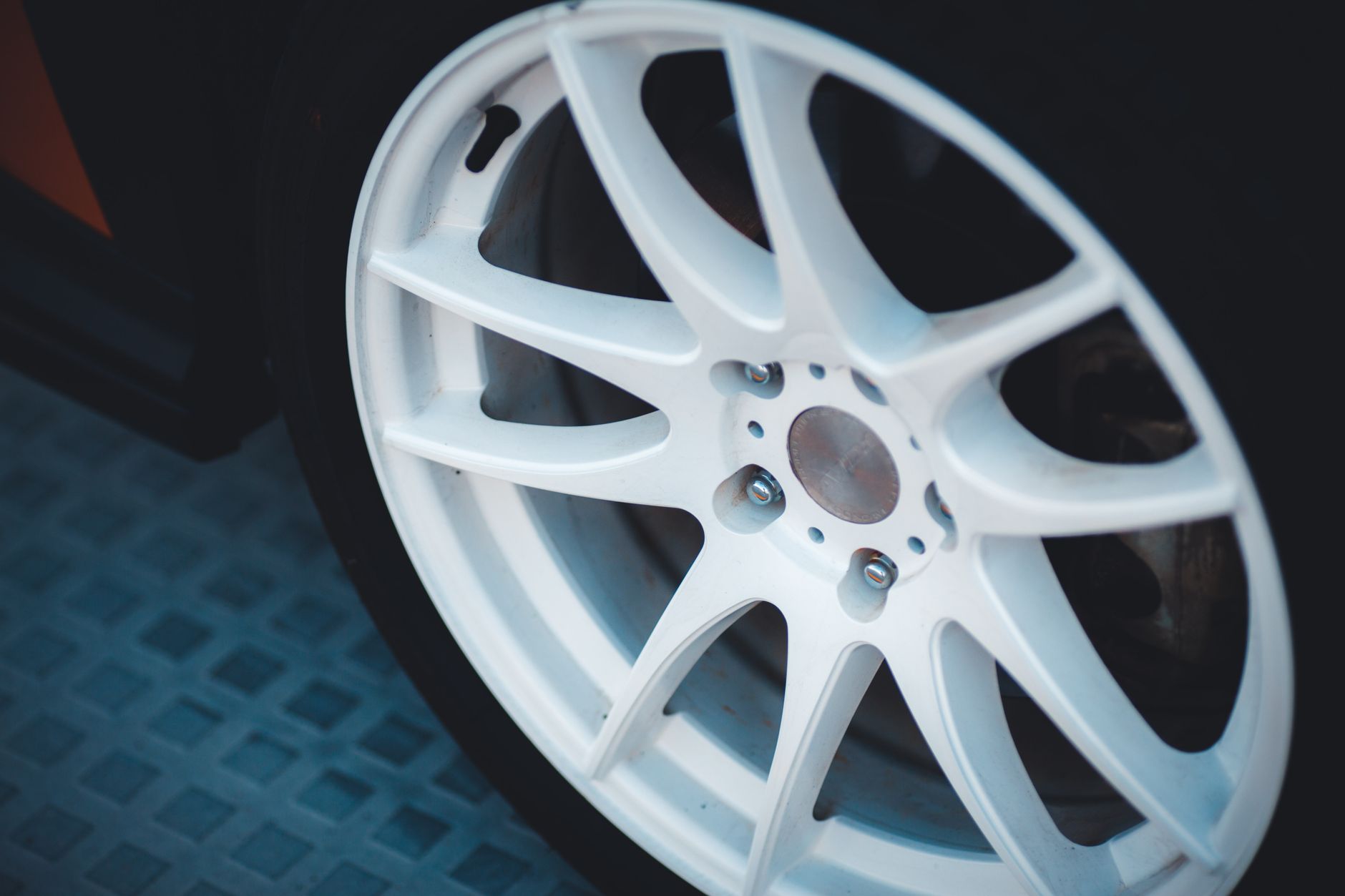
The fundamental trade-off lies between malleability and mass. Steel wheels are constructed from stamped steel sheets, providing high durability under impact, whereas alloys are cast or forged aluminum, which dissipates heat faster and reduces steering inertia.
Geometric Specs: Offset vs. Backspacing
Backspacing determines how far the wheel sits into the wheel well, which directly impacts your suspension clearance. Learn how to configure your setup properly by reading Step-by-Step: How to Setup, Configure & Master Alloy Wheels vs Steel Wheels: Choosing the Right Off-Road Wheels.
| Feature | Steel Wheels | Alloy Wheels |
|---|---|---|
| Weight | Heavy | Lightweight |
| Impact Resistance | Deforms/Bends | Cracks under extreme stress |
| Heat Dissipation | Low | High |
| Cost | Affordable | Premium |
Step-by-Step Execution Guide

Phase 1: Measurement and Compatibility
Before ordering, you must confirm your bolt pattern and center bore diameter. Discrepancies here lead to dangerous vibration and wheel assembly failure.
Phase 2: Finalizing the Installation
Recommended Equipment & Solution


The Off-Road 4-Wheel Drive Book: Choosing, Using
A reliable pick for The Off-Road 4-Wheel Drive Book, selected based on this article's guidance.
Best Practices & Pro Tips
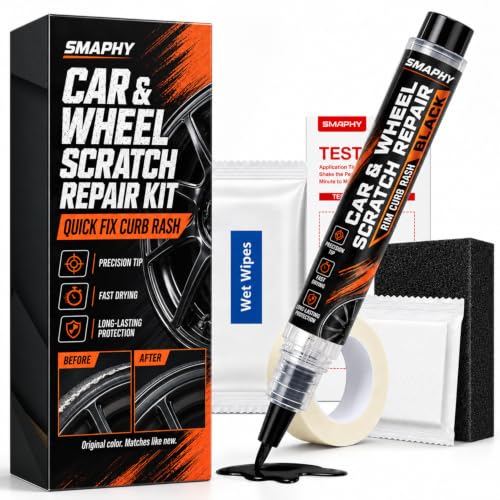
Maintenance for Longevity
Regardless of wheel material, brake dust buildup is a primary cause of cosmetic degradation. Utilizing the Best Wheel Cleaner For Brake Dust: Top Rated Picks 2026 will preserve the finish of your high-end alloys.
Trail-Ready Refinements
Troubleshooting & Common Pitfalls

Addressing Vibration Issues
If you experience vibrations after installation, re-check your wheel balancing. Learn more in our guide on Alloy Wheels vs Steel Wheels: Choosing the Right Off-Road Wheels vs Top Competitors: Which is Best?
Identifying Improper Fitment
Frequently Asked Questions
Are alloy wheels stronger than steel?
A: Alloy wheels are typically stronger in terms of tensile strength but steel wheels are more durable against impact damage because they bend instead of cracking.
Can I run steel wheels on a luxury vehicle?
A: While possible, the increased weight of steel wheels will negatively impact suspension performance and fuel economy on luxury platforms.
What is backspacing?
A: Backspacing is the distance from the mounting pad of the wheel to the inner edge of the wheel rim.
How do I find my bolt pattern?
A: Your bolt pattern consists of the number of lug holes and the diameter of the imaginary circle they form.
Are hub-centric rings necessary?
A: Yes, they are highly recommended to prevent steering wheel shimmy and vibrations at highway speeds.
Do alloy wheels require special lug nuts?
A: Many alloy wheels require specific lug nuts with a 60-degree conical seat to prevent damaging the wheel mounting surface.
Can I repair a bent steel wheel?
A: Often, yes, as steel is malleable; however, safety should be the priority, and professional inspection is required.
Does wheel weight matter for off-roading?
A: Yes, lower unsprung weight improves suspension response, allowing tires to follow trail contours more effectively.
Key Takeaways
- 1 Steel wheels are best for low-speed, high-impact rock crawling.
- 2 Alloy wheels provide superior weight savings for high-speed trail performance.
- 3 Always verify your vehicle's specific bolt pattern and hub diameter before purchasing.
- 4 Backspacing is the most critical factor in ensuring proper suspension clearance.
- 5 Regular cleaning is required to prevent oxidation, especially on alloy finishes.
- 6 Never ignore vibration; it is a primary sign of improper fitment or balance.
- 7 Always use a torque wrench to ensure even load distribution across your studs.
Conclusion
Choosing between alloy and steel wheels requires a balanced evaluation of your intended terrain, vehicle weight, and budget. By applying the steps outlined in this guide, you can ensure your vehicle remains safe and capable in any off-road environment.
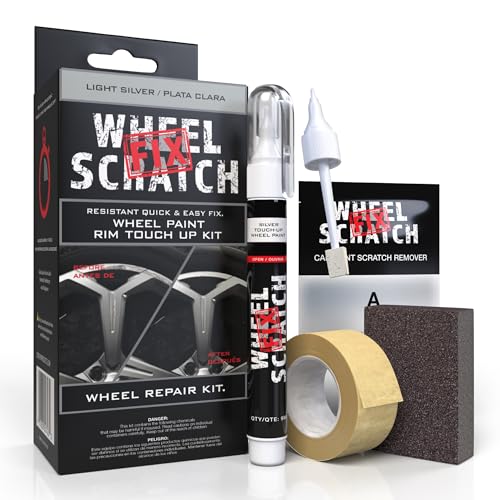
For further refinement, consult Top 5 Must-Have Accessories for How to Repair Alloy Wheels : A Practical DIY Guide (2026) in 2026 to ensure you have the maintenance tools ready for your new setup.
With these technical insights, you are now prepared to make an informed decision that will elevate your off-road experience for the 2026 season.
📌 Pillar Resource: Read our complete our Alloy Wheels vs Steel Wheels: Choosing the Right Off-Road Wheels resource for in-depth insights.