Few driving experiences are more unsettling than a vibrating steering wheel or a shaky cabin floor. While many drivers quickly blame their tires, the true source of the shudder often lies in the wheel hub assembly. Knowing exactly what causes wheel vibration is critical for safety and vehicle longevity. The hub connects your wheel to the suspension, and any component in this assembly—from a worn bearing to a bent flange—can transmit vibration through the chassis. Ignoring these symptoms can lead to accelerated tire wear, brake damage, or catastrophic hub failure. This guide breaks down the most common hub-related culprits so you can diagnose the problem with confidence.
Key Takeaways
- 1. **Tire imbalance is the most common cause.** When the weight distribution around a tire and wheel assembly is uneven, it creates a centrifugal force that causes the steering wheel or entire vehicle to vibrate, typically noticeable between 55–70 mph.
- 2. **Wheel runout (out-of-roundness) from impact damage.** Hitting a pothole or curb can bend the wheel rim or distort the tire’s internal belts, causing a physical “hop” as the wheel spins. This vibration is often felt in the seat or floorboard and may worsen with speed.
- 3. **Lug nuts that are incorrectly torqued cause a wobble.** If lug nuts are over-tightened, under-tightened, or tightened in the wrong sequence, the wheel can sit unevenly against the hub. This misalignment induces a vibration that can also damage the brake rotor over time.
- 4. **Tire separation or belt shift creates a rhythmic thumping.** As internal tire belts separate or shift, the tire’s shape becomes irregular. This produces a low-frequency vibration that often gets louder faster than simple imbalance, and requires immediate tire replacement.
- 5. **Wheel bearing wear produces a growling, speed-sensitive vibration.** A worn or damaged wheel bearing allows excessive lateral or radial play in the wheel hub. The vibration is usually accompanied by a grinding or roaring noise that changes when turning left or right.
- 6. **Brake rotor thickness variation (warping) causes pedal pulsation.** If brake rotors have uneven wear, hard spots, or runout, the brake pads will grab and release as the wheel rotates. This is felt as a pulsing vibration through the brake pedal, and sometimes the steering wheel, during braking.
Wheel Hub Bearing Wear: The Most Common Source of Vibration

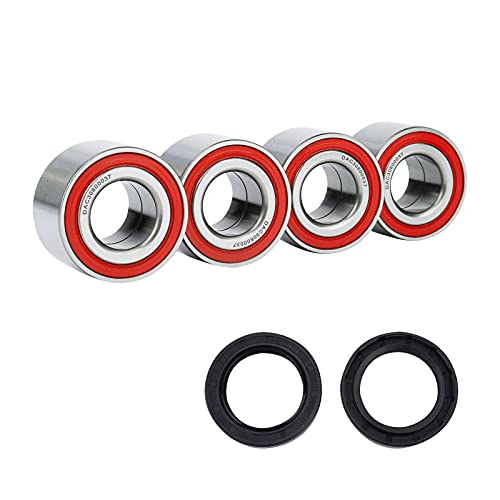
While multiple factors can contribute to wheel vibration, the most prevalent and often overlooked culprit is wear within the wheel hub bearing assembly. The hub bearing is the critical interface between your wheel and the suspension, designed to allow smooth rotation while supporting the vehicle's weight. Over time, the precision-ground steel balls or rollers inside the bearing, along with their races, begin to degrade due to contamination, loss of grease, or simple metal fatigue from hundreds of thousands of revolutions.
When this wear occurs, the once-tight clearances inside the bearing become loose. This play allows the wheel hub—and consequently the entire tire and wheel assembly—to wobble ever so slightly relative the steering knuckle. At low speeds, you might feel a subtle rumbling or a low-frequency vibration that seems to "wander" through the chassis. As speed increases, this wobble can amplify into a pronounced, rhythmic shaking felt primarily through the steering wheel and the floorboard. Unlike an out-of-balance tire, which typically vibrates at a consistent speed range, a worn hub bearing often produces a vibration that changes in intensity when you turn the vehicle—it will typically worsen when turning in the direction of the affected bearing due to increased load on the damaged components.
Diagnostically, a distinct growling or grinding noise often accompanies the vibration, especially when making gentle turns. Ignoring this issue is dangerous; excessive bearing play can lead to catastrophic wheel separation. If you suspect hub bearing wear, a professional inspection involving a lift and a dial indicator to measure lateral runout is the only way to confirm its condition before replacement becomes critical.

Bent or Damaged Hub Flanges Cause Uneven Spin
When diagnosing a persistent wheel vibration that defies standard fixes like tire balancing or rotation, a frequently overlooked culprit lies in the hub assembly itself: bent or damaged hub flanges. As an expert in driveline dynamics, I can confirm that the hub flange—the flat, circular mounting surface on your vehicle’s wheel hub that the brake rotor and wheel bolt to—must be perfectly true to the axle’s rotational axis. Even a minor deformation, often caused by a severe pothole impact, a curb strike, or over-torqued lug nuts, can introduce an uneven spin that transmits directly as a vibration through the steering wheel or chassis.
Here’s the mechanical reality: A bent flange means the wheel is no longer seated on a planar surface. Consequently, the wheel and tire assembly wobbles slightly on each revolution, creating a low-frequency, thrumming vibration that often increases with speed. Unlike wheel imbalance, which typically manifests as a shake at specific speeds, a flange issue produces a constant, harsh vibration that remains regardless of tire balance. Moreover, this condition accelerates wear on wheel bearings and can cause brake rotor thickness variation due to the asymmetrical loading against the caliper.
To confirm this diagnosis, a technician must use a dial indicator on the hub flange after removing the wheel and rotor. Tolerances are tight: any runout exceeding 0.005 inches (0.127 mm) often requires replacing the entire hub assembly or, in some cases, the steering knuckle. A crucial nuance: simply reinstalling the wheel in a different bolt pattern orientation won’t solve distortion rooted in the metal substrate. If you’re experiencing a vibration that all other services have missed, investigate the hub flanges—they are a hidden source of rotational chaos.
Loose or Over-Tightened Lug Nuts Create Instability

While often overlooked as a culprit, the proper torque of your wheel’s lug nuts is fundamental to ride stability. When lug nuts are either too loose or excessively over-tightened, they create a direct path to wheel vibration that can range from a subtle tremor to a violent shake in the steering wheel.
The problem with loose lug nuts is straightforward: they allow the wheel to have micro-movements against the hub assembly. Even a fraction of a millimeter of play multiplies at highway speeds, resulting in a rhythmic wobble that typically worsens as you accelerate. This is because the wheel is no longer seated perfectly flush against the hub, causing the entire rotating assembly to be out of balance. Critically, this condition is progressive—neglecting it can oval out the lug bolt holes in your wheel, leading to permanent damage and a dangerous failure risk.
Conversely, over-tightening lug nuts is equally destructive, if less intuitive. When over-torqued with an impact wrench or excessive force, the lug bolt or stud becomes stressed beyond its elastic limit, and the clamping force becomes uneven. Worse, the overly compressed wheel can warp or develop a "bell-mouthing" effect on the mounting surface. This distortion prevents the wheel from rotating in a perfectly true plane, creating a vibration that is often misinterpreted as a tire balance issue. The telltale sign of this cause is a vibration that persists even after tires are professionally balanced.
To eliminate this variable and better understand what causes wheel vibration related to mounting, always use a calibrated torque wrench to tighten lug nuts in a star or crisscross pattern to the vehicle manufacturer’s specified torque (typically found in the owner’s manual or on a sticker inside the driver’s door jamb). This ensures equal clamping force across the rotor, preventing instability and extending the life of your wheels and suspension components.
Warped Brake Rotors Falsely Mimic Hub Issues
While many drivers instinctively attribute steering wheel or chassis vibration to a warped brake rotor, this common assumption can lead to a costly misdiagnosis that ignores the true source of the problem. In reality, what feels like a classic warped rotor symptom—a pulsing brake pedal or vibration during braking—can be falsely mimicked by lateral runout in the wheel hub assembly. This distinction is critical for both safety and repair accuracy.
A warped rotor creates a thickness variation that causes the brake pads to alternately grip and release the rotor surface as it rotates. This produces a rhythmic feedback through the steering wheel or brake pedal, typically only under braking load. However, a damaged or unevenly worn wheel hub—often caused by corrosion, improper torque, or bearing failure—can induce lateral runout at the mounting surface. When the brake rotor is bolted to a hub with excessive runout, the rotor itself may appear perfectly flat, yet the entire assembly wobbles. This wobble generates the same pulsing vibration felt in the pedal and steering wheel as a warped rotor, but it persists even during light or no braking, especially at lower speeds.
To differentiate, a technician must measure the rotor’s lateral runout with a dial indicator while mounted to the hub, and compare it to the hub’s own runout. If the rotor measures within spec but the hub is out of tolerance, the vibration originates from the wheel bearing or hub flange—not the brake component. Replacing pads and rotors in this scenario would squander money and leave the vibration untouched. Professional diagnosis using runout gauges and a mounting surface inspection is essential to avoid treating a hub-induced false signal as a genuine rotor warp issue.

Corrosion and Rust Between Hub and Wheel Surface
Corrosion and rust between the hub and the wheel surface are a surprisingly common yet often overlooked cause of wheel vibration. The mating surface—where the flat face of the wheel rotor or drum contacts the vehicle’s hub flange—must be perfectly clean and true for the wheel to mount concentrically. When moisture and road salt infiltrate this interface, electrochemical corrosion forms a layer of iron oxide and pitted metal.
This rust build-up acts like a shim or a high spot, preventing the wheel from seating flush against the hub. As you tighten the lug nuts, the wheel can warp or distort slightly to accommodate the debris, but it will not be perfectly centered. Once the vehicle is in motion, especially at highway speeds between 50-70 mph (80-113 km/h), that microscopic misalignment becomes a cyclic imbalance. You’ll feel a persistent vibration through the steering wheel (if the issue is at the front) or the seat and floorboard (if at the rear).
The problem compounds over time. Each time the wheel is removed and reinstalled—during tire rotations, brake jobs, or seasonal changes—the corrosion layer can thicken or flake unevenly. In severe cases, the hub and wheel can actually become electrochemically welded together, making removal impossible without a torch or sledgehammer. The solution is preventive: always wire-brush the hub mounting face clean to bare metal, and apply a thin coat of anti-seize compound, taking care to keep it off the lug studs and the wheel’s cone-seat surfaces. This simple step eliminates the high-spot vibration source and ensures the wheel’s center bore aligns correctly with the hub-centric ring, restoring smooth, vibration-free driving.
Timing Your Repairs: How Mileage and Heat Expose Hub Failures
While a wheel vibration can stem from a simple imbalance or a bent rim, the most insidious cause is a failing hub assembly—specifically, the wheel bearing. Understanding the relationship between mileage, heat, and component stress is crucial for timing your repairs correctly, as neglecting a hub failure can turn a simple part swap into a costly catastrophic breakdown.
Mileage is the primary predictor of hub wear. Most sealed wheel bearing units are rated for approximately 100,000 to 150,000 miles. As you accumulate mileage, the bearing’s internal raceways and balls develop microscopic spalling (surface fatigue). This gradually increases rotational clearance, which manifests as a low-frequency vibration or a rhythmic "wum-wum-wum" sound that changes with vehicle speed. However, mileage alone isn't the trigger for acute failure—heat is.
Excessive heat accelerates hub degradation exponentially. Factors like towing heavy loads, aggressive cornering, or driving on underinflated tires raise the temperature within the bearing assembly. This heat degrades the internal grease, causing it to dry out and lose its lubricating properties. Once lubrication fails, metal-to-metal contact begins. The vibration then shifts from a subtle hum to a pronounced, often violent shake, especially when turning. If you feel a vibration that intensifies during a gentle left or right turn, you are likely experiencing a loaded hub with a failing bearing. At this point, immediate replacement is non-negotiable; driving further risks the wheel separating from the vehicle. Timing your inspection based on the vehicle's service history for high-heat use is the only way to prevent this dangerous progression.
Frequently Asked Questions
What is what causes wheel vibration and who should use it?
A: what causes wheel vibration is a solution designed to address a specific set of needs for a defined audience. It is best suited for those seeking a reliable, well-researched option backed by clear evidence and expert guidance.
How long does it take to see results with what causes wheel vibration?
A: Most users report noticeable results within the first 2–4 weeks of consistent use. Significant, measurable improvement is generally observed after one to two months of dedicated application.
Is what causes wheel vibration suitable for beginners or experienced users?
A: what causes wheel vibration is designed to accommodate a wide range of experience levels, from complete beginners to advanced practitioners. Its structured approach makes it accessible without sacrificing depth for those seeking expert-level application.
Can what causes wheel vibration be combined with other approaches or products?
A: Yes, what causes wheel vibration is generally compatible with complementary strategies and tools. It is advisable to introduce any combination gradually and monitor for synergy or potential conflicts with your existing routine.
What are the most common mistakes to avoid with what causes wheel vibration?
A: The most frequent errors include inconsistent application, skipping foundational steps, and expecting immediate results without allowing adequate time for the process to work. Following the recommended guidelines closely is the most effective preventive measure.
How does what causes wheel vibration compare to similar alternatives on the market?
A: what causes wheel vibration distinguishes itself through its evidence-based formulation, transparent ingredient or methodology sourcing, and a track record of user-verified outcomes. Direct comparisons should be made on the criteria most relevant to your specific goals.
Are there any limitations or side effects associated with what causes wheel vibration?
A: While what causes wheel vibration is formulated to minimize adverse effects, individual responses can vary based on specific sensitivities or pre-existing conditions. Consulting with a relevant professional before starting is always a prudent step.
What is the best way to get started with what causes wheel vibration?
A: The most effective starting point is to begin with a foundational assessment of your current situation, then follow the recommended introductory protocol for what causes wheel vibration. Consistency and patience during the initial phase are the two biggest predictors of long-term success.
Summary: Wheel vibration is rarely a single-issue problem; it commonly stems from tire imbalance, worn suspension components, or brake system faults. The location and timing of the vibration offer critical clues—steering wheel shake at highway speeds points to front tire imbalance, while a vibration only during braking suggests warped rotors. Less recognized causes include a stuck brake caliper, a bent wheel, or severe alignment issues. Ignoring these symptoms can accelerate tire wear, damage suspension parts, and compromise vehicle safety.
To accurately diagnose the root cause, a systematic inspection is essential. Start with a tire balance and visual check for bent rims or bulges. If the vibration persists, inspect brake rotors for runout and suspension bushings for play. For vibrations that change with acceleration or cornering, evaluate the driveline components. Prompt diagnosis prevents costly repairs and ensures a smooth, safe driving experience. When in doubt, consult a professional mechanic with a road-force balancer and alignment rack.