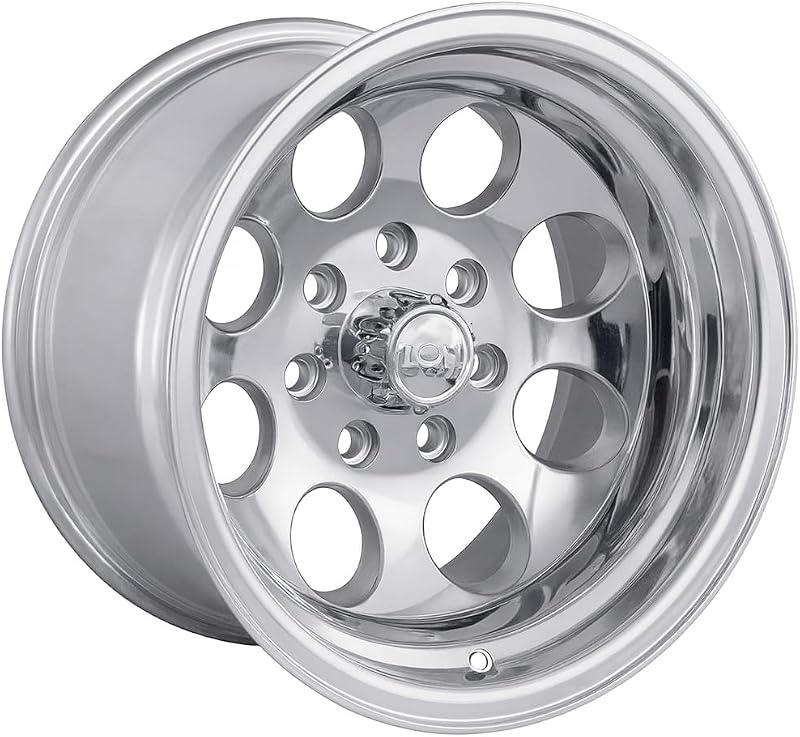
When evaluating high-performance vehicle upgrades, understanding what are the characteristics of a forged alloy race wheel remains the definitive metric for professional racers and enthusiasts alike. Unlike mass-produced alternatives, these wheels represent the pinnacle of metallurgical engineering and stress management.
This guide is intended for automotive enthusiasts, amateur track day participants, and mechanics who demand maximum reliability from their hardware. We assume a foundational understanding of vehicle dynamics but provide deep technical context for those looking to refine their setup.
By the end of this guide, you will be able to distinguish between various manufacturing techniques, identify high-stress failure points, and select the appropriate wheel specifications for your specific racing discipline.
- Molecular density benefits of the forging process.
- Weight-to-strength ratios compared to cast components.
- Thermal dissipation characteristics under heavy braking.
- Load-bearing capacity in high-G cornering maneuvers.
- Longevity and material fatigue resistance in racing environments.
Overview & Prerequisites

Required Knowledge and Tooling
Before installing or evaluating these wheels, ensure you have a baseline knowledge of torque specifications and hub-centric fitment. It is essential to understand the difference between standard alloy wheels and performance-forged variants, as explored in The Physics Of The Alloy Wheels Vs The Basic Wheels Explained In Crisp: Performance Secrets Revealed.
Target Audience Requirements
This guide assumes access to a calibrated torque wrench, a low-profile floor jack, and basic knowledge of wheel offset. Familiarity with performance tire pressures is recommended, as wheels should always be balanced alongside their intended racing rubber.
Core Concepts & Fundamentals

Molecular Grain Structure
The primary characteristic of a forged wheel is the refinement of the metal's grain structure through intense pressure and heat. This process eliminates the microscopic voids typically found in cast wheels, resulting in a significantly more uniform and resilient material.
Mechanical Properties and Performance
Forged wheels offer superior stiffness, which directly influences steering response and precision. By minimizing wheel flex, the vehicle maintains a consistent contact patch, providing predictable feedback during high-speed transitions on the track.
| Feature | Forged Alloy Wheel | Cast Alloy Wheel |
|---|---|---|
| Grain Structure | Aligned, Dense | Random, Porous |
| Weight | Ultra-Lightweight | Moderate to Heavy |
| Flex | Minimal (High Rigidity) | Higher (Elasticity) |
| Failure Mode | Deformation (Bends) | Cracking (Fractures) |
Step-by-Step Execution Guide

Preparation Phase
Before mounting the wheels, clean the hub mating surfaces to ensure perfect seating. Verify the bolt pattern and the offset compatibility with your brake calipers to avoid interference during rotation.
Installation and Inspection Phase
Execute the installation using a cross-pattern tightening sequence. Always utilize a high-quality torque wrench to prevent stress risers on the wheel studs.
Best Practices & Pro Tips

Maintenance of Forged Finishes
To preserve the finish on high-end forged wheels, avoid harsh acid-based cleaners. Use pH-neutral solutions to prevent etching. For DIY maintenance, you can review Best Homemade Alloy Wheel Cleaner: Easy DIY Recipes & Top Product Alternatives.
Optimizing Performance
Ensure that your forged wheels are paired with high-performance valve stems that can handle high-temperature environments. Check your air pressure frequently, as track conditions change with ambient temperature.
Troubleshooting & Common Pitfalls

Identifying Structural Degradation
Even the strongest forged wheels show signs of fatigue. Look for hairline cracks near the lug seats or uneven wear patterns on your tires, which may indicate a bent wheel flange.
Mitigating Common Failure Modes
If you experience unusual vibrations, check for tire separation first, then inspect the wheel balance. For more on tire maintenance, see 7 Common Problems with The 8 Best Portable Motorcycle Tire Inflators for 2025 (and Quick Fixes).
Frequently Asked Questions
What makes forged wheels lighter?
A: Forged wheels use higher-density alloys, allowing engineers to use less material for the same load-bearing capacity compared to casting.
Are they worth the cost?
A: For competitive racing, the reduction in unsprung weight and rotational inertia provides measurable lap time improvements.
How often should they be checked?
A: Inspect your wheels before and after every track event for hairline cracks or structural deformations.
Can forged wheels be repaired?
A: They can be repaired in specific ways, but intense structural heat-straightening often destroys the forge's temper; consult a specialist.
Do they improve braking?
A: Yes, by reducing rotational mass, the braking system has less energy to dissipate during deceleration.
Are they more brittle than cast?
A: No, the forging process actually makes them more ductile and resistant to cracking under stress compared to cast alloys.
Does the finish affect performance?
A: While performance is driven by structure, a smooth finish reduces brake dust adhesion, preventing long-term corrosion.
What is the most important factor when buying?
A: Ensure the wheel is TUV or JWL certified to guarantee it meets your specific vehicle's load requirements.
Key Takeaways
- 1 Forged wheels undergo extreme pressure to create a dense, void-free grain structure.
- 2 Weight reduction significantly lowers rotational inertia and unsprung mass.
- 3 Increased structural stiffness improves steering precision and feedback.
- 4 Always verify load ratings against total vehicle weight.
- 5 Use calibrated torque wrenches to prevent stress-induced fractures at lug seats.
- 6 Regular cleaning prevents brake dust from damaging the surface finish.
- 7 Monitor wheels for lateral runout after heavy impacts or off-track excursions.
Conclusion
Mastering what are the characteristics of a forged alloy race wheel is about recognizing the balance between structural integrity and performance weight. By prioritizing quality, fitment, and consistent maintenance, you ensure that your vehicle performs reliably under the most demanding conditions.
As you move forward, keep your focus on the data provided by your vehicle’s handling characteristics. If you are preparing for a race, also consider checking your electrical systems for stability, such as exploring Yts14 Vs Etx14: Which High-Performance Battery Reigns Supreme?
Precision at the hub is the foundation of every winning lap.