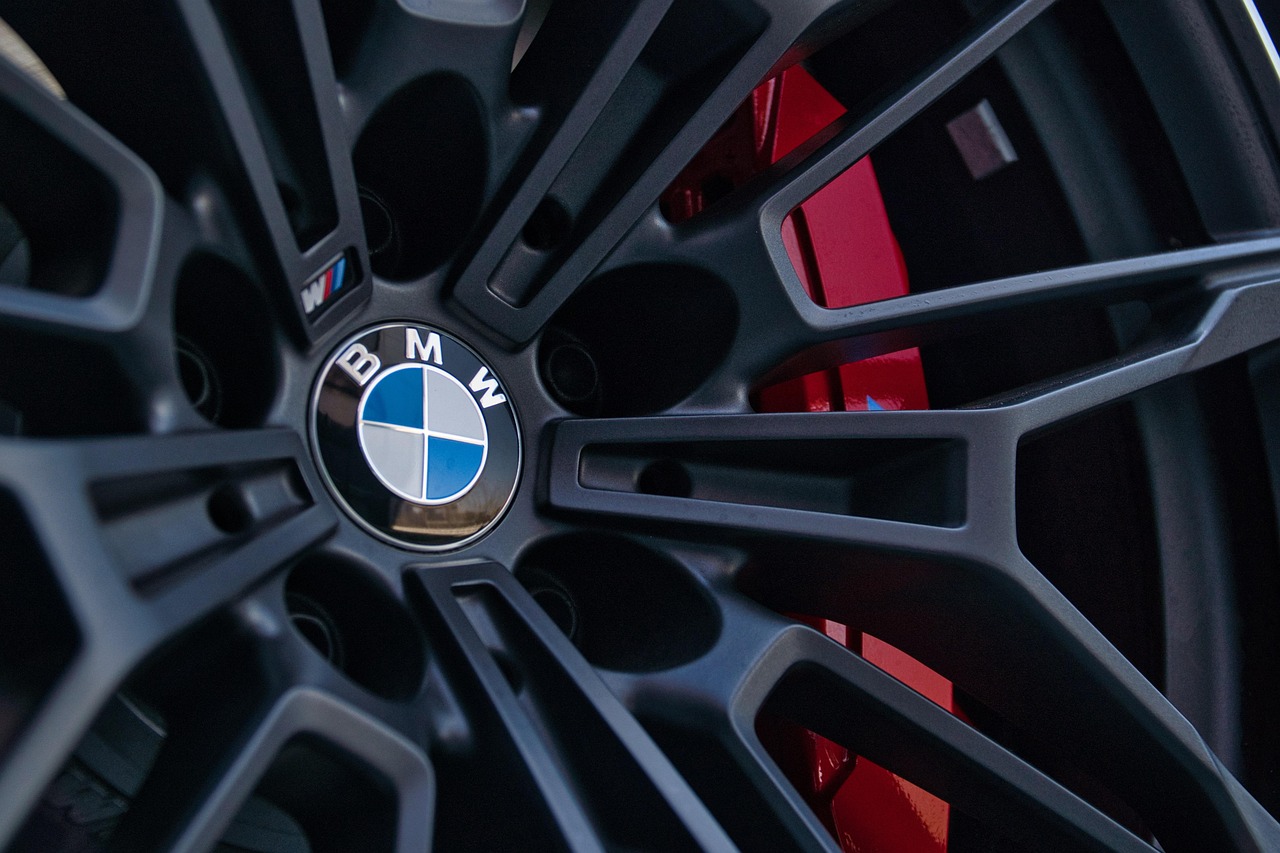
Learning how to setup & use the 8 best portable motorcycle tire inflators for 2025 is a critical skill for every rider, ensuring you maintain optimal tire pressure for performance and safety on the road.
This guide is designed for motorcycle enthusiasts of all skill levels, from weekend tourers to daily commuters, who want to take control of their vehicle's tire maintenance. We assume a basic familiarity with motorcycle components but provide detailed instructions for those new to DIY roadside gear.
By the end of this guide, you will be able to select, power, calibrate, and operate a portable inflator with confidence, protecting your wheel health and improving handling.
- Understanding power source compatibility (12V vs. battery).
- Selecting the correct nozzle adapter for valve types.
- Calibrating digital pressure gauges for accuracy.
- Establishing a safe inflation workflow.
- Troubleshooting common pump malfunctions on the road.
Overview & Prerequisites

Required Equipment and Components
To begin, you will need your chosen portable motorcycle tire inflator, a high-quality tire pressure gauge for verification, and a clean workspace. Ensure your motorcycle's battery is sufficiently charged if you plan to use a 12V DC plug-in model, or that your portable unit’s internal battery is fully topped off.
Safety Considerations and Skill Level
This guide is suitable for any rider. Always work on level ground with the motorcycle in neutral and the side stand deployed. Never attempt to inflate tires while the engine is running unless specifically required by your pump's power instructions, as this can fluctuate voltage levels.
Always verify your target PSI against the sticker on your swingarm or manual, rather than the maximum pressure listed on the tire sidewall.
Core Concepts & Fundamentals
Understanding Tire Pressure Dynamics
Maintaining proper PSI is vital for the integrity of your motorcycle's alloy wheels. Under-inflation leads to excessive sidewall flex and potential rim damage, while over-inflation reduces the contact patch, negatively impacting traction during cornering.
Digital vs. Analog Accuracy
Most modern portable inflators use digital sensors. It is a fundamental principle to periodically cross-reference these readings with a dedicated manual gauge, as vibration and heat can sometimes drift internal sensors over time.
| Feature | Correct Approach | Incorrect Approach |
|---|---|---|
| Calibration | Check against manual gauge | Trusting default pump settings |
| Inflation | Pulse inflation for accuracy | Over-filling then releasing |
| Power | Engine off (mostly) | Excessive engine idling |
Step-by-Step Execution Guide

Preparation Phase
Start by removing the valve cap and clearing any debris. If you have been riding, allow the tires to cool for at least 20 minutes to get an accurate "cold" PSI reading.
Execution Phase
Recommended Equipment & Solution

Tire Inflator Portable Air Compressor, 150PSI Cordless
A reliable pick for Tire Inflator Portable Air Compressor, selected based on this article's guidance.

Portable Air Compressor Tire Inflator, 150 PSI
A reliable pick for Portable Air Compressor Tire Inflator, selected based on this article's guidance.
Best Practices & Pro Tips

Maintaining Longevity
Store your pump in a vibration-dampened bag. Keeping the internal electronics away from excessive moisture is key to ensuring the device works when you are stranded on the roadside.
Environmental Awareness
Tire pressure fluctuates significantly with ambient temperature. Pro riders adjust their pressure depending on whether they are riding in high-heat track conditions or cool morning commutes.
Troubleshooting & Common Pitfalls
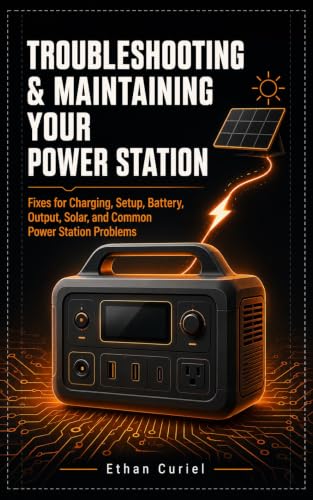
Diagnostic Procedures
If your inflator fails to start, first check the connection to the battery or the internal charge status. If the pump runs but tire pressure does not increase, check the nozzle connection for a faulty seal.
Resolution Strategies
Frequently Asked Questions
Can I use a car tire inflator on my motorcycle?
A: Yes, most portable inflators are universal, provided they fit the standard Schrader valve found on almost all motorcycles. Ensure the device is capable of the specific pressure range your motorcycle tires require.
How often should I check my tire pressure?
A: You should check your tire pressure at least once every two weeks or before every long-distance trip. Temperature changes in the air can significantly impact pressure readings.
Why does my pump get so hot during use?
A: Small air compressors work by compressing air very quickly, which generates heat through friction. This is normal, but allow the unit to rest if you are filling a completely flat tire.
Is it safe to use a digital gauge reading?
A: Digital gauges are generally very accurate, but they can drift over time. It is best practice to keep a small, high-quality analog stick gauge in your kit to verify readings occasionally.
What is the best PSI for my tires?
A: Always refer to the manufacturer’s label located on the swingarm or in your owner’s manual. Never use the "maximum PSI" stamped on the tire sidewall as your operating pressure.
Can a portable inflator damage my battery?
A: If the pump is wired directly to a small motorcycle battery, it can draw significant current. It is safer to use the pump while the engine is idling if your battery is small or aging.
Should I inflate tires while they are hot?
A: It is generally recommended to measure and inflate tires when "cold" (after sitting for 20+ minutes). Hot tires will give an artificially high pressure reading.
Do I need special adapters for different valves?
A: Most standard motorcycle tires use Schrader valves. If you have a specialty bike with Presta valves, you will need a specific adapter to bridge the connection.
Key Takeaways
- 1 Always verify your bike's recommended PSI from the manual, not the tire sidewall.
- 2 Perform inflation while tires are cold to ensure the most accurate baseline.
- 3 Invest in a reliable manual gauge as a secondary verification tool.
- 4 Keep your portable inflator stored in a dry, padded location to protect the sensors.
- 5 Always tighten valve caps securely to prevent debris from damaging the valve core.
- 6 Monitor electrical current if using a 12V port to avoid blowing bike fuses.
- 7 Practice the connection process at home to avoid frustration during an emergency.
Conclusion
Mastering the use of a portable tire inflator is a foundational step in motorcycle ownership. By integrating these tools into your regular maintenance routine, you ensure that your ride remains predictable, safe, and efficient regardless of the road conditions ahead.
As you gain proficiency, consider how your tire pressure preferences change based on load, weather, and terrain. Always keep your equipment in good working order.
With proper care and the right equipment, you can maintain your bike's performance for miles to come. Remember to check out our guide on alloy wheel physics to understand how pressure interacts with your rim design.
📌 Pillar Resource: Read our complete main The 8 Best Portable Motorcycle Tire Inflators for 2025 guide for in-depth insights.