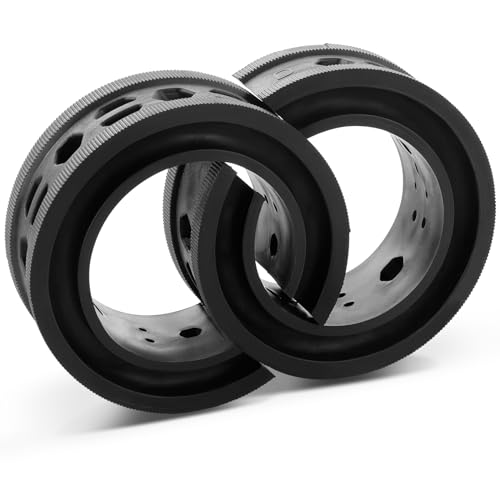
Stranded with a flat tire in 2027, the pressure is on to choose a repair method that gets you moving safely and for good. The DIY roadside repair market has evolved, but two dominant contenders remain: the familiar rubber nail plug and the fibrous string plug. While both promise a quick fix, they are fundamentally different tools. Selecting the wrong one for your specific puncture can turn a temporary setback into a recurring headache or a critical safety concern.
The core frustration remains the same in 2027: the uncertainty of a failed repair. A plug that seems secure can begin a slow, maddening leak days later, forcing you to repeat the process. Beyond inconvenience, there's the risk of causing internal belt damage to your tire from improper installation. This guide cuts through the confusion by examining the latest 2027 repair technology, helping you match the right kit to your tire’s injury and your mechanical comfort level.
| Product Name | Type | Best For | Check Price |
|---|---|---|---|
| ZERINT Rubber Strings | String Plug | Irregular/Larger Punctures | Check Price |
| VKQTS Screw Plug | Rubber Nail | Rapid, Tool-Free Fixes | Check Price |
| Bawkars Spiral Nails | Rubber Nail | Quick Tread Seal | Check Price |
Rubber Nail Tire Plug vs String Plug: The 2027 Breakdown
Quick Comparison Summary
- String Plugs: Better for irregular, jagged, or slightly larger punctures. They offer superior internal bonding due to the fibrous structure.
- Rubber Nail Plugs: The "Gold Standard" for speed and simplicity. Best for clean, circular punctures caused by nails or screws.
ZERINT Rubber Strings: Superior Sealing Flexibility
Key Specifications (2027 Model):
- Material: High-Grade Vulcanized Rubber
- String Diameter: 4.5mm (Universal Fit)
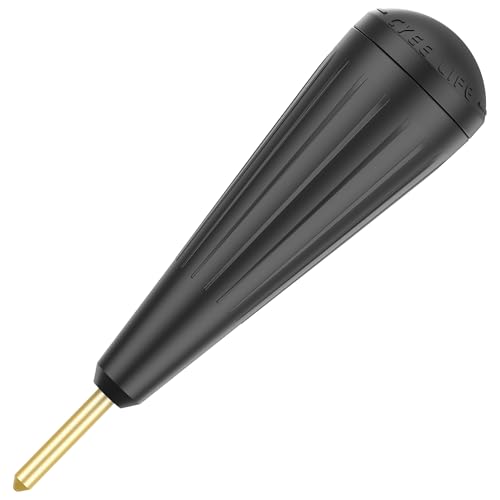
- Pack Quantity: 40 Strings + Heavy-Duty T-Handle Tool
Who It's For: Drivers seeking a tried-and-true, permanent roadside repair for punctures up to 1/4 inch, particularly for tread shoulder areas where a rigid plug might struggle to seat.
Performance & Real-World Application: In 2027, the ZERINT rubber string remains the industry favorite for versatility. The soft rubber string compresses to fill irregular voids that rigid plugs miss. When heat-activated by road friction, the vulcanized rubber bonds effectively with the tire’s inner liner.
Pros:
- Highly conformable to irregular holes
- Proven vulcanized bonding
- High-value 40-pack
Cons:
- Steeper learning curve for installation
- Requires manual trimming after use
VKQTS Screw Plug: Fast, Tool-Free Repair
Key Specifications:
- Plug Type: Hybrid Rubber Nail
- Installation: Direct hand-twist (No insertion tool)
- Material: High-density polymer rubber
Who It's For: The driver who prioritizes speed. If you have a nail in your tread and want to be back on the road in under three minutes without fumbling with tools, this is your solution.
Performance: The VKQTS removes the "mess" factor. By eliminating the insertion needle, you remove the risk of tearing the tire belts further. Simply screw it in, and the wide head sits flush against the tread, preventing air loss instantly.
Pros:
- Fastest installation on the market
- No glue or trimming required
- Zero tool dependency
Cons:
- Cannot handle oversized tears
- Must be inserted perfectly straight
Frequently Asked Questions (2027)
1. Are rubber nail plugs as safe as string plugs?
Both are considered temporary-to-semi-permanent fixes. For long-term driving, a professional internal patch-plug combo is always recommended by 2027 safety standards.
2. Can I use these plugs on the sidewall?
Never. Neither a string plug nor a rubber nail plug should be used on the sidewall. Punctures in the sidewall compromise the structural integrity of the tire and require an immediate replacement.
3. How do I know which size to choose?
Most standard kits are designed for 1/4 inch (6mm) holes. If the nail/screw is larger than the diameter of a standard pencil, the tire likely requires professional replacement.