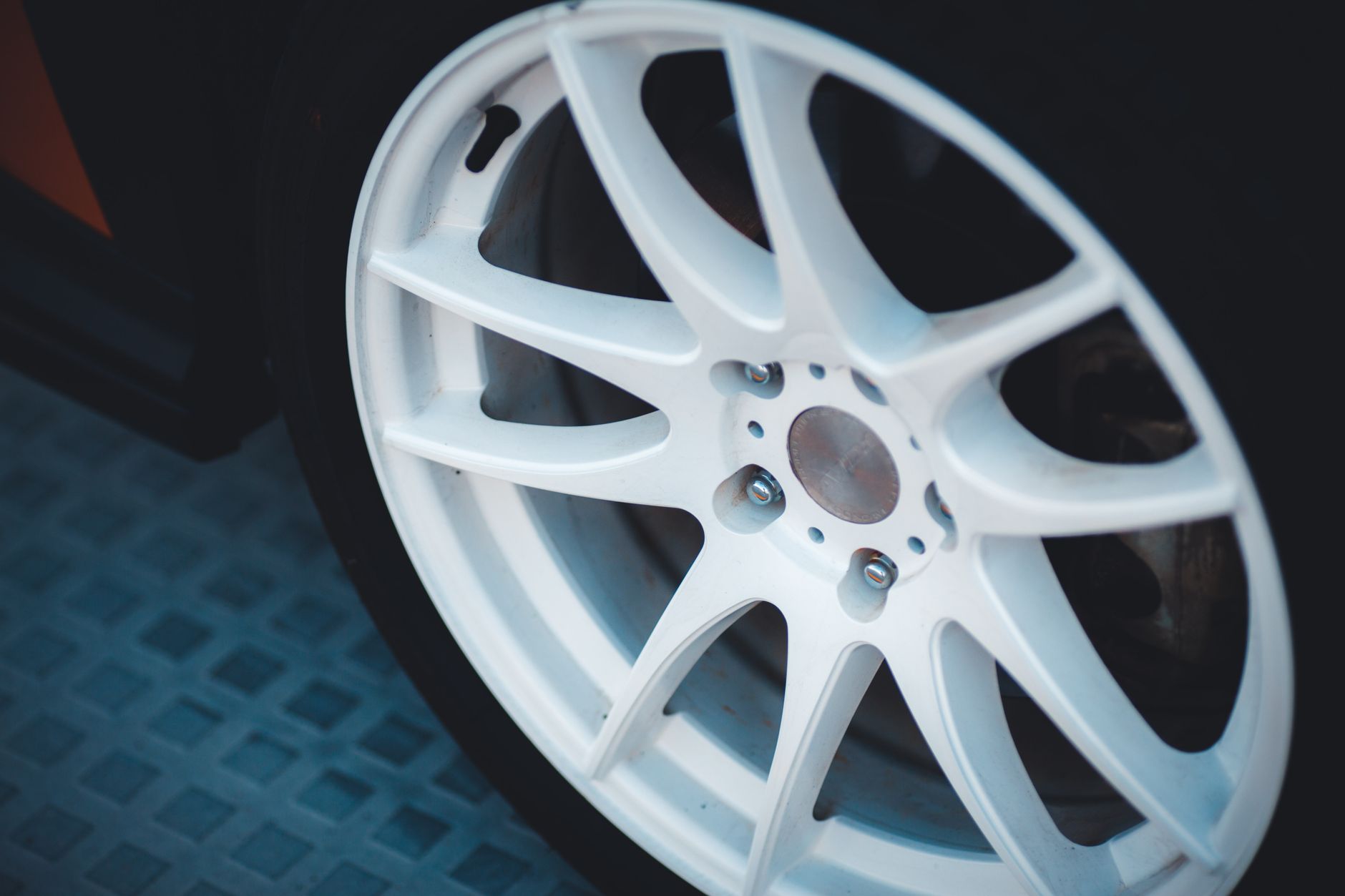
Learning how to Setup & Use Best Way to Clean Brake Dust Off Alloy Wheels: Safe, Effective Removal is essential for maintaining the aesthetic integrity and longevity of your vehicle's alloy components.
This guide is designed for automotive enthusiasts and car owners who want to transition from casual cleaning to professional-grade maintenance. It assumes a basic comfort level with automotive soap, water, and cleaning brushes, requiring no specialized mechanical skills.
By the end of this article, you will be able to execute a deep-cleaning protocol that removes stubborn carbon buildup without damaging your clear-coat finish, ensuring your wheels remain in peak condition.
- Chemical safety protocols for alloy surfaces
- Tool selection for non-abrasive cleaning
- Surface preparation techniques
- Step-by-step debris removal workflow
- Maintenance strategies for future protection
Overview & Prerequisites

Gathering the Essential Equipment
Success starts with the right inventory. You will need a pH-neutral wheel cleaner, a bucket of water, and high-quality brushes designed for alloy surfaces. Before starting, check your Best Alloy Wheel Brushes Non Scratch guide to ensure your tools will not mar the finish.
Understanding Compatibility Requirements
Not all cleaners are created equal. You must ensure that your cleaning solution is compatible with your wheel's specific finish, whether it be powder-coated, painted, or diamond-cut. Always work in a shaded, cool environment to prevent premature chemical drying.
Always test your cleaning solution on a small, inconspicuous area of the inner rim barrel before applying it to the entire surface to verify compatibility.
Core Concepts & Fundamentals

The Chemistry of Brake Dust Removal
Brake dust consists of metal shavings, carbon fibers, and adhesive resins that heat-bond to wheel surfaces. Effective removal requires the "dwell time" principle, where a chemical agent breaks the molecular bond between the contaminants and the alloy before physical agitation takes place.
Mechanical vs. Chemical Cleaning Models
Proper cleaning balances chemical dissolution with gentle physical removal. You can learn more about how this maintenance differs from standard care in our guide on 7 Common Problems with Alloy Wheels vs Normal Wheels.
| Approach | Effectiveness | Risk Level |
|---|---|---|
| Harsh Acid Cleaners | High | High (Corrosion) |
| pH-Neutral Cleaners | High | Low (Safe) |
| Dry Wiping | Low | Critical (Scratching) |
Step-by-Step Execution Guide

Preparation and Rinsing Phase
Begin by ensuring the wheels are cool to the touch. A thorough high-pressure rinse is the first step to remove loose debris, which prevents micro-scratching during the contact phase.
Chemical Application and Agitation
Apply your cleaner from the bottom up to ensure uniform coverage. Let the solution dwell for the manufacturer's recommended time before using your brushes to lift the contaminants.
Best Practices & Pro Tips

Maintaining Long-Term Protection
Once clean, apply a synthetic sealant or wheel wax to create a barrier that prevents future brake dust from adhering strongly. This makes subsequent cleanings significantly easier.
Refining Your Technique
Troubleshooting & Common Pitfalls

Addressing Stubborn Stains
If you encounter embedded contaminants, do not resort to abrasive pads. Use a clay bar to lift bonded particles safely. Refer to our resource on Best Way to Clean Brake Dust Off Alloy Wheels: Safe, Effective Removal vs Top Competitors for specialized solutions.
Identifying Damage Signals
Frequently Asked Questions
How often should I clean my alloy wheels?
A: For optimal protection, clean them every two weeks to prevent heavy brake dust buildup and chemical etching.
Can I use household dish soap?
A: While it removes grease, dish soap can strip protective waxes. A dedicated car shampoo or wheel cleaner is safer.
Is it safe to wash wheels while they are hot?
A: No, heat speeds up chemical reactions, potentially staining your clear-coat or burning the cleaner onto the metal.
What should I do if my wheels have deep scratches?
A: Surface scratches may require a professional polish, but deep gouges often indicate structural fatigue needing inspection.
Do I need a separate bucket for wheels?
A: Yes, using the same bucket as your paint wash introduces brake dust into your wash media, causing scratches on bodywork.
Are wheel brushes better than sponges?
A: Yes, brushes are designed to reach complex contours and internal barrels that sponges simply cannot access.
What is the best way to prevent brake dust buildup?
A: Applying a dedicated wheel wax or ceramic coating creates a smooth barrier that sheds dust more easily.
Should I use a pressure washer?
A: A pressure washer is effective but keep the nozzle at least 12 inches away to avoid damaging delicate finishes or valve stems.
Key Takeaways
- 1 Always cool the wheels before starting.
- 2 Use only pH-neutral cleaners to prevent surface etching.
- 3 Allow sufficient dwell time for chemical activation.
- 4 Use dedicated brushes to avoid scratching.
- 5 Separate wheel cleaning tools from bodywork tools.
- 6 Apply sealant after cleaning for easier future maintenance.
- 7 Regular, gentle cleaning beats infrequent, harsh scrubbing.
Conclusion
Mastering the technique for how to Setup & Use Best Way to Clean Brake Dust Off Alloy Wheels: Safe, Effective Removal ensures your wheels stay pristine without risking the finish. By focusing on pH-neutral chemistry and proper agitation, you protect your investment for years to come.
Consistent maintenance is the secret to a professional look. We encourage you to start with the correct tools to build a habit that preserves both your style and your vehicle's value.
Keeping your alloy wheels clean is the final, essential touch for any well-maintained vehicle.
📌 Pillar Resource: Read our complete main Best Way to Clean Brake Dust Off Alloy Wheels: Safe, Effective Removal guide for in-depth insights.