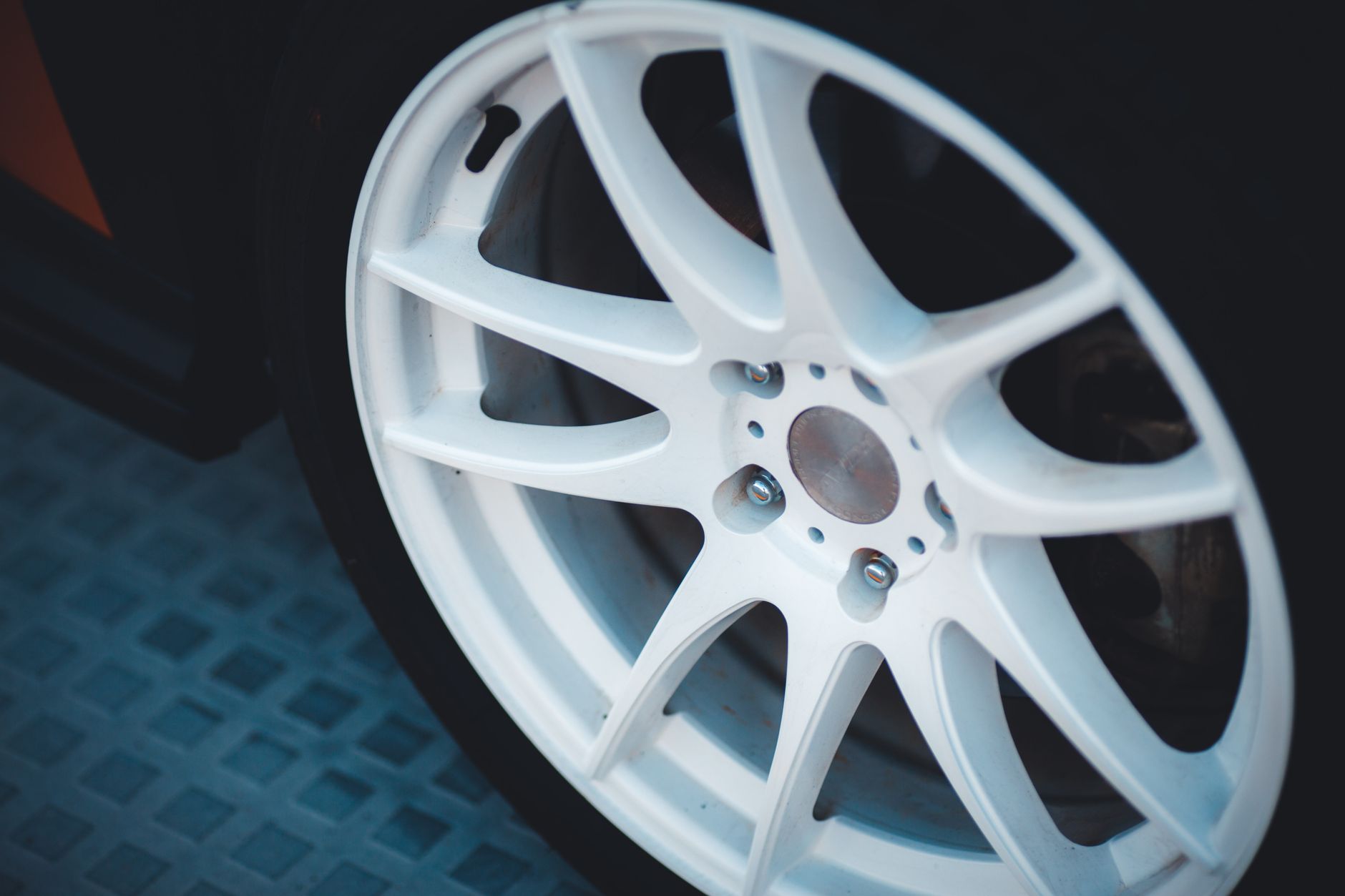
The Best Way to Clean Brake Dust Off Alloy Wheels: Safe, Effective Removal vs Alternatives creates a critical decision for vehicle owners, pitting pH-balanced chemical cleaners against traditional mechanical scrubbing methods.
Maintaining alloy wheels is essential for both performance and aesthetics. While some owners prefer the immediate gratification of aggressive, acid-based cleaners, others prioritize long-term finish integrity through gentle, pH-neutral techniques and specialized tools. Understanding the trade-offs between chemical solutions and mechanical friction is vital for any car enthusiast.
This guide provides an analytical look at these two approaches. By the end of this comparison, you will be able to determine which cleaning method aligns with your wheel material, driving habits, and maintenance tolerance.
- Chemical cleaners vs. mechanical scrubbing impact.
- Risk of surface etching and finish degradation.
- Efficiency and time-investment requirements.
- Long-term impact on protective wheel sealants.
- Best practices for preserving alloy wheel longevity.
Overview & Head-to-Head Summary

The Chemical Removal Approach
Chemical removal involves applying dedicated brake dust cleaners, often iron-decontamination sprays, to break down metallic bonds. This method is highly effective for heavy build-up but requires strict adherence to dwell times to avoid damage.
The Mechanical Scrubbing Approach
Mechanical scrubbing relies on brushes, mitts, and mild soaps. This approach is generally safer for delicate finishes like polished or diamond-cut alloys but requires more physical effort to remove stubborn, baked-on brake debris.
| Feature | Chemical Removal | Mechanical Scrubbing |
|---|---|---|
| Effort Level | Low | High |
| Speed | Fast | Slow |
| Risk to Finish | Moderate (if misused) | Low |
| Build-up Removal | High Efficiency | Moderate Efficiency |
Always verify the compatibility of your cleaning solution with your specific wheel finish. For more information on maintaining your rims, check our guide on 7 Common Problems with Alloy Wheels vs Normal Wheels.
Key Differences & Core Features

Surface Interaction and Chemical Safety
Chemical cleaners act by dissolving the oxidized iron particles that make up brake dust. While efficient, these cleaners can be highly acidic or alkaline. In contrast, mechanical methods use soft-bristled brushes to physically displace particles without altering the chemical composition of the wheel's protective clear coat.
Tool Requirements and Maintenance
Chemical removal requires consistent ventilation and protective gear, whereas mechanical cleaning requires high-quality, non-scratch brushes. Proper tool selection is paramount; see our Best Alloy Wheel Brushes Non Scratch guide for safe equipment choices.
| Attribute | Chemical Solutions | Mechanical Brushes |
|---|---|---|
| Residue Risk | High if not rinsed | Minimal |
| Equipment Needed | Sprayers/Gloves | Brushes/Mitt/Buckets |
| Finish Compatibility | Varies by chemistry | Universal |
Performance & Real-World Analysis

Evaluating Cleaning Consistency
Consistent cleaning performance depends on the frequency of your wash cycle. When brake dust is left to bake onto a hot wheel, it becomes a hardened, corrosive layer that often necessitates a hybrid approach combining chemical softening followed by light mechanical agitation.
Step-by-Step Performance Assessment
Modern hybrid maintenance—applying a pH-neutral cleaner to soften particles, followed by gentle brush agitation—is widely considered the most effective way to balance safety and cleanliness.
Best Use Cases & Ideal Scenarios

When Chemical Removal Makes More Sense
Chemical removal is ideal for heavily neglected wheels or vehicles with performance brake pads that produce high volumes of sticky, iron-rich dust. It is a time-saver for busy owners who keep their wheels sealed with ceramic coatings, as the chemicals lift contaminants without needing heavy abrasion.
When Mechanical Scrubbing Makes More Sense
Mechanical scrubbing is the best choice for matte, satin, or polished alloy finishes that are sensitive to chemical reactions. It is also the preferred method for weekly maintenance where dust buildup is minimal and can be easily removed with car shampoo and a soft mitt.
When It Genuinely Doesn't Matter
If your alloy wheels are powder-coated or have a very durable factory finish and you drive standard street miles, either method will perform adequately as long as you use high-quality products and rinse thoroughly.
Final Verdict & Decision Framework

Quick Decision Checklist
Use chemical cleaners if you have heavy build-up and a protected finish. Use mechanical tools if you have sensitive finishes or prefer to minimize chemical exposure. If you want the safest results, adopt a dual-process routine.
Our Framework for Choosing
| Your Priority | Recommended Approach |
|---|---|
| Speed/Convenience | Chemical Removal |
| Finish Longevity | Mechanical Scrubbing |
| Heavy Build-up | Hybrid (Chemical + Mechanical) |
Frequently Asked Questions
Can I use kitchen dish soap on alloy wheels?
A: While it removes grease, it can strip away protective waxes and sealants. It is better to use dedicated wheel or car shampoo.
How often should I clean my wheels?
A: Weekly cleaning is recommended to prevent brake dust from etching into the finish. Frequent light cleaning is safer than infrequent heavy cleaning.
Is iron remover safe for all wheels?
A: Not all iron removers are safe for every finish; check the label for aluminum compatibility. Always test in a hidden area first.
Do I need a different brush for the barrels?
A: Yes, using a long-reach wheel brush for the inner barrels and a mitt for the wheel face is the standard professional approach.
Can I use acidic wheel cleaners?
A: Avoid highly acidic cleaners unless absolutely necessary for baked-on grime. They can lead to permanent surface staining and corrosion over time.
Does wax help with brake dust?
A: Yes, applying a high-quality wheel wax or sealant creates a sacrificial barrier. This makes subsequent cleanings significantly easier.
Should the wheels be cool before cleaning?
A: Always wait for the wheels to be cool to the touch. Cleaning hot wheels can cause chemicals to flash-dry, potentially staining the finish.
Are touchless washes safe for alloys?
A: Many touchless washes use high-pH soaps that may be too aggressive for polished alloy wheels. Frequent use can dull the finish.
Key Takeaways
- 1 Chemical removal is faster but carries a higher risk of chemical etching.
- 2 Mechanical scrubbing is the safest approach for delicate wheel finishes.
- 3 Hybrid maintenance often delivers the best balance of safety and efficiency.
- 4 Regular cleaning prevents the long-term corrosion caused by metallic brake dust.
- 5 Always test cleaning products on an inconspicuous area first.
- 6 Protective sealants significantly reduce the amount of scrubbing required.
- 7 Avoid cleaning hot wheels to prevent drying and permanent spotting.
Conclusion
Choosing between chemical removal and mechanical scrubbing isn't about finding a superior method, but rather selecting the right tool for your wheel's condition. While chemical cleaners offer unmatched speed for stubborn build-up, mechanical techniques provide the consistency required to keep premium finishes looking new for years.
By assessing your wheel finish and maintaining a regular cleaning schedule, you can minimize the risks associated with both methods. For more specialized advice on maintaining your wheels, consider our Best Repair Curb Rash On Alloy Wheel Rim Kit guide.
Consistent, gentle maintenance remains the most effective strategy for preserving your alloy wheels against the inevitable accumulation of brake dust.
📌 Pillar Resource: Read our complete complete Best Way to Clean Brake Dust Off Alloy Wheels: Safe, Effective Removal review for in-depth insights.