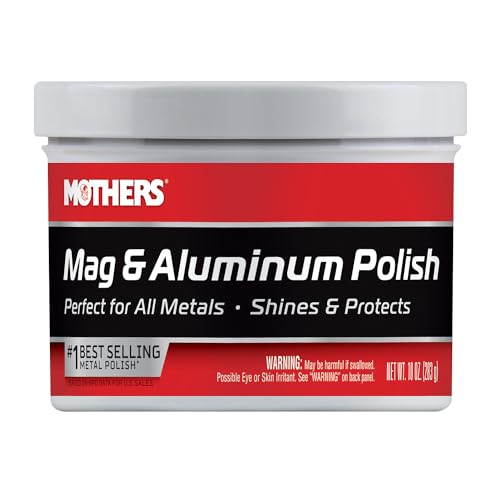
Are your alloy wheels looking dull or caked with brake dust? It’s a common problem. Brake particles, road grime, and old polish build up fast. Many people worry about harsh chemicals or scrubbing too hard and damaging the wheel finish.
This guide will solve that. Below we review the best cleaners and tools for chrome, aluminum, and clear-coated alloys. You’ll get quick tips for safe cleaning and a comparison table to pick the right product for your needs.
| Product Image | Product Name | Best For | Check Price |
|---|---|---|---|
 | Meguiar's Hot Rims Chrome Spray Cleaner | For Chrome Wheels | Check Price |
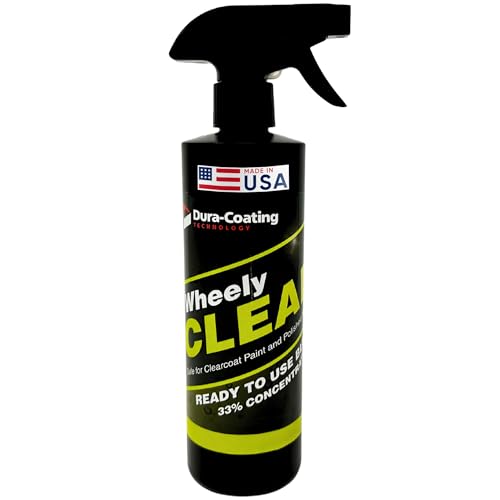 | Wheely Clean Pro Wheel Cleaner Spray | Professional Brake Dust | Check Price |
 | oesee Complete Wheel Brush Cleaning Kit | Cleaning Tight Spots | Check Price |
Meguiar's Hot Rims Chrome Spray Cleaner
Perfect for car owners who want a quick, effective way to clean and brighten chrome or polished alloy wheels between deep details.
Meguiar’s Hot Rims uses a spray-on, wipe-off formula that removes light dirt, road grime, and oily residue without heavy scrubbing. For example, a few sprays and a microfiber towel can lift brake dust from a spoke edge, saving time compared with a brush-and-soap routine.
It’s non-abrasive and leaves a noticeable shine, making it a great maintenance product to keep wheels looking fresh. While it won’t replace a professional restoration for pitted or heavily corroded metal, its fast action and pleasant application make it a reliable choice for regular upkeep and weekend touch-ups.
Pros:
- 👍 Fast spray-and-wipe action for quick maintenance
- 👍 Non-abrasive formula that preserves finish
- 👍 Restores visible shine with minimal effort
- 👍 Good for spot cleaning between full washes
Cons:
- 👎 Not suited for heavy corrosion or deep pitting
- 👎 May require repeat use to maintain long-term shine
Wheely Clean Pro Wheel Cleaner Spray
Perfect for car owners who want a fast, safe way to remove everyday brake dust and road grime from alloy wheels.
The Wheely Clean Pro uses a pH-balanced, fast-acting formula and an adjustable spray nozzle to make cleaning simple. Spray the wheel, wait a few minutes, then rinse — stubborn brake dust and light tar lift without aggressive scrubbing. For example, aftermarket wheels with light baked-on dust come away with one quick pass.
It also stands out for its user-friendly design and reliable packaging. The spray bottle is sturdy and delivers even coverage, and the cleaner rinses clean without leaving a film or staining clear coat. For regular maintenance and quick weekend touch-ups, it’s a solid, low-fuss choice that keeps alloys looking fresh.
Pros:
- 👍 Effectively loosens brake dust and road grime with minimal scrubbing.
- 👍 pH-balanced formula is safe for most alloy finishes and clear coats.
- 👍 Adjustable spray nozzle gives good coverage and control on spokes and barrels.
- 👍 Rinses clean and leaves no greasy residue, making drying easier.
Cons:
- 👎 Slightly pricier than basic cleaners, though performance offsets cost for regular users.
- 👎 Not a replacement for wheel-off deep restoration on heavily corroded rims.
- 👎 Best used with gloves; mild fumes may bother sensitive users.
oesee Complete Wheel Brush Cleaning Kit
This kit is perfect for DIY car owners who want an all-in-one, easy solution to deep-clean alloy wheels without visiting a detailer.
It includes a selection of brush heads with soft, non-scratch bristles and a long-reach brush for barrels and spokes, which makes removing baked-on brake dust simple — for example, the thin spoke brush slips between tight spokes to lift grime without rubbing at the paint.
Handles feel sturdy and the brushes rinse clean quickly, so they last through many jobs; packaged pieces nest neatly for storage. Overall, the kit balances gentle materials with effective scrubbing, making it a strong choice for regular wheel maintenance.
Pros:
- 👍 Versatile assortment of brush shapes for spokes, barrels, and lug areas.
- 👍 Soft, non-abrasive bristles that protect clear coats.
- 👍 Long-reach brushes save time on deep barrels and hard-to-reach spots.
Cons:
- 👎 No dedicated storage case included — pieces can be loose in a garage bin.
- 👎 Brushes require occasional replacement after heavy seasonal use.
Buyer’s Guide: 3 Key Factors to Consider
Effectiveness and Surface Safety
Choose products that remove iron fallout and brake dust without damaging your wheel finish. Look for pH-balanced or labeled “safe for alloy” if you have clearcoat, painted, or powder‑coated wheels. Actionable tip: pick an iron‑remover for heavy contamination and a gentle cleaner for routine washes.
Ease of Use and Tools Required
Consider the application method (spray, gel, foam) and whether the kit includes brushes, mitts, or applicators. Gel and foams cling better on vertical surfaces; sprays are fast for light cleaning. Actionable tip: buy at least one soft-bristled wheel brush, a lug‑nut brush, and a microfiber towel for drying.
Price vs. Long‑Term Value
Cheaper cleaners can work but may require more elbow grease or quick reapplication. Higher‑quality products and a good sealant protect longer and reduce washing frequency. Actionable tip: budget for a quality cleaner plus a wheel sealant — you’ll save time and reduce corrosion over the year.
Frequently Asked Questions
Q1: How often should I thoroughly clean alloy wheels?
A1: Generally every 2–4 weeks depending on driving conditions. High braking, salted roads, or track use means more frequent cleaning — aim for weekly in harsh conditions.
Q2: Can I use an acid-based cleaner on all alloy wheels?
A2: No. Strong acidic cleaners can etch or strip clearcoat and damage some finishes. Use them only on uncoated, heavily contaminated wheels and follow with full neutralization and rinsing. For most wheels, a pH‑neutral iron remover is safer.
Q3: Will a pressure washer damage my wheels?
A3: No, when used correctly. Keep the nozzle 12–18 inches away and avoid blasting paint edges or sealants. Use a wide fan setting and low to medium pressure for safe, effective rinsing.
Q4: How do I remove stubborn brake dust and iron particles?
A4: Use an iron‑removing cleaner (chelator) that changes color as it dissolves fallout, let it dwell per instructions, agitate with a soft brush, then rinse. Repeat only if necessary; don’t scrub aggressively with abrasive tools.
Q5: Are wheel sealants or ceramic coatings worth it?
A5: Yes, they reduce cleaning frequency and make maintenance easier by repelling brake dust and grime. Sealants are cheaper and easier to reapply; ceramic coatings last longer but require proper prep and more skill to install.
Q6: What brushes and accessories should I own?
A6: At minimum: a soft wheel brush for spokes, a narrow brush for lug nuts, a long-handled brush for barrels, a dedicated wash mitt, and microfiber towels. Optional: a wheel cleaning mitt and a clay bar for surface contaminants.
Final Verdict: Which One Should You Buy?
For most drivers a two‑product approach is best: a pH‑neutral iron‑removing wheel cleaner plus a durable wheel sealant. This combo safely dissolves brake dust and locks in protection, making routine maintenance quick. Choose gel or foam formulas if you want dwell time, and opt for ceramic sealants if you want longer lasting protection and don’t mind the extra prep.