This comprehensive guide, Alloy Wheel Repair Training: Your Ultimate Guide to Becoming a Pro, breaks down everything you need to know about alloy wheel repair training. We will cover the core skills you’ll learn, the different types of courses available, how to choose the right provider, and what it takes to turn your training into a thriving career.

What Skills Are Taught in Alloy Wheel Repair Courses?
Professional training goes far beyond simply spraying a bit of paint on a scuff. A comprehensive course will equip you with a wide range of skills to handle various types of wheel damage safely and effectively. The goal is to restore a wheel to its factory condition in terms of both appearance and structural integrity.
Damage Assessment
The first and most critical skill is learning to accurately assess a damaged wheel. Trainers will teach you how to identify the type and extent of the damage, distinguishing between cosmetic issues like kerb rash and serious structural problems like cracks, bends, or buckles that could compromise safety.
Cosmetic Repair (Kerb Rash & Scuffs)
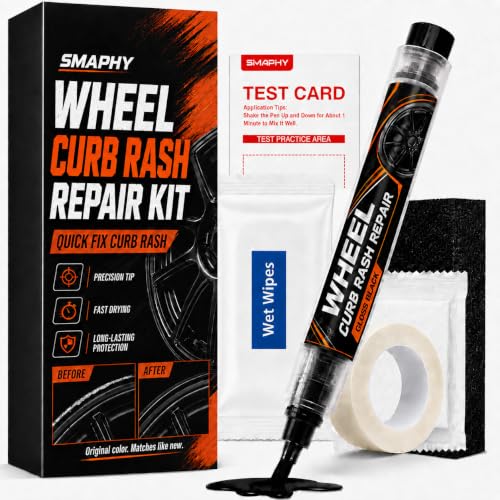
This is the bread and butter of most wheel repair businesses. You will learn the complete process for repairing surface damage, which includes:
- Preparation: Correctly cleaning, degreasing, and stripping the damaged area.
- Sanding & Filling: Using various grits of sandpaper and specialized metal fillers to smooth out gouges and scratches.
- Priming & Painting: Applying primer for proper adhesion and using professional paint systems to perfectly match the wheel’s original colour.
- Clear Coating: Applying a durable clear coat to protect the repair and match the factory finish (e.g., gloss, satin, or matte).

Structural Repair (Wheel Straightening & Welding)
This is an advanced skill set for tackling more severe damage. Training in this area is critical for safety.
- Wheel Straightening: Using a hydraulic wheel straightening machine to carefully apply pressure to correct bends and buckles without cracking the metal.
- TIG Welding: Learning to use Tungsten Inert Gas (TIG) welding to safely repair cracks. This requires precision to ensure the weld is strong and the wheel remains balanced and safe.
Diamond Cutting & CNC Machining
Diamond-cut wheels have a shiny, bare metal face that requires specialized equipment to repair. Training involves operating a CNC (Computer Numerical Control) wheel lathe that shaves a micro-thin layer off the wheel’s face to restore its unique two-tone finish.

Powder Coating & Custom Finishes
Powder coating provides an extremely durable and high-quality finish. Courses often cover the entire process: sandblasting the wheel to bare metal, applying the powder electrostatically, and curing it in a specialized oven. This is also the foundation for offering custom colour changes.
Choosing the Right Training Program
Not all training courses are created equal. Finding a high-quality provider is crucial for your success. Here’s what to look for when choosing where to get trained.
- Comprehensive Curriculum: Ensure the course covers all the key skills mentioned above, from basic cosmetic repairs to more advanced techniques. A good program should offer both theory and extensive hands-on practice.
- Experienced Instructors: Learn from technicians who have years of real-world experience in the wheel repair industry. They can offer invaluable insights and tips that you won’t find in a manual.
- Small Class Sizes: Smaller groups ensure you get personalized, one-on-one attention from the instructor, which is vital when learning hands-on techniques.
- Professional Equipment: The training facility should use modern, industry-standard equipment. This ensures you’re learning on the same type of machinery you’ll be using in your own business.
- After-Training Support: The best training providers offer ongoing technical support after you’ve completed the course. This can be a lifeline when you encounter a tricky repair for the first time on your own.

Pro Tips for Aspiring Technicians
Leverage our experience to get ahead. These tips will help you make the most of your training and set you up for a successful career in alloy wheel repair.
- Master the Fundamentals First: Don’t rush into complex jobs like crack welding or diamond cutting. Perfect your cosmetic repair process first. A flawless paint finish is what customers notice most and builds your reputation.
- Document Your Work: Take before-and-after photos of every wheel you repair. This builds a powerful portfolio to show potential customers and helps you track your progress and skill development.
- Never Stop Learning: The technology and techniques in wheel repair are always evolving. Stay connected with other professionals, watch videos, and consider taking advanced courses to keep your skills sharp and up-to-date.

Helpful FAQ Section
How much does alloy wheel repair training cost?
The cost varies significantly based on the provider and the depth of the course. A basic 1-2 day cosmetic repair course might cost a few hundred dollars/pounds, while a comprehensive 5-day course covering advanced skills like welding and diamond cutting can range from $2,000 to $5,000+ (£1,500 to £4,000+). Often, these costs can be part of a larger equipment and business startup package.
Is alloy wheel repair a profitable business?
Yes, it can be very profitable. The overhead for mobile repair is relatively low, and the demand is consistently high. Scuffed and damaged wheels are a common problem for car owners. With the ability to charge anywhere from $75 to $200+ per wheel for cosmetic repairs, the profit margins are excellent once you are established.
Do I need to be a mechanic to learn alloy wheel repair?
No, you do not need a formal background as a mechanic. However, having good hand-eye coordination, a strong attention to detail, a patient demeanor, and a general mechanical aptitude are all extremely beneficial traits for a successful wheel technician.
What basic equipment is needed to start?
For a basic mobile cosmetic repair setup, you would typically need: a vehicle (van), a small air compressor, sanders (DA and detail sanders), a paint gun (HVLP), a heat lamp for curing, jacks and axle stands, and a stock of fillers, primers, paints, and clear coats.
Conclusion
Investing in professional alloy wheel repair training is the most important step towards building a successful career or business in this specialized trade. By focusing on a program that teaches comprehensive skills, from damage assessment to flawless finishing, you equip yourself with the knowledge and confidence to handle any job.
Remember to choose a provider that offers hands-on practice and ongoing support. With the right training, you can enter a lucrative field that rewards precision, skill, and an eye for detail, turning damaged wheels into pristine works of art.