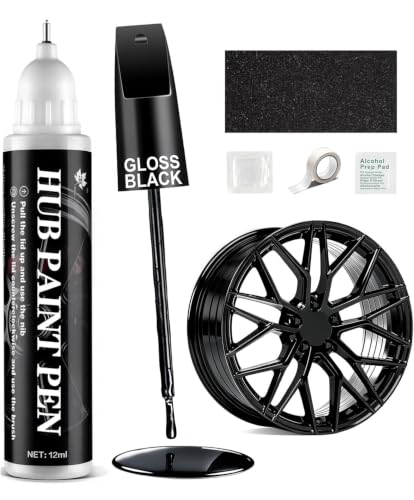
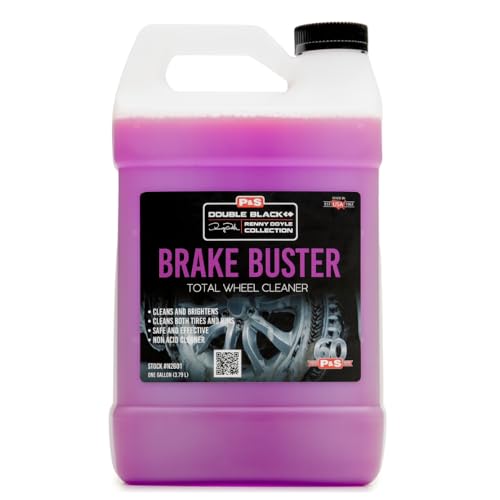
The disadvantages of alloy wheels often center on their vulnerability to cosmetic damage and structural impact compared to steel alternatives, making them a significant consideration for daily commuters. While alloy wheels offer superior weight-to-performance ratios and aesthetic versatility, understanding these drawbacks is crucial for long-term vehicle maintenance and safety.
This guide provides an evidence-aware overview of the structural, environmental, and financial trade-offs associated with alloy wheel ownership. By analyzing the material composition and typical wear patterns observed in current 2026 automotive standards, we explore why these wheels require specific care regimens. Our approach balances technical reality with practical advice, ensuring you can manage these limitations effectively through proactive maintenance and informed driving habits.
Quick Facts
- Studies suggest alloy wheels are generally more prone to bending or cracking under high-impact forces than steel counterparts.
- Experts recommend frequent inspection of finish surfaces to prevent salt-induced corrosion and oxidation.
- Replacement and repair costs for premium alloys are often significantly higher than standard wheel options.
Key Takeaways

- 1. Alloy wheels prioritize performance and aesthetics, which necessitates a more cautious approach to curb impact and environmental exposure.
- 2. The chemical sensitivity of alloy coatings makes consistent cleaning and sealing protocols vital to preventing long-term degradation.
- 3. Selecting wheels based on your specific road conditions is the best way to mitigate the inherent disadvantages of alloy wheels.
- 4. Ignoring minor surface scratches can lead to accelerated oxidation, ultimately compromising the structural integrity of the wheel hub over time.
Historical context or industry trends of disadvantages of alloy wheels
Historically, the shift from stamped steel to aluminum alloy wheels was driven primarily by the pursuit of unsprung weight reduction. Early iterations were luxury-oriented, and the inherent disadvantages of alloy wheels—specifically regarding their brittleness compared to ductile steel—were largely overshadowed by the performance gains in handling and braking. For decades, consumers viewed these wheels as high-maintenance, fragile components, often restricting them to performance vehicles or fair-weather usage scenarios.
In modern trends, advancements in manufacturing, such as flow-forming and forging, have narrowed the durability gap, yet environmental sensitivity remains a persistent challenge. Today's industry focuses on advanced powder coating and clear-coat technologies to combat oxidation. As vehicles become heavier with the integration of complex electronic systems and battery packs, the disadvantages of alloy wheels are being re-evaluated through the lens of structural load-bearing capacity, forcing a move toward more robust, reinforced alloy matrices.
Technical analysis of disadvantages of alloy wheels mechanisms
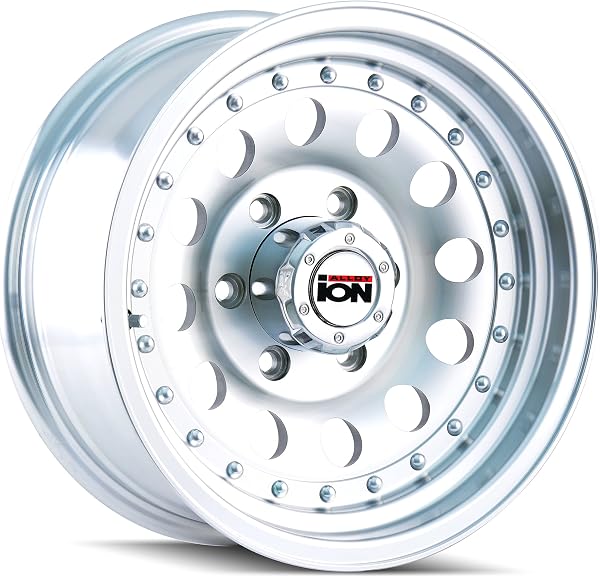
The primary technical challenges arise from the metallic composition, which is susceptible to galvanic corrosion and mechanical deformation. Correct maintenance revolves around managing surface integrity and monitoring for micro-fractures. Inadequate sealing during the initial installation phase often exposes the alloy to road salts and moisture, leading to faster degradation of the finish and potential structural porosity issues.
| Feature | Best Practice | Common Mistake |
|---|---|---|
| Timing of Application | Periodic sealing with protective barriers | Neglecting barrier protection against brake dust |
| Absorption/Absorption Method | Gentle cleaning and pH-neutral solutions | Using acidic cleaners that strip factory coatings |
| Role in Routine | Regular visual inspection for hairline cracks | Ignoring small chips until oxidation spreads |
Following these best practices ensures the longevity of the wheel's protective layers. Common mistakes, such as aggressive scrubbing or chemical misuse, facilitate the rapid onset of oxidation. When the protective barrier is breached, the underlying alloy is exposed, creating a cycle of corrosion that is increasingly difficult to reverse, eventually impacting the wheel's ability to hold an airtight bead for the tire.
Step 1: Workspace and Initial Preparation
Begin by ensuring the wheel surface is completely cool. Using a pH-neutral cleaner, remove all surface debris and brake dust. Avoid using abrasive tools that could mar the factory finish, as these micro-scratches serve as entry points for moisture and environmental contaminants.
Step 2: Core Execution and Configuration
Apply a high-quality wheel sealant or wax specifically formulated for alloy surfaces. Ensure even application across the barrel and spokes. This layer acts as a sacrificial barrier, preventing brake dust from bonding directly to the alloy surface and reducing the likelihood of chemical staining.
Step 3: Final Calibration and Stabilization
After curing, buff the surface gently to create a smooth, hydrophobic finish. Perform a visual check of the tire beads to ensure no oxidation is preventing an airtight seal. Establish a monthly maintenance schedule to re-apply the sealant, especially during winter months when road salt levels are elevated.
Current landscape or user debate of disadvantages of alloy wheels

The current market is divided between those prioritizing high-performance lightweight alloys and those who prefer the durability of modern reinforced steel or carbon-hybrid alternatives. Consumers are increasingly wary of the maintenance requirements associated with intricate spoke designs, which are notoriously difficult to clean and prone to hidden damage.
- Consumers increasingly demand matte finishes, which are often more difficult to clean and repair than gloss counterparts.
- Longevity expectations have shifted; users now expect wheels to survive aggressive road debris without compromising aesthetic quality.
- Professional-grade ceramic coatings have become a standard solution to mitigate the disadvantages of alloy wheels by providing a hardened shield.
- There is a growing trend toward sustainable recycling, as damaged alloy wheels are highly recyclable compared to composite materials.
| User Segment | Preferred Configuration | Expected Outcome |
|---|---|---|
| Professional / Heavy Use | Forged alloys with high-durability coatings | Optimal weight and strength under high pressure |
| Standard / Daily Use | Cast alloys with protective ceramic layers | Aesthetic balance with manageable maintenance |
The debate continues regarding whether the aesthetic advantages outweigh the mechanical maintenance burden. While purists argue that the handling benefits are irreplaceable, critics point to the frequency of rim straightening and refinishing as a significant, recurring cost that often negates the initial investment value over time.
Operational challenges and limitations of disadvantages of alloy wheels
The operational challenges are centered on physical durability and chemical susceptibility. Alloy wheels lack the ductile nature of steel, making them prone to structural compromise—specifically cracks—upon impact with potholes or curbs. Furthermore, the chemical reaction between brake dust and the alloy surface can cause permanent pitting if not cleaned at regular intervals.
Future outlook and scenario projection for disadvantages of alloy wheels
Looking forward, the integration of smart materials and advanced chemical bonding is expected to significantly reduce the disadvantages of alloy wheels. Future designs will likely incorporate self-healing coatings that can bridge micro-scratches, preventing oxidation before it reaches the metallic substrate. As structural engineering improves, we expect to see alloy matrices that are both lighter and significantly more resistant to impact deformation, effectively blurring the lines between race-grade performance and street-ready durability.
| Timeline | Expected Breakthrough | Impact on User Experience |
|---|---|---|
| Next 2-3 Years | Nanotechnology-based ceramic sealants | Easier cleaning and improved chemical resistance |
| Next 5-10 Years | Bio-composite alloy hybrids | Higher impact threshold and reduced weight |
Practical applications of disadvantages of alloy wheels in daily routines
Incorporating alloy wheels into your daily routine requires an adaptive strategy. Rather than treating them as "set and forget" components, they should be managed according to environmental conditions and your driving style. Whether you are an everyday commuter or a performance enthusiast, adapting your maintenance routine to address these limitations will extend the lifespan of your wheels significantly.
Use Case 1: Individual and Residential Use
For the average commuter, the focus should be on simple, consistent hygiene. Regular, bi-weekly washes using a mild, non-acidic soap prevent brake dust from becoming permanently etched into the clear coat. Keeping tire pressures accurately monitored also protects the wheel rims from bottoming out on road imperfections.
Use Case 2: Professional and Commercial Use
Professional environments require strict adherence to inspection schedules. Fleet vehicles using alloy wheels should be checked for rim run-out and structural integrity during every tire rotation. Using high-output, industrial-grade protective coatings ensures that wheels remain in service longer despite higher daily mileage.
Use Case 3: Advanced Optimization Solutions
For enthusiasts, combining professional ceramic coatings with specialized wheel-safe waxes creates a multi-layered defense. This approach not only enhances the aesthetic finish but also provides a slick surface that repels debris, making the wheels easier to clean and resistant to long-term chemical wear.
Expert perspectives on disadvantages of alloy wheels
Industry experts emphasize that the success of alloy wheel ownership is heavily dependent on a proactive, systematic approach. The consensus is that while the inherent disadvantages of alloy wheels are real, they are almost entirely manageable with the correct application of protective products and a consistent inspection regime. The key is to avoid neglect, as oxidation and structural fatigue compound rapidly once the initial surface protection is lost.
Frequently Asked Questions
Why are alloy wheels more susceptible to structural damage than steel wheels?
Alloy wheels are typically made from softer aluminum or magnesium mixtures, making them more prone to cracking or bending upon high-impact contact with potholes or curbs.
Do alloy wheels corrode faster when exposed to road salt?
Alloy wheels are highly susceptible to oxidation and 'curb rash' corrosion when their protective clear coat is breached, especially in regions where road salts are used during winter.
How does the weight of alloy wheels impact fuel efficiency and performance?
While often marketed as lightweight, many aftermarket alloy wheels are heavier than OEM steel wheels, which can increase unsprung weight and negatively impact fuel economy and suspension performance.
Is the installation cost for alloy wheels higher?
Installing alloy wheels often requires specialized wheel bolts and hub-centric rings to ensure a perfect fit, adding complexity and labor costs compared to standard steel wheel mounting.
What is the best way to get started with disadvantages of alloy wheels?
The most effective starting point is to begin with a foundational assessment of your needs, then follow the recommended daily protocol.
How long does it take to see results with disadvantages of alloy wheels?
Most users report noticeable improvement within the first 2–4 weeks of consistent daily application.
Is disadvantages of alloy wheels suitable for beginners or experienced users?
disadvantages of alloy wheels is designed to accommodate a wide range of experience levels, from complete beginners to advanced users.
Can disadvantages of alloy wheels be combined with other approaches?
Yes, disadvantages of alloy wheels is generally compatible with complementary strategies. It is advisable to introduce any combination gradually.