Got brake dust and stubborn grime ruining your wheels' shine? You're not alone. Many wheel cleaners either don't cut through baked-on brake dust or are too harsh for delicate aluminum and coated finishes. That leaves car owners stuck scrubbing or risking damage.
This guide reviews the best aluminum alloy wheel cleaners available — from foaming sprays to thick gels and gallon concentrates. We'll highlight what each product does best so you can choose a safe, effective cleaner for your rims and get them looking like new with less effort.
| Product Image | Product Name | Best For | Check Price |
|---|---|---|---|
 | Meguiar's Hot Rims Aluminum Cleaner | Polished & Anodized Wheels | Check Price |
 | CarGuys All-Purpose Wheel Cleaner Spray | Alloy, Chrome, Whitewalls | Check Price |
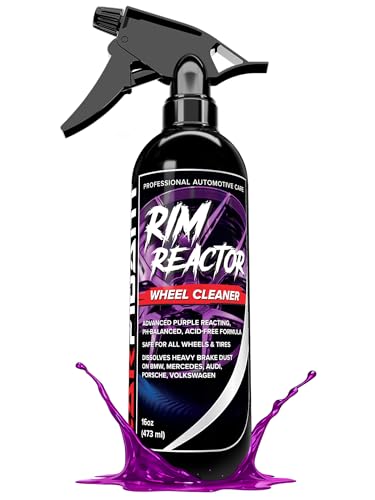 | Carfidant Rim Reactor Gel Cleaner | Thick Gel Formula | Check Price |
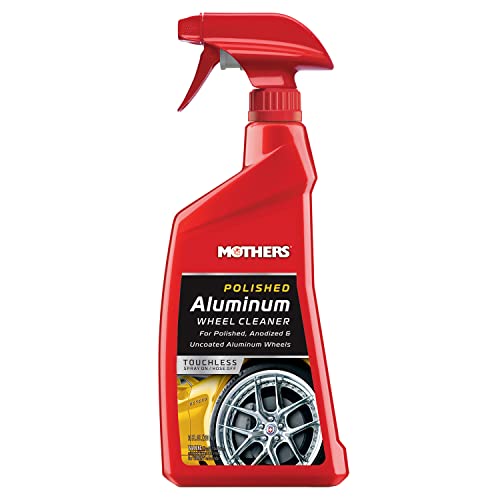 | Mothers Polished Aluminum Wheel Cleaner | Polished Aluminum | Check Price |
 | Suds Lab XA Zero-Acid Cleaner | Bulk Zero-Acid Cleaner | Check Price |
 | LANE'S Aluminum Wheel Brightener Spray | Aluminum Brightener | Check Price |
 | Quality Chemical Aluminum Restorer Combo | Professional Gallon Restorer | Check Price |
 | Rim Reactor Concentrated Gallon Cleaner | Gallon Concentrate | Check Price |
Meguiar's Hot Rims Aluminum Cleaner
Perfect for DIY car owners and weekend detailers who want a fast, effective aluminum wheel brightener.
Meguiar's Hot Rims lives up to that promise with strong cleaning and brightening performance that tackles oxidation and brake dust without hours of scrubbing. In practice, you apply, let it dwell briefly, agitate with a brush, and rinse to reveal noticeably brighter metal—handy when prepping wheels for photos or a show weekend.
It also rinses clean and pairs well with a follow-up protectant, so the renewed look lasts longer. The formula gives pro-level results without specialty tools, making it a solid, budget-friendly pick for regular maintenance or seasonal restorations.
Pros:
- Powerful oxidation and brake-dust removal for quick visual improvement
- Fast-working formula that reduces scrubbing time
- Good value for the results—suitable for regular maintenance
- Rinses clean and pairs well with sealants or wax
Cons:
- Strong chemical odor; gloves and eye protection recommended
- May require mechanical polishing for severely pitted aluminum
- Can be harsh on unsealed or painted surfaces if left too long
CarGuys All-Purpose Wheel Cleaner Spray
Perfect for drivers who want a fast, everyday wheel cleaner that removes brake dust and light grime without a lot of fuss.
The CarGuys spray is an all-purpose formula delivered in an easy trigger bottle, so you can cover spokes and inner barrels quickly. It lifts common brake dust fast, making a quick spray-and-wipe enough for a weekly clean. For example, a commuter car with a week’s worth of city grime comes up with just a spray, short dwell, and a microfiber wipe.
Packaging and ease of use are standout points — the trigger is comfortable and the spray pattern is consistent, which cuts cleaning time. It’s gentle enough for routine use on aluminum alloys when used as directed, so you can clean regularly without worrying about aggressive acids. Overall, it’s a solid pick for anyone who values convenience and reliable everyday performance.
Pros:
- Fast-acting spray that simplifies routine cleaning
- Easy spray-and-wipe application saves time
- Comfortable trigger and consistent spray pattern
- Gentle enough for regular use on alloy wheels
Cons:
- May need light agitation for very baked-on grime
- Not a one-step solution for heavily corroded wheels
Carfidant Rim Reactor Gel Cleaner
Perfect for DIY car enthusiasts and weekend detailers who want a no-fuss cleaner that tackles brake dust and iron fallout on alloy wheels.
Rim Reactor uses a thick, gel-like formula that clings to spokes and barrels instead of running off. It reacts with iron contaminants and changes color so you can see the cleaner working. For example, a single application to tight lug-nut areas lifts embedded brake dust without constant re-spraying, cutting hands-on time.
The spray-gel packaging makes application neat and controlled. It rinses away cleanly and usually needs only light agitation for stubborn spots. Overall, Rim Reactor is a practical pick when you want visible results, easy use, and a product that fits into a regular weekend maintenance routine.
Pros:
- Gel formula clings to vertical surfaces for longer contact time
- Color-changing reaction gives clear feedback that it’s working
- Effective at loosening brake dust and iron particles
- Neat spray packaging for precise application
Cons:
- Very heavy or baked-on grime may need extra scrubbing
- Not a single-step solution for neglected wheels
- Some users prefer a fully pH-neutral option for sensitive finishes
Mothers Polished Aluminum Wheel Cleaner
Perfect for DIY car owners and enthusiasts with polished aluminum wheels who want a safe, fast way to remove brake dust and restore shine in minutes.
The cleaner uses a non-acidic, aluminum-safe formula that lifts brake dust and road grime without etching the metal. In practice you spray it on, let it dwell briefly, agitate with a soft brush if needed, and rinse—saving time and reducing heavy scrubbing compared with harsh cleaners.
It also leaves a bright, streak-free finish and is easy to rinse off, so wheels look showroom-fresh. The trigger bottle is convenient for spot treatments and touch-ups, making this a practical, cost-effective choice for maintaining polished aluminum between deeper polishes.
Pros:
- Aluminum-safe, non-acidic formula protects polished surfaces
- Effectively removes brake dust and light grime with minimal scrubbing
- Quick application and rinse for fast touch-ups
- Leaves a bright, streak-free finish
Cons:
- Not a substitute for heavy polishing on oxidized or pitted aluminum
- Stubborn, baked-on contamination may still require a brush or repeat application
Suds Lab XA Zero-Acid Cleaner
Perfect for car owners with aluminum alloy wheels who want a safe, non-acid cleaner that removes brake dust and grime without risking etching or discoloration.
Suds Lab XA’s zero-acid formula and high-foaming action tackle stuck-on brake dust and road film while staying gentle on finishes. In practice you can spray it on, let it dwell briefly, agitate with a soft brush, and rinse clean—leaving the pores free of contaminants without harsh chemical damage.
It also trends toward low odor and quick rinsing, so washes feel faster and more pleasant. That combination of safety and effective cleaning makes it a smart choice for regular maintenance and for anyone who prefers a less aggressive product that still gets wheels looking renewed.
Pros:
- Zero-acid, wheel-safe formula that protects aluminum and clear coats
- Strong foaming action lifts brake dust and road grime effectively
- Low odor and fast rinsing for more pleasant, quicker washes
- Gentle enough for frequent maintenance without harming finishes
Cons:
- May require light scrubbing on heavily baked-on deposits
- Not as aggressive as acid cleaners for extreme corrosion
- Slightly pricier than basic, no-frills wheel cleaners
LANE'S Aluminum Wheel Brightener Spray
LANE'S Aluminum Wheel Brightener Spray is perfect for car owners who want a fast, simple way to restore shine to aluminum and alloy wheels without a lot of elbow grease.
The spray-on formula clings to wheel surfaces and lifts brake dust and light grime quickly, so you spend less time scrubbing. For example, a quick mist and a short agitate with a soft brush will turn a dirty wheel noticeably brighter in minutes, cutting cleanup time on a typical set of wheels.
It also leaves a clean, bright finish that helps slow re-soiling between washes and is engineered to be gentle on factory clear coats when used as directed. Combined with its ease of use, that makes it a solid pick for routine maintenance and weekend detailers looking for reliable results.
Pros:
- Quick spray-on action reduces scrubbing and detailing time
- Brightens aluminum/alloy surfaces for an immediate visual lift
- Gentle on factory finishes when used as directed
- Helps slow re-soiling between washes
Cons:
- Not a replacement for heavy-duty oxidation or pitting restoration
- Very heavy brake dust may still require extra agitation
- May have a noticeable chemical odor during use
Quality Chemical Aluminum Restorer Combo
Perfect for DIY car owners who want an easy, effective way to restore dull or lightly oxidized aluminum alloy wheels at home.
The combo pairs a non-acidic cleaner with a restorative polish, so you clean and protect in one workflow. In practice that means the cleaner lifts brake dust and surface grime without harsh etching, and the restorer buffs out light oxidation to bring back a bright finish — for example, a neglected wheel can look noticeably newer after a quick scrub and polish session.
It also ships as a complete kit with applicators and simple instructions, which speeds up work and reduces guesswork. The protective layer left behind helps repel brake dust for several weeks, so upkeep is easier. Overall, it’s a practical, user-friendly option for keeping alloy wheels looking cared for between deeper refurb jobs.
Pros:
- Effective at removing surface grime and light oxidation without harsh acids
- Combo kit means cleaner and restorer in one purchase for convenience
- Includes applicators and clear instructions — good for beginners
- Leaves a protective finish that helps reduce re-soiling
Cons:
- Requires some elbow grease on heavily pitted or severely corroded wheels
- Not a substitute for full professional refurbishing of badly damaged rims
- Needs thorough rinsing to avoid residue if overapplied
Rim Reactor Concentrated Gallon Cleaner
Perfect for DIY car owners and detailers who want a cost-effective, heavy-duty cleaner they can dilute to suit each job.
The Rim Reactor concentrated gallon formula stands out for its dilutability and fast acting cleaning power. You can mix a mild ratio for weekly maintenance or a stronger mix for baked-on brake dust, which makes it easy to switch between quick touch-ups and deep cleans. For example, a light 10:1 dilution will lift everyday grime with little scrubbing, while a stronger blend tackles stubborn deposits.
Another big plus is the gallon packaging — it’s economical and lasts through many cleanings, cutting per-use cost. It works well with a pump sprayer and rinses clean, reducing elbow grease. If you want value, flexibility, and reliable results on alloy wheels, this concentrate is a smart choice.
Pros:
- Highly concentrated — economical long-term use
- Adjustable strength for maintenance or heavy-duty cleaning
- Effective at loosening brake dust and road grime
- Compatible with common sprayers and rinses clean
Cons:
- Requires measuring and dilution before use
- May need a brush for extremely baked-on deposits
- Gallon container can be bulky to store
Buyer's Guide: Key Factors to Consider
pH & cleaning chemistry
Choose between pH-neutral, alkaline, or acidic cleaners based on how dirty your wheels are and their finish. pH-neutral, iron‑removing formulas are safest for regular use and coatings; acidic or strong alkaline products remove baked-on brake dust faster but require extra care—short dwell time, rinse immediately, and spot-test first.
Finish compatibility & coatings
Know your wheel finish (clear‑coat, powder‑coat, anodized, painted, or ceramic-coated). If wheels are ceramic- or clear‑coated, stick to pH-neutral or manufacturer‑recommended cleaners to avoid striping or etching. Always test in an inconspicuous area before full application.
Application method & tools
Match the cleaner to how you want to work: spray-on foams are best for quick, whole-wheel coverage; gels hold on vertical surfaces for stubborn grime. Use soft nylon brushes, wheel‑specific mitts, and a pressure washer or high-volume hose to rinse. Wear gloves and eye protection, and follow dilution and dwell-time instructions.
Frequently Asked Questions
Q1: Are acidic wheel cleaners safe for aluminum alloy wheels?
A1: Acidic cleaners are effective on heavy iron/bake, but they can damage clear coats, anodized surfaces, and some paints if overused or left to dry. Use them sparingly, follow dwell times, and rinse thoroughly—prefer a gentle iron-removing, pH-neutral product for regular maintenance.
Q2: Can I use wheel cleaner on ceramic-coated wheels?
A2: Yes—only use cleaners that explicitly state they are safe for ceramic coatings. pH-neutral, non-abrasive formulas preserve the coating; avoid strong acids or harsh degreasers that can degrade the ceramic layer.
Q3: How long should I let a wheel cleaner sit before rinsing?
A3: Follow the label. pH-neutral iron removers typically need 2–10 minutes; strong acidic cleaners often work in 30 seconds–3 minutes but must not dry. If in doubt, shorter dwell time and repeat application are safer than overexposure.
Q4: Will wheel cleaner damage TPMS sensors or brake parts?
A4: Most modern wheel cleaners won’t harm TPMS sensors or brake components when used as directed and rinsed thoroughly. Avoid soaking bearings or electrical connections and don’t spray concentrated chemicals into wheel hubs.
Q5: How often should I clean my alloy wheels?
A5: Clean regularly—every 1–2 weeks if you drive often or encounter heavy braking, salt, or road grime. Regular light cleaning prevents brake dust from baking on and reduces the need for harsh, frequent chemical use.
Q6: What’s the safest way to remove stubborn baked‑on brake dust?
A6: Start with an iron-removing, pH-neutral cleaner and soft agitation; use a gel or foaming product to increase contact time. For severely baked-on deposits, use a targeted heavy-duty cleaner briefly or seek professional detailing to avoid finish damage.
Final Verdict: Which One Should You Buy?
For most drivers, a pH-neutral iron‑removing wheel cleaner is the best overall choice—safe on coated and clear‑coated aluminum, effective on everyday brake dust, and gentle with regular use. Choose a stronger acid or heavy‑duty formula only for infrequent, severe contamination—and always test and rinse carefully. Match the product to your wheel finish and cleaning routine for the best results.