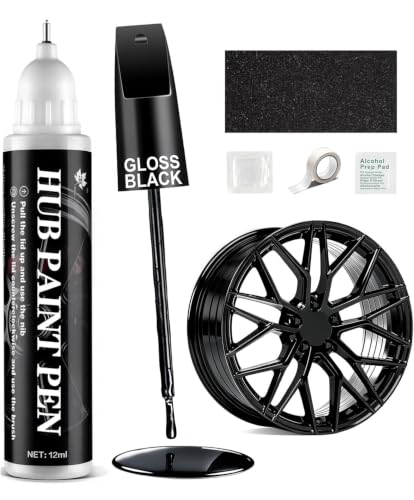
When looking to restore damaged wheels, the debate between the Best Alloy Wheel Repair Kit : Fix Curb Rash at Home (2026) vs Alternatives like professional powder coating or mobile rim repair services is a common crossroads for car owners.
While DIY kits offer immediate accessibility and cost-efficiency, professional alternatives prioritize longevity and material matching. Understanding the scope of your rim damage is critical to deciding whether a consumer-grade kit can handle the job or if your alloy wheels require industrial-grade intervention.
This guide breaks down the technical differences, performance expectations, and cost-benefit ratios of each method. By the end, you will be able to determine which approach best aligns with your budget, skill level, and desired aesthetic outcome.
- Cost Efficiency: Comparing upfront kit costs against professional service premiums.
- Skill Requirements: Assessing the learning curve of DIY filler and paint application.
- Durability: How factory finishes compare to home-repaired surfaces over time.
- Scope of Damage: When curb rash exceeds the repairable threshold of a standard kit.
- Time Investment: Evaluating the trade-off between same-day DIY and multi-day shop turnarounds.
Overview & Head-to-Head Summary
DIY Repair Kits: The Accessible Fix
DIY repair kits are designed for localized surface damage such as light curb rash or minor scratches. They typically include epoxy fillers, sanding blocks, and touch-up paint. They are ideal for enthusiasts who enjoy maintaining their own vehicle's appearance.
Professional Services: The Comprehensive Solution
Professional alternatives include specialized shops that offer CNC machining, powder coating, and structural straightening. These services address deep gouges and chemical oxidation that surface-level kits cannot resolve. You can learn more about specific maintenance concerns in our guide on how to remove oxidation and haze from gloss black alloy wheels.
| Feature | DIY Repair Kit | Professional Repair |
|---|---|---|
| Cost | Low ($30-$80) | High ($150+ per wheel) |
| Effort | High (Hands-on) | Minimal (Drop-off) |
| Durability | Moderate | High (Industrial) |
| Tooling | Basic Hand Tools | CNC/Industrial Ovens |
Tip: Always assess the depth of the curb rash; if you can catch a fingernail on the damage, it may be too deep for a simple consumer repair kit.
Key Differences & Core Features
Application Technology and Materials
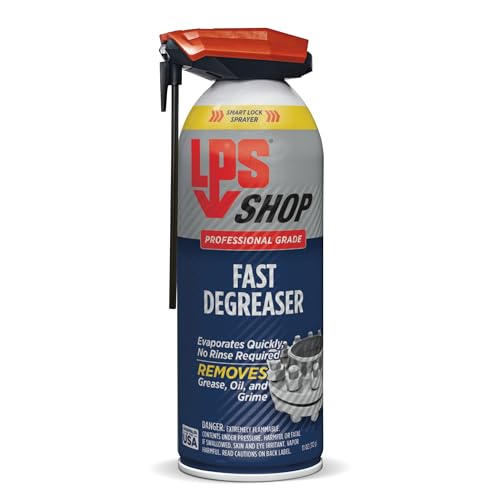
The primary difference lies in the bonding agent. DIY kits use cold-cure epoxies which are susceptible to weather and thermal cycling. Professionals use powder-coating systems that fuse finish to metal at high temperatures, ensuring a long-lasting bond. Before attempting a repair, ensure the wheel is properly prepped by checking for how to remove grease and asphalt from aluminum wheels.
Precision and Aesthetic Matching
DIY kits often struggle with factory color matching, especially on metallic or tinted clear-coat finishes. Professional shops use color-spectrometers to ensure an exact match to your factory hue, providing a seamless transition between the repaired area and the original paint.
| Feature | DIY Kit | Pro Service |
|---|---|---|
| Surface Prep | Manual Sanding | Media Blasting |
| Finish | Air-dry Paint | Powder/Clear Coat |
| Color Match | Generic/Limited | Custom Color-Matched |
| Structural Safety | Cosmetic Only | Safety Certified |
Performance & Real-World Analysis
Evaluating Long-Term Integrity
DIY fixes often degrade when exposed to harsh winter salts or intense heat from brake systems. Conversely, professional powder coating provides a barrier that effectively resists these elements for years.
Step-by-Step Performance Assessment
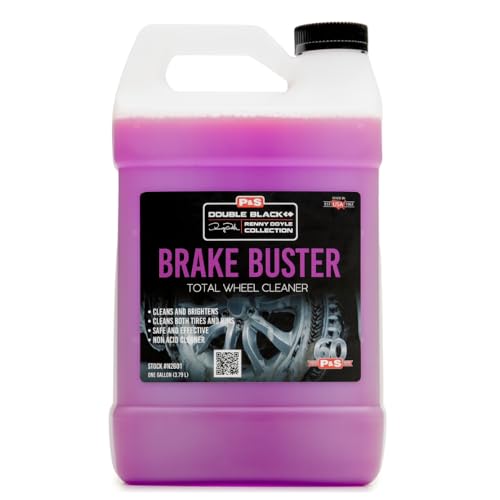
Successful repairs start with thorough cleaning; refer to our guide on wheel cleaner chemical composition comparison to ensure you are using a safe degreaser.
Best Use Cases & Ideal Scenarios
When Option A (DIY Kits) Makes More Sense
DIY kits are perfect for leased vehicles being returned with minor cosmetic blemishes, or for older vehicles where the cost of professional repair exceeds the value of the wheel.
When Option B (Professional) Makes More Sense
Professional repair is the superior choice for high-end rims, luxury vehicles, or any situation where color consistency and structural integrity are paramount.
When It Genuinely Doesn't Matter
For vehicles used exclusively for track days or off-roading where the wheels are likely to sustain fresh damage within a few months, high-end professional refinishing may be overkill.
Recommended Equipment & Solution

Amiss Gloss Black Rim Repair Kit, Wheel
A reliable pick for Amiss Gloss Black Rim Repair, selected based on this article's guidance.

Wheel Scratch Fix® Light Silver Rim Touch
A reliable pick for Wheel Scratch Fix® Light Silver, selected based on this article's guidance.
Final Verdict & Decision Framework
Quick Decision Checklist
If you value time and precision, choose a professional. If you value budget and learning the repair process, choose a high-quality kit. There is no universal "better" option, only the one that fits your specific mechanical comfort level.
Our Framework for Choosing
| Your Goal | Recommended Path |
|---|---|
| Fixing for Lease Turn-in | Professional (Quality assurance) |
| DIY Learning Project | DIY Kit (Practice) |
| Luxury Vehicle Preservation | Professional (Color matching) |
| Budget Cosmetic Fix | DIY Kit (Cost-effective) |
Frequently Asked Questions
Can I fix deep gouges with a DIY kit?
A: No, DIY kits are designed for surface-level cosmetic blemishes and are not meant to fill deep structural gouges in the metal.
Will a DIY kit ruin my rim finish?
A: If used improperly, such as over-sanding the clear coat, you can cause permanent discoloration that requires professional refinishing to fix.
Are there color-matched kits for every wheel?
A: Most kits offer universal silver or black, but they rarely match specific factory-applied tinted clears or metallic shades perfectly.
How long do DIY repairs last?
A: With careful application, a DIY repair can last several years, but it will generally fade faster than a factory-baked powder coat.
Is it better to leave small curb rash alone?
A: Small surface scratches are often best left alone if they aren't causing corrosion, as over-repairing can sometimes create more visible flaws.
Do I need to remove the tire for these repairs?
A: Most DIY kits allow you to mask off the tire, but professional services usually remove the tire to ensure full coverage of the rim edge.
Can I use these kits on chrome wheels?
A: Most standard alloy repair kits are not formulated for real chrome plating and will not provide an acceptable finish.
What is the most common mistake with DIY kits?
A: Rushing the sanding process and failing to clean the area with isopropyl alcohol before applying the filler are the most frequent causes of failure.
Key Takeaways
- 1 DIY kits are cost-effective for minor cosmetic curb rash.
- 2 Professional services provide long-term durability and factory-grade color matching.
- 3 Always check the depth of the damage before selecting your repair method.
- 4 Structural integrity takes precedence; avoid DIY for bent or cracked rims.
- 5 Surface preparation is the single most important factor for DIY success.
- 6 High-end finishes like diamond-cut require professional machinery.
- 7 The value of your vehicle should dictate whether you invest in pro services or DIY kits.
Conclusion
Choosing between a DIY repair kit and professional service comes down to balancing your budget against the complexity of the damage. While DIY options are excellent for learning and minor fixes, they cannot replicate the industrial durability of professional refinishing. Assess your needs carefully before committing to a process.
To further understand the long-term care of your wheels, consider reading our advice on is it possible to restore silver rims? A DIY Guide to Bringing Back the Shine.
Prioritize safety and take your time; a well-executed repair is a rewarding way to extend the lifespan of your vehicle's wheels.
📌 Pillar Resource: Read our complete complete Best Alloy Wheel Repair Kit : Fix Curb Rash at Home (2026) review for in-depth insights.