Selecting the right wheels for your vehicle is a critical decision that goes far beyond aesthetics; it is a fundamental choice impacting safety, performance, and your wallet. While alloy wheels often steal the spotlight for their sleek appearance, the rugged reliability of steel wheels remains the unsung hero for many drivers. This essential comparison cuts through the marketing to help you make an informed choice based on your actual driving demands, not just style.
The consequences of an incorrect choice are severe and costly. Weak wheels can bend or crack upon impact with a pothole or rock, leading to immediate tire failure and dangerous handling. Incorrect sizing causes tires to rub against wheel wells, damaging both components and creating a driving hazard. Perhaps most critically, a mismatch in load rating—especially for trucks, SUVs, or trailers—risks catastrophic structural failure under weight, turning a routine trip into a roadside emergency.
This guide provides the solution through a detailed, specification-focused comparison. We directly contrast the inherent strength, repairability, and cost-effectiveness of steel wheels against the weight savings and heat dissipation of alloys. By focusing on key metrics like load capacity, offset, and construction, we empower you to move beyond guesswork. Whether you require proven durability for off-road terrain and heavy utility or seek performance advantages for daily driving, you will find the precise data needed to match the perfect wheel to your vehicle and lifestyle.
| Product Image | Product Name | Best For | Check Price |
|---|---|---|---|
 | Pro Comp 97 Gloss | Trucks & SUVs | Prices |
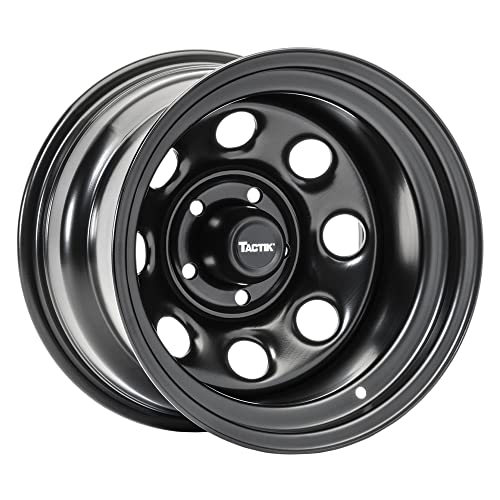 | TACTIK Circle 8 15" | Compact Trucks | Prices |
 | Pro Comp 97 Flat | Classic Off-Road | Prices |
| TACTIK Circle 8 17" | Modern Jeeps | Prices |
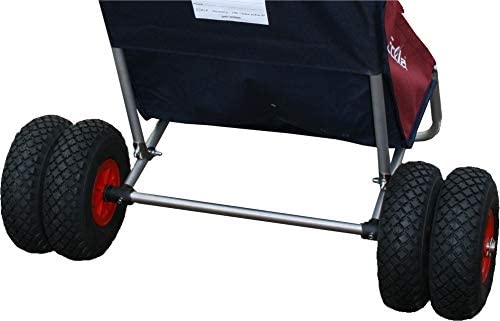
 | Free Country Trailer Assembly | Heavy-Duty Trailers | Prices |
Pro Comp Series: Rugged Weight Savings
Who is this for? This wheel series is ideal for off-road enthusiasts who want the durability of steel but with less unsprung weight. It's also a solid choice for daily-driven trucks and Jeeps where a balance of strength, style, and ride quality is important.
The Pro Comp Series alloy wheels are engineered from a high-grade aluminum alloy, which provides a significant weight reduction compared to traditional steel wheels. This lighter weight translates directly to improved vehicle handling, better braking response, and reduced strain on suspension components. The series often features optimized backspacing and a variety of modern finishes, allowing for proper tire fitment and a custom look without compromising function.
Build quality is focused on real-world toughness. The wheels undergo pressure casting and heat treatment for a dense, consistent grain structure, making them resistant to impact and fatigue. While they can handle rock crawling and trail abuse, they are not indestructible like a heavy-duty steel wheel and can be more susceptible to cosmetic damage from severe impacts.
Pros:
- Lighter than steel wheels, improving on-road manners and off-road articulation.
- Superior heat dissipation from the alloy material helps extend brake component life.
- Wide range of stylish designs and finishes for a personalized vehicle appearance.
Cons:
- Higher initial cost compared to basic steel wheels.
- Can bend or crack under extreme, focused impacts where a steel wheel might only dent.
TACTIK Circle 8: Lightweight Strength
Who is this for? This wheel is for the driver who wants the visual appeal and performance advantages of alloy wheels without a premium price. It's a solid choice for daily drivers, commuters, and enthusiasts looking to upgrade from standard steel wheels for a more responsive feel and modern look.
The TACTIK Circle 8 is a cast alloy wheel designed to offer a clear middle ground in the alloy vs steel debate. Its construction from aluminum alloy provides a significant weight reduction compared to a steel wheel of the same size. This lower unsprung weight translates directly to improved handling, with more precise steering feedback and better suspension response over bumps. The design also promotes improved brake cooling compared to a closed steel wheel, which can help reduce brake fade during repeated use.
Build quality is consistent with its price point, featuring a durable painted or machined finish that resists corrosion better than a painted steel wheel. While not as strong as a forged alloy or a heavy-duty steel wheel for extreme off-road impacts, the Circle 8's construction is more than capable of handling potholes and normal road hazards. The one-piece casting is robust for street use, offering a good balance of structural integrity and weight savings.
Pros:
- Noticeable improvement in vehicle handling and acceleration due to reduced weight.
- Superior resistance to rust and corrosion compared to standard steel wheels.
- Modern, open-spoke design enhances brake cooling and vehicle aesthetics.
Cons:
- More susceptible to cracking from severe impacts than a malleable steel wheel.
- Typically carries a higher initial cost than basic steel wheels.
Pro Comp Series: Rugged Weight Savings
Who is this for? This wheel is for truck and SUV owners who frequently drive on rough terrain but want to reduce unsprung weight compared to steel wheels. It's ideal for weekend off-roaders and daily drivers who need a durable, good-looking wheel without the full cost of a premium forged alloy.
The Pro Comp Series alloy wheels are engineered with a specific load rating and backspacing to handle off-road stress while providing a noticeable performance difference. By using an aluminum alloy construction, they are significantly lighter than comparable steel wheels, which improves suspension response, braking, and acceleration. The specific spoke designs are not just for looks; they aid in brake cooling and make cleaning mud and debris easier after a trail run.
Build quality is solid for the price point, with a durable finish designed to resist corrosion from road salts and environmental elements. While they are tough and can withstand rock strikes better than many street alloys, they are not indestructible like a heavy-duty steel wheel; a severe impact could bend or crack the wheel instead of denting it.
Pros:
- Lighter weight than steel for better vehicle handling and fuel efficiency.
- Strong corrosion resistance with a durable painted or machined finish.
- Improved brake cooling due to open alloy spoke designs.
Cons:
- Higher initial cost compared to basic steel wheels.
- Can crack under extreme impacts where a steel wheel might only dent.
TACTIK Circle 8: Balanced Performance Upgrade
Who is this for? This wheel is for the daily driver or weekend adventurer looking to move up from standard steel wheels without the high cost of premium forged alloys. It suits drivers of trucks and SUVs who want a more aggressive look and a moderate weight saving for better handling and fuel economy.
The TACTIK Circle 8 is a flow-formed alloy wheel, which places it in a strong middle ground. This manufacturing process creates a wheel that is notably lighter than a comparable steel wheel, reducing unsprung weight. This directly translates to more responsive steering, improved braking, and a slightly smoother ride over small imperfections. The specific 8-spoke design of the Circle 8 is not just for looks; it promotes better brake cooling compared to a solid steel wheel, which can help maintain consistent stopping power during demanding use.
Build quality is solid for the price point. The flow-forming adds strength to the barrel, making it more resistant to bends and cracks than a basic cast alloy wheel, though it is not as robust as a fully forged option. The finish is typically a durable powder coat or paint, which holds up well against road salts and grime, a clear advantage over the painted finishes on steel wheels that are prone to rusting if chipped.
Pros:
- Significant weight reduction over steel wheels improves vehicle dynamics and efficiency.
- Enhanced brake cooling from the open spoke design for more consistent performance.
- Superior corrosion resistance compared to standard painted steel wheels.
Cons:
- More expensive to purchase initially than basic steel wheels.
- Can be more susceptible to cosmetic damage from curbs than a thick steel wheel lip.
Free Country Trailer: Rugged Load Capacity
Who is this for? This trailer is ideal for farmers, contractors, and property owners who need to move heavy equipment, bulk materials, or livestock over rough terrain. It suits users who prioritize payload capacity and durability over a smooth, highway-focused ride.
The Free Country Trailer is built around a heavy-duty chassis and a high-load-capacity axle system, often rated for several thousand pounds. This robust foundation allows it to handle substantial weight, from a compact tractor to a full load of gravel, without compromising structural integrity. The choice of wheel type directly impacts its performance; steel wheels offer immense strength for extreme loads and are easily repairable in the field, while alloy wheels provide a lighter, more corrosion-resistant option that reduces unsprung weight for slightly better handling on paved roads to the job site.
Build quality centers on functional durability. The frame is typically constructed from thick, welded steel channel or tube, and the decking is made of treated wood or heavy-duty steel mesh. The finish is utilitarian, designed to withstand scrapes, dents, and exposure to the elements. While not featuring automotive-grade paint finishes, the components are selected for longevity and ease of maintenance, ensuring the trailer remains a reliable asset for years of demanding use.
Pros:
- Exceptional payload capacity for heavy-duty hauling tasks.
- Rugged frame construction built to endure off-road and worksite abuse.
- Functional design with options for ramps, sides, and deck material to suit specific needs.
Cons:
- Basic models can have a very stiff, jarring ride when empty or lightly loaded.
- Standard finishes may be prone to surface rust if not properly maintained after exposure.
Buyer’s Guide: How to Choose
Choosing between alloy and steel wheels involves balancing performance, durability, and cost. This guide covers the critical factors—material properties, intended use, and long-term value—to help you select the right wheel for your vehicle and driving needs.
1. Material and Performance
Alloy wheels, typically made from aluminum, are lighter, which improves handling and fuel efficiency. Steel wheels are heavier but offer superior strength for impacts. For example, a steel wheel like the TACTIK Circle 8 is better suited for off-road or heavy-duty work where hitting rocks or potholes is likely.
2. Intended Use and Environment
Your primary driving environment dictates the best choice. Alloy wheels excel on pavement for daily driving and performance. Steel wheels are the practical choice for towing, trailers, or winter conditions where extreme durability and easy, inexpensive repair are priorities over looks and weight savings.
3. Cost of Ownership and Maintenance
Steel wheels have a lower initial cost and can often be bent back into shape if damaged. Alloy wheels are more expensive to buy and usually must be replaced if cracked. Consider long-term costs: steel offers cheaper durability, while alloy provides a premium, maintenance-light appearance if kept on smooth roads.
Frequently Asked Questions
Q1: Are alloy wheels stronger than steel wheels?
A1: No. Steel wheels are generally stronger and more ductile, meaning they can bend under impact without cracking. Alloy wheels are lighter and stiffer but more prone to cracking under severe stress.
Q2: Which type of wheel requires less maintenance?
A2: Alloy wheels often have clear coatings that resist corrosion, making them easier to keep clean and looking new. Steel wheels can rust if their paint is chipped, requiring touch-ups to prevent corrosion.
Q3: Can I use the same tires on alloy and steel wheels?
A3: Yes, provided both wheel types are the same diameter, width, and have matching bolt patterns and offsets. Always verify your vehicle's specific fitment requirements.
Q4: Do alloy wheels improve ride quality?
A4: Indirectly. Their reduced unsprung weight can allow the suspension to react faster to bumps, potentially leading to a slightly smoother ride and better handling response.
Q5: Is one type of wheel safer than the other?
A5: Both are safe when used within their design limits. Steel's ability to bend is safer for extreme off-road or industrial use. Alloy's performance and precise manufacturing are safe for standard road use, but a cracked alloy wheel can fail suddenly.
Final Verdict
Based on our review, here are the top recommendations from the Pro Comp Series, TACTIK Circle 8, Pro Comp Series, TACTIK Circle 8, Free Country Trailer.
Best Overall: The Pro Comp Series alloy wheel is the superior choice for most drivers. It offers a precise fitment that ensures proper vehicle handling and reduces stress on suspension components. Its robust construction from high-quality aluminum provides an excellent balance of strength and significant weight reduction for better performance and fuel economy. This combination delivers safety and peace of mind for daily driving and light-duty adventures.
Best Value: The Free Country Trailer steel wheel offers the best bang for your buck. While it lacks a premium finish, it delivers essential structural integrity and safety for towing and utility applications. Its simple, rugged design prioritizes function and durability at an accessible price point, making it a cost-effective and reliable solution for trailers and heavy-duty use.