Understanding the primary advantages of alloy wheels is essential for any car owner looking to balance high-performance handling with modern aesthetics. These lightweight components offer distinct mechanical benefits that go beyond simple visual upgrades, directly influencing how your vehicle interacts with the road surface.
This guide provides a professional overview of why alloy wheels have become the industry standard for both luxury and high-utility vehicles. By examining the engineering principles behind material composition and weight distribution, we explore how these wheels contribute to improved braking, reduced unsprung mass, and overall vehicle stability. Our approach is evidence-aware, focusing on practical outcomes for drivers seeking to optimize their automotive setup through informed hardware choices.
Quick Facts
- Engineering studies suggest that reduced unsprung weight from alloy wheels can lead to more responsive steering and improved suspension feedback.
- Experts note that alloy construction generally offers better thermal conductivity, helping to dissipate heat away from braking components more efficiently than steel.
- Industry data indicates that while alloy wheels are performance-oriented, they require proper maintenance to mitigate the risk of corrosion in harsh environmental conditions.
Key Takeaways
- 1. Weight reduction is a primary benefit; using lighter wheels decreases unsprung mass, allowing suspension components to track the road more effectively.
- 2. Thermal dissipation properties of aluminum or magnesium alloys help keep brakes cooler during heavy use, preventing fade.
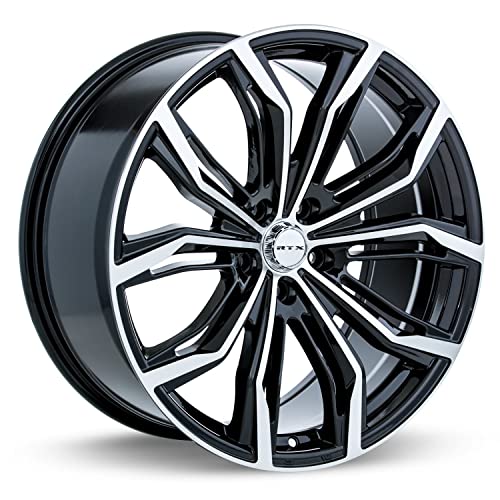
- 3. Aesthetic versatility remains a major draw, with manufacturing processes allowing for intricate designs that steel wheels cannot replicate.
- 4. Proper care is critical; failure to protect the alloy finish can lead to structural oxidation or cosmetic degradation over time.
Historical context or industry trends of advantages of alloy wheels
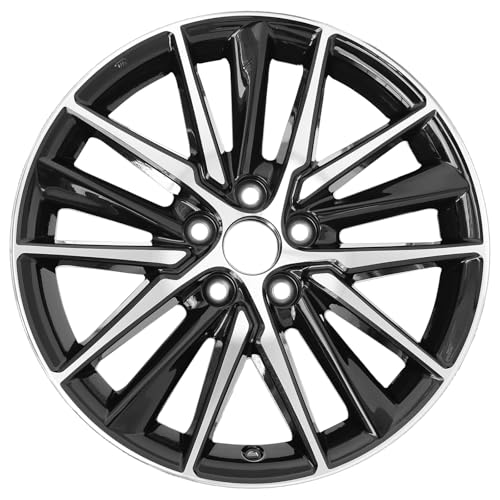
Historically, the shift from stamped steel to alloy wheels represented a significant evolution in automotive engineering. Early iterations were reserved for racing circuits, where the advantages of alloy wheels in reducing rotational inertia were immediately recognized by professional teams. During the mid-20th century, these wheels transitioned from bespoke racing components to premium add-ons for luxury sedans. The industry initially viewed them as aesthetic luxuries, but as manufacturing techniques like pressure casting became more accessible, the functional benefits began to outweigh the higher production costs, leading to widespread adoption in modern consumer vehicles.
In the current era, the trend has shifted toward advanced metallurgical blends and forging processes that increase strength while further reducing weight. Modern engineering now emphasizes the integration of these wheels into a vehicle’s overall performance ecosystem. The focus has moved from simple weight saving to active thermal management and aerodynamic profiling, ensuring that today's wheels contribute meaningfully to fuel efficiency and vehicle longevity. As materials science progresses, these components are no longer just optional accessories but core elements of a car’s dynamic performance framework.
Technical analysis of advantages of alloy wheels mechanisms
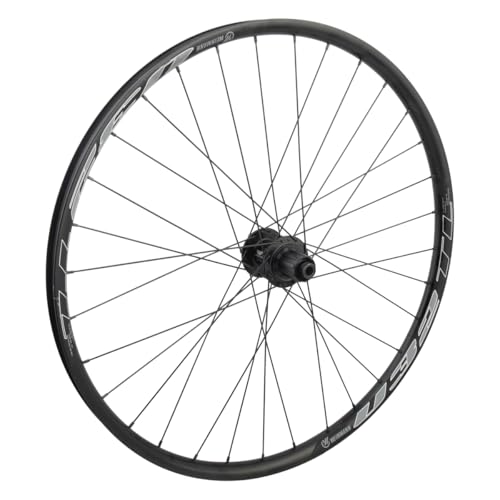
The core technical advantage stems from the lower mass of alloy wheels compared to steel alternatives. By decreasing unsprung mass—the weight not supported by the suspension—the vehicle's dampers and springs are able to respond more quickly to road irregularities. This creates a smoother ride and increased tire-to-ground contact. However, these benefits are maximized only when the wheels are correctly balanced and paired with high-quality tires. Neglecting the balance or using incompatible mounting hardware can negate these benefits, leading to premature tire wear or vibration-induced damage to the suspension system.
| Feature | Best Practice | Common Mistake |
|---|---|---|
| Timing of Application | Annual balance and alignment checks | Ignoring vibrations until visible damage occurs |
| Absorption/Absorption Method | Proper torque specifications for lug nuts | Over-tightening, which can warp or crack the hub |
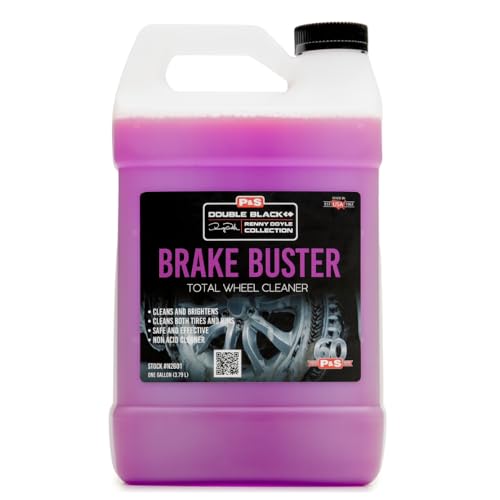
| Role in Routine | Regular cleaning to prevent brake dust buildup | Using harsh acidic cleaners that damage clear coats |
The comparison table above highlights that while alloy wheels provide superior performance, they are sensitive to improper maintenance. The "Best Practice" column emphasizes preventative measures, such as proper torque management and routine cleaning, which ensure the material remains structurally sound. In contrast, common mistakes, like overtightening or neglecting brake dust removal, can cause chemical pitting and physical stress concentrations. Following the correct installation procedures is essential for leveraging the inherent durability and performance gains that alloy wheels offer compared to traditional steel components.
Step 1: Workspace and Initial Preparation
Ensure your workspace is level and clean. Before installation, remove any corrosion or debris from the wheel hub surface. Starting with a perfectly clean mounting interface is vital, as any trapped particulate can cause the wheel to seat improperly, leading to vibration and potential loosening over time.
Step 2: Core Execution and Configuration
Install the wheels using a star-pattern tightening sequence. Use a calibrated torque wrench to ensure every lug nut is tightened to the vehicle manufacturer’s exact specifications. Avoid the use of impact drivers which can cause uneven pressure, potentially damaging the alloy seating surface during initial configuration.
Step 3: Final Calibration and Stabilization
Perform a test drive and then re-check the torque after the first 50 miles of driving. This final consolidation step ensures that the bolts have seated correctly under thermal expansion and load conditions, securing long-term durability and safety for your new alloy wheel setup.
Current landscape or user debate of advantages of alloy wheels

The current market for alloy wheels is dominated by a split between lightweight performance wheels for enthusiasts and stylish, durable options for daily commuters. Technology has enabled manufacturers to offer complex, multi-spoke designs that were previously impossible to produce at scale. Consumers are increasingly focusing on the intersection of weight, heat dissipation, and visual appeal, leading to a market where high-quality alloys are the standard choice for most modern vehicles.
- Design innovation is currently trending toward aerodynamic wheels that reduce wind drag, further enhancing fuel economy.
- Users consistently prioritize a balance between durability and weight, seeking wheels that can survive potholes while remaining agile.
- The accessibility of aftermarket alloy wheels has improved, with online retailers providing detailed fitment guides for almost every vehicle make.
- Sustainability is becoming a factor, as some manufacturers introduce recycled aluminum blends into the production process.
| User Segment | Preferred Configuration | Expected Outcome |
|---|---|---|
| Professional / Heavy Use | Forged lightweight alloys for track rigidity | Maximum performance and heat dissipation |
| Standard / Daily Use | Cast aluminum for cost-effective strength | Daily reliability and improved curb appeal |
A significant debate continues regarding the necessity of forged versus cast alloy wheels. While forged wheels are undeniably stronger and lighter due to the grain alignment of the metal, they come at a higher price point. Daily drivers often argue that for standard road use, the marginal performance gains of forged alloys are outweighed by the cost-effectiveness and accessibility of high-quality cast options. The consensus among experts is that usage intent should dictate the choice, with professional racing requiring the absolute limit of technology, while standard street use finds excellent value in mid-range cast alloy offerings.
Operational challenges and limitations of advantages of alloy wheels
While the advantages of alloy wheels are significant, they do face operational challenges. Their sensitivity to environmental factors, such as road salt and moisture, can lead to surface oxidation if the protective clear coat is damaged. Furthermore, because alloy is more brittle than steel, high-impact incidents like striking large potholes at speed can result in cracking or structural deformation rather than just bending. This makes regular inspections a necessary part of the maintenance cycle for any owner, as ignoring minor surface damage can eventually compromise the overall integrity of the wheel structure.
Future outlook and scenario projection for advantages of alloy wheels
Looking ahead, the next decade promises significant innovation in alloy wheel technology, particularly concerning material science and integrated sensory systems. As electric vehicle adoption continues to rise, the demand for wheels that are not only lightweight but also aerodynamically optimized will drive new design standards. We expect to see more "smart" wheels equipped with integrated monitoring sensors that provide real-time data on temperature, structural integrity, and tire pressure, allowing for proactive maintenance and enhanced safety. Additionally, the development of new, high-strength aluminum-lithium alloys may allow for even thinner spokes, further reducing rotational mass while maintaining the high safety standards required by modern automotive regulations.
| Timeline | Expected Breakthrough | Impact on User Experience |
|---|---|---|
| Next 2-3 Years | Aero-efficiency improvements in consumer designs | Enhanced fuel economy and reduced noise |
| Next 5-10 Years | Integrated health monitoring sensor systems | Automated notifications regarding wheel damage |
Practical applications of advantages of alloy wheels in daily routines
Incorporating alloy wheels into your vehicle requires adapting to specific needs rather than relying on one-size-fits-all hardware. For most users, the primary goal is to strike a balance between improved responsiveness and long-term durability. By following a systematic maintenance schedule, you ensure that the weight and thermal advantages of these wheels remain fully realized throughout their operational life.
Use Case 1: Individual and Residential Use
For the individual driver, alloy wheels offer a significant upgrade in vehicle handling during daily commutes. By opting for high-quality, finish-protected wheels, residents can enjoy both better aesthetics and a smoother ride. Standard maintenance includes regular cleaning to remove corrosive brake dust, ensuring the wheels maintain their value and performance for the duration of the vehicle's ownership.
Use Case 2: Professional and Commercial Use
In high-output commercial environments, performance and durability are paramount. Professionals often prioritize cast alloys that meet strict safety ratings while providing heat dissipation for heavy-load braking requirements. Batch maintenance and regular alignment checks are the cornerstones of successful commercial alloy wheel deployment, ensuring that vehicles remain productive with minimal downtime.
Use Case 3: Advanced Optimization Solutions
For those looking for maximum performance, pairing lightweight alloy wheels with low-rolling-resistance tires is an advanced optimization strategy. This combination reduces both rotational and unsprung mass, significantly enhancing throttle response and steering precision. Professionals suggest documenting your setup parameters to tailor the ride quality to your specific performance goals.
Expert perspectives on advantages of alloy wheels
Industry consensus is clear: the advantages of alloy wheels are maximized when they are integrated into a holistic approach to vehicle care. Experts caution that while these components are superior in performance, they are not immune to the laws of physics. Success depends on proper installation, regular monitoring, and a proactive approach to maintenance. By viewing your wheels as active participants in the driving experience, you can ensure they last for years.
Frequently Asked Questions
How do alloy wheels improve vehicle performance compared to steel wheels?
Alloy wheels are significantly lighter, which reduces unsprung weight to enhance acceleration, braking responsiveness, and overall handling.
Are alloy wheels more effective at cooling braking systems?
Alloy wheels have superior thermal conductivity and open-spoke designs that dissipate heat away from brake components faster than steel wheels, reducing fade.
How does the structural integrity of alloy wheels impact vehicle handling?
The high stiffness-to-weight ratio of alloys minimizes wheel flex during cornering, providing more precise steering feedback and tire contact patch stability.
What aesthetic advantages do alloy wheels offer over steel alternatives?
Alloys can be cast or forged into complex, intricate designs with various finishes that significantly enhance the vehicle's visual appeal and market value.
Does the lighter weight of alloy wheels affect suspension wear?
By reducing unsprung mass, alloy wheels exert less stress on suspension components like shocks and bushings, effectively extending their service life.
Are there specific performance benefits to using forged alloy wheels over cast versions?
Forged alloys offer the highest strength-to-weight ratio, providing maximum durability and performance gains for high-speed or track-focused applications.
What is the best way to get started with advantages of alloy wheels?
The most effective starting point is to begin with a foundational assessment of your needs, then follow the recommended daily protocol.
How long does it take to see results with advantages of alloy wheels?
Most users report noticeable improvement within the first 2–4 weeks of consistent daily application.