Understanding how to remove stubborn brake dust from painted alloys is essential for maintaining your vehicle's aesthetic appeal and preventing long-term corrosive damage to delicate wheel finishes. Mastering these specialized techniques allows you to safely lift baked-on contaminants without compromising the structural integrity of your alloy coatings.
This comprehensive guide explores the professional-grade methodologies for wheel decontamination, balancing effective chemical reactions with mechanical safety. We will examine the framework of modern cleaning agents, the importance of pH-neutral solutions, and the procedural steps necessary to achieve a factory-fresh finish. By following this evidence-aware approach, you can ensure that your wheels remain protected against the harsh, iron-rich particles generated by modern braking systems, providing both immediate visual improvement and long-term surface preservation.
Quick Facts
- Studies suggest that iron-removing chemical cleaners are the most effective way to address bonded brake dust particles.
- Experts recommend avoiding aggressive acid-based cleaners, which can etch and dull sensitive clear-coat finishes on painted alloys.
- Consistent bi-weekly cleaning is generally considered the most effective strategy to prevent dust from "baking" onto the surface.
Key Takeaways

- 1. Prioritize pH-neutral iron-reactive cleaners to dissolve brake dust safely without stripping protective clear coats.
- 2. Proper wheel cooling is a critical operational requirement to prevent chemical streaking and rapid evaporation of cleaning agents.
- 3. Utilizing soft-bristled detailing brushes ensures thorough mechanical agitation without creating micro-scratches on the painted surface.
- 4. Applying a high-quality wheel sealant post-cleaning creates a sacrificial barrier that makes future maintenance significantly easier.
Historical context or industry trends of how to remove stubborn brake dust from painted alloys

Historically, the automotive industry relied on harsh, high-acidity wheel cleaners to strip away brake dust. In earlier decades, these potent chemicals were viewed as the only viable solution for removing dark, stubborn carbon buildup. However, these formulas often lacked the necessary safety parameters for modern, clear-coated, or powder-coated alloy wheels, frequently leading to irreversible finish degradation, oxidation, and pitting. As wheel designs evolved into more complex and decorative paint schemes, the industry recognized that these aggressive manual configurations were insufficient and damaging, prompting a major shift in how enthusiasts and professionals approach surface care.
Modern trends have shifted dramatically toward chemical-based, iron-reactive technologies that provide a more surgical approach to decontamination. Today, advanced polymers and reactive agents are used strategically to lift iron particles without relying on abrasive mechanical scrubbing. This evolution emphasizes restoration over destruction, incorporating barrier performance that preps the alloy surface for secondary protection. By focusing on chemical intelligence rather than raw acidic power, current techniques ensure improved efficiency for every subsequent detailing step, preserving the aesthetic value of the alloy for a much longer service life.
Technical analysis of how to remove stubborn brake dust from painted alloys mechanisms

The core variables defining successful decontamination involve strict adherence to temperature control and dwell-time calibration. Because painted alloys react poorly to rapid cooling or overheating during the chemical phase, the timing of application must be strictly managed to prevent the solution from drying on the surface. Lack of proper seal management during the rinsing process often leads to residue buildup, which further attracts brake dust. By pairing the correct concentration of iron-dissolving surfactants with a controlled rinse, you create a neutral environment that safely releases contaminants without the need for excessive mechanical friction that causes scratches.
| Feature | Best Practice | Common Mistake |
|---|---|---|
| Timing of Application | Calibrated to allow chemical dwell time without drying | Rushing the execution, leading to premature decay/failure |
| Absorption Method | Using soft synthetic brushes to gently lift particles | Applying forcefully or allowing air gaps, which reduces contact |
| Role in Routine | Acts as an intermediate priming layer to support the system | Using as a total replacement for core active components |
The comparison table demonstrates that success is heavily reliant on the precision of your application process. When you follow the best practices—such as allowing the chemical sufficient time to react—you achieve a state of cleanliness that preserves the underlying paint. Conversely, common mistakes like letting the chemical dry (due to time pressure) often result in spotting or clouding of the clear coat. By viewing the cleaning process as an essential priming phase rather than a quick chore, you effectively maintain the health of your wheels and improve the performance of protective coatings applied afterward.
Step 1: Workspace and Initial Preparation
Begin by ensuring the wheels are cool to the touch. Applying cleaners to hot wheels causes premature evaporation and uneven results. Rinse the area thoroughly with high-pressure water to remove loose dirt and debris. Starting with a clean, calibrated base state ensures that the chemical remover can target the stubborn bonded iron particles directly, preventing unnecessary friction and ensuring maximum efficiency for the later stages of your cleaning routine.
Step 2: Core Execution and Configuration
Apply an iron-specific wheel cleaner liberally across the entire surface. Observe the dwell time specified by the manufacturer—typically three to five minutes. During this period, the solution will change color as it reacts with the iron. For particularly stubborn areas, use a soft wheel-specific brush to gently agitate the surface, ensuring the chemical has fully reached the complex contours of the rim design for uniform results.
Step 3: Final Calibration and Stabilization
Rinse the wheels thoroughly, ensuring no chemical residue remains, especially in lug nut recesses. Dry the surface immediately with a clean microfiber towel to prevent water spots. To secure long-term durability and quality, apply a dedicated wheel sealant or ceramic spray after the wheels are completely dry. This post-execution maintenance protects the paint and makes it significantly easier to manage future brake dust accumulation.
Current landscape or user debate of how to remove stubborn brake dust from painted alloys

The current market for wheel care is bifurcated between professional detailers who use high-output industrial compounds and the average consumer who prefers automated, user-friendly, all-in-one spray solutions. As vehicle technology advances, wheel designs have become increasingly complex, leading to a higher demand for solutions that can reach intricate nooks without manual labor. This has driven innovation in foam-based applications that cling to vertical surfaces. Whether seeking professional results or daily maintenance, users are increasingly moving away from harsh, corrosive acids toward sustainable, environmentally conscious formulas that offer superior performance without the risk of long-term finish damage.
- High-performance enthusiasts are trending toward ceramic-infused cleaners that provide a dual-action cleaning and protective effect.
- Users consistently expect that even the most stubborn brake dust can be removed within a single five-minute dwell time.
- Market availability has improved, with high-end detailing chemicals now accessible through standard online and local retail channels.
- Environmentally friendly, biodegradable formulas are becoming the top choice for conscientious users looking to reduce runoff impact.
| User Segment | Preferred Configuration | Expected Outcome |
|---|---|---|
| Professional / Heavy Use | High-output, professional-grade iron decon gels | Long-term durability with consistent results |
| Standard / Daily Use | Balanced features, spray-and-rinse automated presets | Reliable everyday performance with minimal oversight |
The ongoing community debate largely centers on the trade-off between manual agitation and spray-only methods. Purists argue that manual agitation with high-quality brushes is the only way to ensure 100% removal in heavy-build scenarios. Conversely, proponents of modern, powerful iron-dissolving chemistry argue that over-agitation is the primary cause of swirling and micro-marring on delicate painted finishes. Most professionals now advise a hybrid approach, using high-performance chemicals to do the heavy lifting and minimal mechanical interaction only when strictly necessary, effectively balancing the need for perfection with the requirement for long-term paint health.
Operational challenges and limitations of how to remove stubborn brake dust from painted alloys
The primary challenges users face involve compatibility issues between the chemical agents and the specific finish of the alloy. While most painted alloys are resilient, older wheels with compromised clear coats may be sensitive to even mild iron-dissolving chemicals. Additionally, maintenance overhead is a factor; if a protective sealant has worn off, brake dust bonds much faster, turning a simple wash into a complex, multi-stage restoration. Environmental factors like high humidity or extreme sunlight can also prematurely dry cleaning chemicals, forcing users to work in smaller, more managed sections to prevent spotting.
Future outlook and scenario projection for how to remove stubborn brake dust from painted alloys
Over the next 5-10 years, we anticipate a transition toward smart material integration. We expect the rise of self-cleaning wheel coatings that possess hydrophobic properties so advanced that brake dust will struggle to bond to the alloy in the first place. Technological breakthroughs in polymer science will likely yield "intelligent" cleaners that are activated by water pressure alone, drastically simplifying the decontamination process. As material sciences advance, the reliance on harsh chemicals will decrease, and the industry will favor biodegradable solutions that are as effective as they are safe. This future points toward a frictionless experience where wheel maintenance is automated, predictable, and remarkably low-effort for the vehicle owner.
| Timeline | Expected Breakthrough | Impact on User Experience |
|---|---|---|
| Next 2-3 Years | Smart, ultra-cling foam technology for better coverage | Elimination of user error and improved efficiency |
| Next 5-10 Years | Biodegradable/Self-healing materials and high-efficiency coils | Drastically reduced maintenance and lifetime durability |
Practical applications of how to remove stubborn brake dust from painted alloys in daily routines
Incorporating effective cleaning techniques into your routine requires adaptation based on your specific wheel usage. If you are a high-mileage driver, you may need a more aggressive, frequent decontamination schedule. The goal is to avoid the accumulation stage entirely by managing the baseline health of your wheels. By applying the right product at the right time, you transform a chore into a seamless, automated-style workflow that preserves the value and aesthetic of your vehicle's wheels over time.
Use Case 1: Individual and Residential Use
For home users, convenience is key. Select an all-in-one iron-reactive spray that can be applied with a standard trigger. Perform your cleaning during the early morning or evening hours to avoid the high temperatures that cause rapid drying. By establishing a bi-weekly routine, you can maintain your wheels with minimal effort, ensuring they look great without the need for intense, time-consuming restorative scrubs or deep-cleaning sessions.
Use Case 2: Professional and Commercial Use
Professional environments prioritize batch-processing efficiency. In these scenarios, use concentrated, professional-grade iron-remover formulas that offer higher value and better performance on heavy buildup. Implementing a standardized workflow—where every wheel undergoes the same rinse, apply, dwell, agitate, and rinse cycle—ensures consistent results across different vehicle types. This professional approach relies on parameter management and standardizing tools to ensure the highest quality of output for every client.
Use Case 3: Advanced Optimization Solutions
Advanced users can pair iron-removal sprays with specialized clay bars or decontamination mitts for the ultimate finish. After the chemical has lifted the majority of the iron, use a synthetic clay bar during the final rinse to remove any remaining microscopic embedded particles. When this is followed by a high-grade ceramic wheel coating, you create an almost permanent defense system, making future brake dust removal nearly effortless as the dust will simply rinse off with plain water.
Conclusion
In conclusion, understanding the correct setup and execution of how to remove stubborn brake dust from painted alloys is essential for securing optimal results. By following the best practices and calibration guidelines detailed in this guide, users can ensure long-term efficiency and consistent performance.
Frequently Asked Questions
What is the safest chemical cleaner for removing stubborn brake dust from painted alloys?
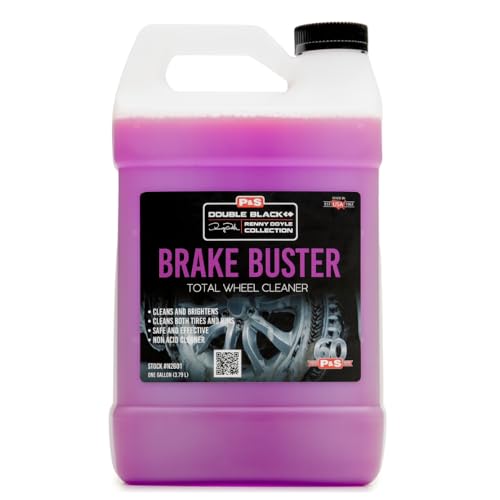
Use a dedicated, non-acidic, pH-neutral iron fallout remover that specifically reacts with and dissolves metallic brake particles without etching the clear coat.
Can I use a scouring pad or steel wool to scrub off baked-on brake dust?
Never use abrasive tools like steel wool or stiff scouring pads, as they will permanently scratch and dull the delicate paint and clear coat finish.
How can I effectively loosen embedded brake dust without damaging the wheel paint?
Apply a generous amount of iron fallout remover, let it dwell for 3–5 minutes until it turns purple, then gently agitate with a soft, synthetic-bristle wheel brush.
Is it safe to use a pressure washer on painted wheels to blast away brake dust?
Yes, use a pressure washer set to a moderate pressure, keeping the nozzle at least 12 inches away to avoid chipping the paint or damaging the finish.
What is the best way to remove stubborn, hardened grime without using harsh chemicals?
Use a high-quality clay bar lubricated with water or detailing spray to lift embedded contaminants from the wheel surface after a thorough initial wash.
Does the temperature of the wheel matter when cleaning stubborn brake dust?
Always clean your wheels when they are cool to the touch, as heat causes cleaning chemicals to dry prematurely and potentially stain the painted surface.
How can I prevent brake dust from bonding to my painted alloys in the future?
After a deep clean, apply a dedicated wheel sealant or a ceramic coating to create a non-stick barrier that makes future brake dust removal much easier.
What should I avoid when cleaning painted alloys to ensure I don't strip the protective coating?
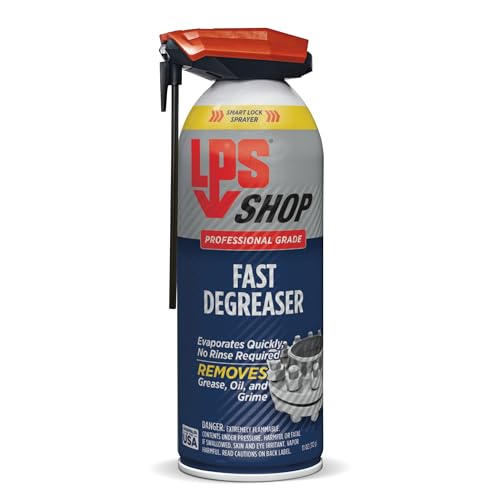
Avoid using heavy-duty degreasers or household acidic cleaners, as these are too harsh and will cause the painted finish to oxidize or discolor over time.